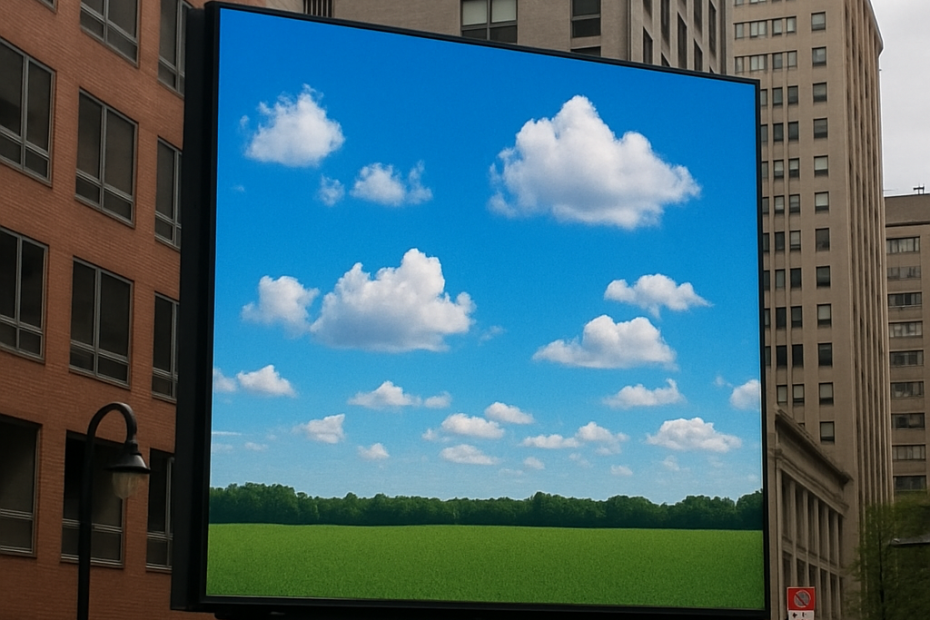
The deployment of LED video wall panels outdoors necessitates a nuanced understanding of both technical specifications and environmental considerations. This article serves as a comprehensive guide to the meticulous process involved in installing these sophisticated digital signage solutions. By adhering to these installation tips, you will ensure optimal performance and longevity of your video wall displays.
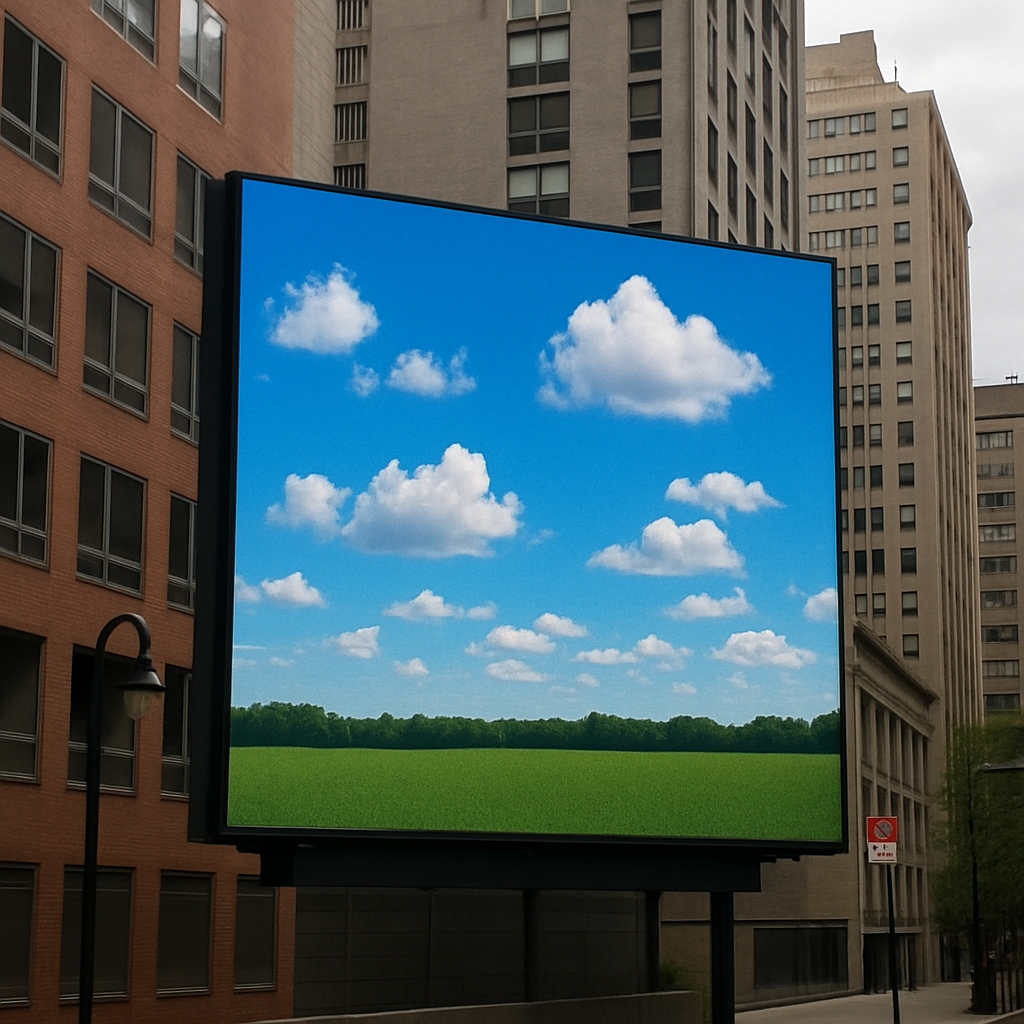
Prior to the installation of outdoor LED video wall panels, a thorough assessment of the environmental conditions is paramount. The selection of appropriate technology hinges on the understanding of variables such as ambient light levels, weather conditions, and the structural integrity of the installation site. These factors are crucial in determining the specifications required for your digital signage solutions.
Ambient Light Considerations
Ambient light plays a significant role in the visibility and effectiveness of outdoor video wall displays. The luminance of the LED panels must be sufficient to counteract the brightness of the natural light, particularly in sunlit environments. High-brightness LED panels, typically exceeding 5,000 nits, are recommended to ensure visibility without compromising image quality.
Weather Resistance and Durability
Outdoor installations are inherently subject to the vicissitudes of weather, necessitating robust design and construction. The ingress protection (IP) rating is a critical factor, indicating the level of protection against dust and water. For outdoor LED walls, an IP65 rating or higher is advisable, offering full protection against dust ingress and low-pressure water jets from any direction.
Structural Integrity and Mounting Solutions
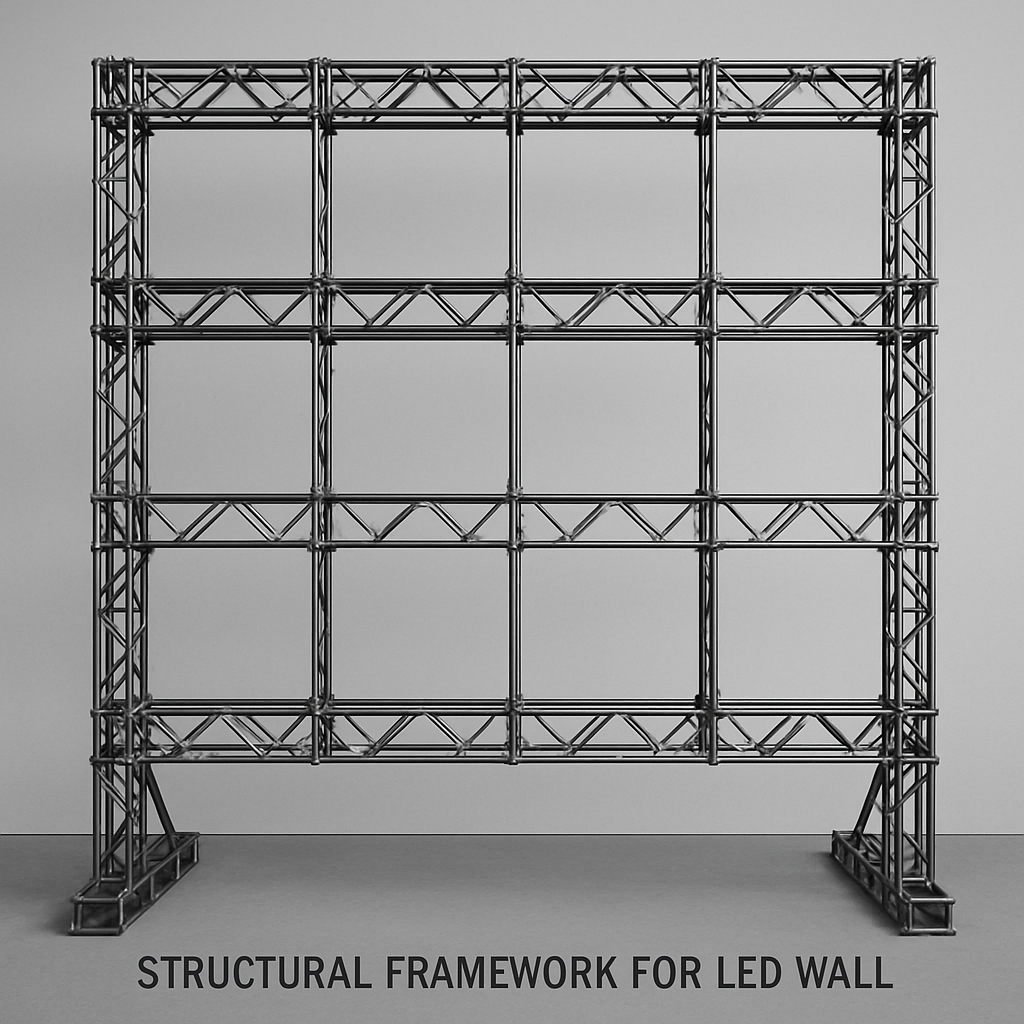
The structural support system for outdoor LED walls must be engineered to withstand both the weight of the panels and the environmental stresses they will encounter. This involves the selection of appropriate mounting solutions and the consideration of wind loads, seismic activity, and thermal expansion.
Mounting Systems
The mounting system is integral to the stability and alignment of the video wall displays. Fixed mounts provide a cost-effective solution for static installations, whereas adjustable mounts offer flexibility for maintenance and alignment adjustments. It is imperative that the chosen mounting system accommodates the specific dimensions and weight of the LED panels.
Wind Load and Seismic Considerations
Engineering assessments must account for wind load, particularly in regions prone to gusty conditions or hurricanes. The mounting infrastructure should be designed to resist lateral forces without compromising the integrity of the installation. Similarly, in seismically active areas, the design must include provisions for seismic bracing to mitigate the risk of structural failure during an earthquake.
Power and Signal Management
The complexity of power and signal management in outdoor LED wall installations cannot be overstated. Efficient power distribution and signal integrity are essential for the seamless operation of digital signage solutions.
Power Distribution
A well-engineered power distribution system is crucial for the reliable operation of LED video wall panels. This involves the specification of power supplies that can handle the total electrical load, with redundancy built in to safeguard against power failures. Additionally, power factor correction should be considered to enhance energy efficiency and reduce the load on the electrical infrastructure.
Signal Integrity
Signal transmission over long distances can introduce latency and degradation, affecting the quality of the display. To mitigate these issues, it is advisable to utilize fiber optic cables for signal transmission, which offer superior bandwidth and immunity to electromagnetic interference. Signal repeaters and distribution amplifiers may also be necessary to maintain signal strength and clarity across extensive installations.
Maintenance and Accessibility

by GN Group (https://unsplash.com/@gnhearingglobal)
The long-term success of outdoor LED walls is contingent upon regular maintenance and easy accessibility for repairs and upgrades. Proactive maintenance strategies can prevent unexpected failures and extend the lifespan of the installation.
Routine Maintenance
Routine maintenance should include regular cleaning of the panels to remove dirt and debris that could impair visibility. Additionally, periodic inspections of electrical connections, mounting hardware, and weather seals are essential to identify potential issues before they escalate.
Accessibility for Repairs
Designing with accessibility in mind ensures that maintenance personnel can easily access the LED panels and associated hardware for repairs. This may involve the incorporation of catwalks, ladders, or lift systems, particularly for installations at significant heights.
Conclusion
The installation of outdoor LED video wall panels is a complex endeavor that requires careful consideration of environmental, structural, and technical factors. By following these installation tips, you will ensure that your digital signage solutions deliver outstanding performance and reliability. A meticulous approach to planning, combined with the use of high-quality materials and components, will result in video wall displays that captivate and engage audiences for years to come.