
Imagine walking into your reception to find a slow-motion waterfall cascading behind the head table, or a crisp, cinematic replay of your morning vows lighting up the room. A wedding led wall isn’t just a piece of technology; it is a living element of your decor that transforms a static venue into a dynamic experience. This modern approach treats the screen as digital wallpaper, allowing you to change the entire mood of the event at the touch of a button.
Standard projectors often wash out the moment the house lights come up, leaving your childhood slideshow looking grainy and faded. This occurs because projectors rely on throwing a beam of light across a room, which is easily overpowered by venue chandeliers or sunlight. By contrast, an LED wall works much like a massive, high-definition television in your living room, emitting its own powerful brightness that remains vibrant and saturated even in a sunlit ballroom.
This technical difference dramatically affects your photography and floor plan. When weighing an LED video wall vs projector for wedding reception setup, the LED option completely eliminates the risk of couples casting shadows on the screen during the first dance. Because the light comes directly from the panels rather than a device sitting in the middle of the floor, your photographer can capture every moment without worrying about blocking a projection beam.
Viewing your backdrop as a flexible canvas opens up endless possibilities for creative visual content for ballroom displays. Whether you visualize a romantic starry night sky during dinner or high-energy motion graphics for the after-party, these displays ensure your wedding photos remain sharp, colorful, and free of technical glitches.
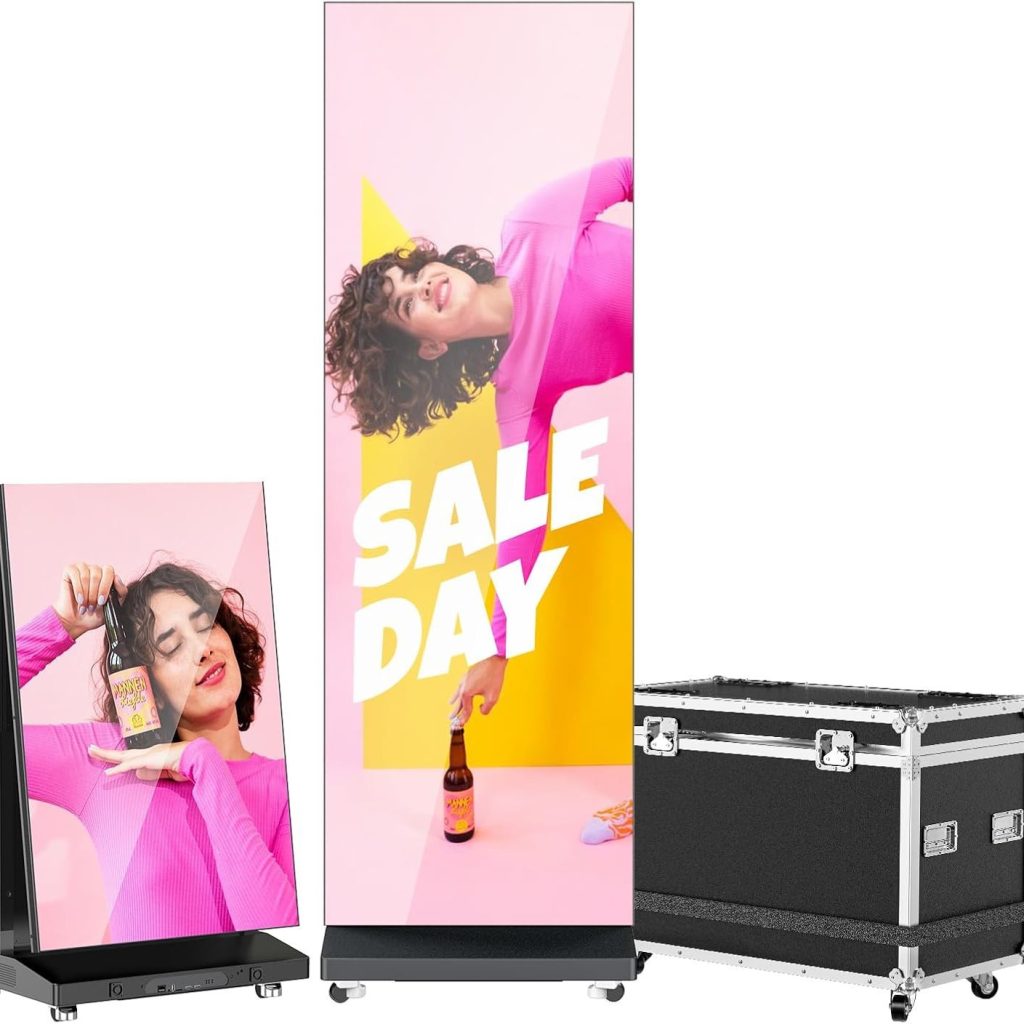
Catalogue:
- The Lego Brick Secret
- The Screen Door Effect
- Beyond the Slideshow
- Conquering the Sun
- Stepping Into the Future
- Technical Logistics
- Budgeting for Brilliance
- Your Digital Decor Checklist
The Lego Brick Secret: How Modular Panels Fit Any Wedding Venue
Unlike the fixed television screens in your living room, a wedding led wall isn’t delivered as one gigantic, fragile sheet of glass. Instead, think of the technology like a high-tech set of Lego bricks. The display is composed of dozens of smaller squares, called panels, that lock together to create a single image. This unique design allows your AV team to build a screen that perfectly fits the architecture of your reception space, whether you need a long, low banner behind the head table or a towering backdrop for the dance floor.
Logistical nightmares often plague historic venues or ballrooms with narrow service entrances, but this modular nature solves the problem before it starts. Because the wall travels in manageable road cases rather than a massive crate, vendors can easily transport a theater-sized display through standard doors or small passenger elevators. Once the crew snaps the pieces together, the lines between the panels disappear completely, creating a seamless modular panel configuration for venues that acts as one continuous digital canvas. You get the visual impact of a cinema screen without needing a loading dock the size of a stadium.
Flexibility also means you never have to pay for a setup that feels overwhelming or, conversely, too small for the room. A trusted vendor will guide you in choosing screen dimensions based on guest count to ensure everyone from the parents in the front row to the friends in the back has a clear view. While size is important for visibility, the clarity of those images depends on pixel pitch. Just as you wouldn’t want a grainy photo in your wedding album, you need to ensure the screen looks sharp even when your photographer gets close
The Screen Door Effect: Choosing the Right Pixel Pitch for Your Wedding Photos
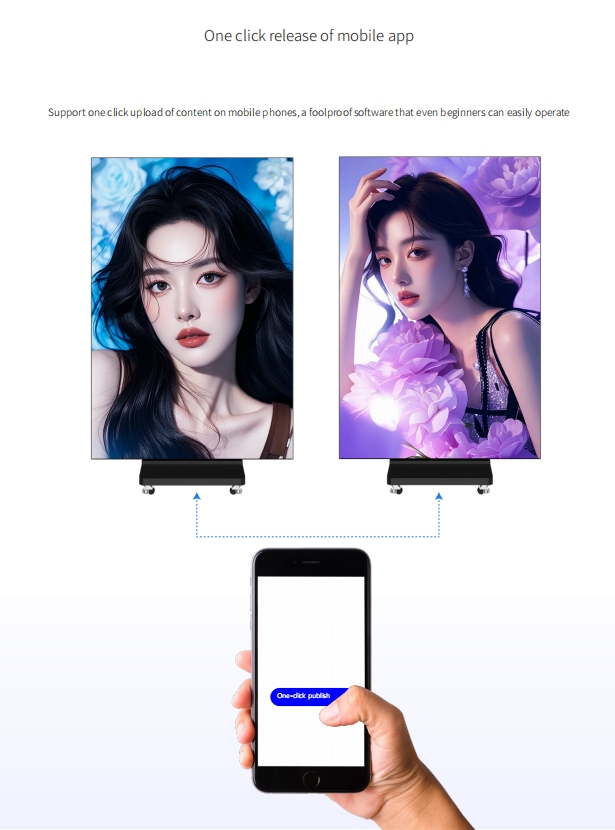
Imagine zooming in on a digital photo until it becomes a blocky grid of colored squares. A wedding led wall operates on a similar principle, creating vibrant images using thousands of tiny light diodes. If you stand too close to a screen with low resolution, you encounter the “screen door effect”—where the black gaps between the lights become visible, making the image look like a mesh grid rather than a solid picture. This grid is determined by “pixel pitch,” the industry term for the physical distance (measured in millimeters) between each light dot.
Choosing the right pitch is entirely about balancing visual clarity with your venue layout. While naturally comparing high-resolution event panels and monitors might seem logical, remember that LED walls are designed to be viewed from a distance, not from a desktop chair. Vendors classify these screens with a “P-rating,” such as P2.6 or P3.9. The lower the number, the closer the dots are to each other, resulting in a crisper image that looks smooth even in background selfies taken near the head table.
To find the optimal pixel pitch for indoor event displays, you simply need to know where your closest guest (or photographer) will be standing. A simple rule of thumb helps ensure your backdrop looks like a seamless canvas rather than a grid of lights:
- P2.5 / P2.6 (High Definition): Best for viewing from 8+ feet away. Ideal for backdrops directly behind the sweetheart table.
- P3.9 (Standard): Best for viewing from 12+ feet away. Perfect for dance floor backdrops or stages behind a band.
- P5+ (Lower Resolution): Best for viewing from 20+ feet away. Suitable for high-up displays or large ambient decor.
Selecting a finer pitch than necessary can inflate your budget without adding noticeable value, especially if the wall is placed at the back of a large stage. Once you have matched the screen sharpness to your floor plan, the hardware effectively disappears, leaving you with a blank digital canvas ready for creativity.
Beyond the Slideshow: Creative Content for a Digital Stage Backdrop
While a montage of childhood photos is a sentimental classic, a modern LED wall offers so much more than a giant digital picture frame. Think of your screen as a living piece of decor that evolves alongside the mood of your evening. Current digital stage backdrop design trends favor “ambient textures”—subtle, moving loops like a gently flickering candlelight effect during dinner or a sparkling cityscape during the first dance. These high-definition visuals transform a standard ballroom into an immersive environment, effectively changing the “wallpaper” of the room at the touch of a button without the need for expensive physical set construction.
Guest participation can also be elevated by turning individual smartphones into part of the show. Learning how to display live social media feeds on screens allows your friends and family to tag a unique wedding hashtag and see their candid shots appear on the wall in real-time. This acts as a digital guestbook that updates instantly, though we highly recommend using a moderation tool (a “digital gatekeeper”) to ensure every photo displayed is flattering and appropriate.
Consider planning content for these five distinct moments to maximize the value of your rental:
- Cinematic Scenic Loops: Transport guests to a forest, beach, or skyline during dinner.
- Animated Monograms: A golden, spinning logo displayed above the head table.
- Live Social Feeds: Aggregating guest photos via hashtags for an interactive party.
- Real-Time Toasts: Projecting the Best Man’s face so back-row guests see every emotion.
- Digital Seating Charts: A grand, easy-to-read display during cocktail hour.
Beyond aesthetics, these screens solve practical visibility issues in complicated venues. If your reception hall has structural pillars or an L-shaped layout, live streaming ceremony video to overflow areas ensures that guests tucked around the corner don’t miss the “I do” moment. By using the wall as a live relay monitor, you guarantee every guest feels like they have the best seat in the house, regardless of where their table is located. Of course, perfect visibility relies on fighting ambient light, which brings us to the unique challenge of hosting events outdoors.
Conquering the Sun: Why High-Brightness Is Essential for Outdoor Weddings
Everyone knows the frustration of trying to read a smartphone screen on a sunny beach; the display turns dark and becomes impossible to see. This same optical battle happens at garden weddings, where solving outdoor screen visibility in direct sunlight is critical for ensuring your guests can actually see the montage you spent hours curating. The solution lies in a unit of measurement called “Nits,” which indicates brightness intensity. While a standard indoor TV outputs roughly 500 nits, specialized outdoor panels pump out over 4,000 nits, allowing the image to punch through the glare and remain vibrant even at high noon.
Brightness isn’t the only factor to consider, as the hardware itself must be built to survive the elements. The benefits of using high-brightness displays for daytime events are quickly negated if a sudden drizzle shorts out the electronics, so you must confirm your vendor is supplying true “outdoor-rated” panels (often labeled as IP65 water-resistant). Indoor panels are generally cheaper and dimmer, and some budget vendors might attempt to use them outside under a tent to cut costs. Always ask explicitly if the wedding LED wall is rated for outdoor use, as these ruggedized panels are designed to resist humidity, dust, and the heat generated by running at such high intensity.
Investing in the correct screen type guarantees that your visual decor looks as intentional in real life as it does on your Pinterest board. Instead of a washed-out, grey rectangle behind your sweetheart table, you get a crisp, luminous backdrop that enhances your photos rather than ruining them. Once you have secured a display that can handle the sun from above, you can start looking downward to explore the immersive possibilities of the dance floor itself.
Stepping Into the Future: Using Interactive LED Dance Floors
Imagine your first dance isn’t just on a polished wood surface, but atop a ripple of light that follows your every step. While a vertical led screen for wedding backdrops creates a cinematic view, extending that technology to the ground transforms the venue into a fully reactive environment. These specialized tiles are built to withstand the weight of a crowd while displaying high-definition visuals that look like water, starry skies, or rose petals, effectively turning the floor into a living canvas.
Modern interactive dance floor technology for weddings goes beyond simple blinking lights by using pressure sensors or motion tracking to respond to movement in real-time. As you and your partner move across the floor, digital trails of light can swirl around your feet, making the moment feel magical rather than just mechanical. This interactivity serves as an incredible icebreaker, encouraging guests to step onto the floor just to play with the reactive visuals, ensuring the energy remains high throughout the reception.
True immersion happens when you synchronize the ground effects with your main display, integrating ambient lighting with digital screens for a seamless look. You might program a waterfall on the main wall that appears to flow down and pool onto the dance floor, creating a cohesive visual narrative rather than disjointed effects. Now that you have envisioned the perfect visual setup, the next step is ensuring your venue can actually support the power and space these systems require.
Technical Logistics: What to Ask Your Venue and Vendor
A high-definition wedding led wall draws significantly more energy than a standard DJ setup. Most large screens require “three-phase power,” which is a consistent, industrial-strength electricity supply found in commercial venues rather than the standard outlets you use at home. Confirming this capability early prevents the nightmare scenario of blowing a fuse right before your grand entrance, ensuring your visuals stay crisp and bright all night.
Beyond electricity, the physical footprint of the equipment dictates where your display can actually live. Since LED panels are modular rigid blocks, they need a perfectly flat surface and roughly three to five feet of clearance behind them for support structures and technician access. A professional vendor will conduct a technical site survey to measure these technical requirements for wedding venue screen setup, spotting potential issues like low-hanging chandeliers or uneven flooring that could destabilize the wall.
To ensure a smooth installation, bring this specific checklist to your next venue walkthrough:
- Power Capacity: Does the ballroom have dedicated three-phase power or a “shore power” tie-in?
- Ceiling Height: Is there enough vertical clearance for the screen height plus the support rigging?
- Floor Levelness: Is the stage area level, or will the crew need to adjust for a slope?
- Load-In Access: Can the large equipment cases fit through the freight elevator or service doors?
Hiring a team that handles these logistics is often what differentiates standard LED screen rental pricing for receptions from premium full-service packages. You are paying for the peace of mind that comes with an on-site technician who monitors the system, manages the power flow, and troubleshoots instantly. These hidden value drivers help clarify why quotes vary, preparing you to navigate the financial side of your vision.
Budgeting for Brilliance: Navigating Rental Pricing and Value
When reviewing quotes for a wedding led wall, it is tempting to focus solely on the screen’s physical dimensions. However, the biggest cost driver is usually clarity, not just width. A high-definition screen with a tight “pixel pitch”—the density of the light dots—will command a premium because it ensures your photos look crisp rather than grainy, even when guests stand nearby. Investing in a slightly smaller, sharper display often delivers a better “wow factor” and superior photo backdrops than a massive, low-resolution wall that looks pixelated in your album.
Beyond the technology itself, labor and logistics play a surprisingly large role in LED screen rental pricing for receptions. Because these walls are built from modular panels that snap together like digital building blocks, they require a skilled crew to assemble, calibrate, and tear them down safely. If your venue is hundreds of miles from the vendor’s warehouse, trucking fees and crew travel accommodations can also inflate the budget significantly, regardless of the screen size you choose.
You can maximize value by making strategic choices that simplify the setup process for your vendor. To keep your led screen for wedding costs manageable while maintaining that cinematic look, consider these adjustments:
- Stick to Standard Ratios: Request a standard 16:9 widescreen shape so you don’t need expensive custom processing gear or specialized content creation.
- Go Local: Hire a vendor near your venue to minimize shipping costs and travel fees for the technical crew.
- Utilize House Power: If the venue has built-in three-phase power, you can often skip the rental cost of an industrial generator.
Your Digital Decor Checklist: Final Steps to an Unforgettable Display
Transforming your reception from a standard dinner to an immersive experience is no longer a mystery reserved for concert promoters. You have moved past the fear of complex equipment and now understand how a wedding led wall acts as dynamic digital wallpaper, capable of changing the mood the instant your first dance begins. You have the vocabulary to ask vendors the right questions, ensuring your backdrop is as reliable as it is beautiful.
To guarantee flawless execution, start by scheduling a content test 48 hours before the event to catch formatting errors while verifying the technical requirements for wedding venue screen setup. Coordination is key, so connect your photographer with the AV team to balance screen brightness for cameras, and lock in your schedule of creative visual content for ballroom displays with your DJ to ensure every cue hits on the beat.
By treating your visual setup with the same care as your floral arrangements, you ensure the technology enhances the romance rather than distracting from it. Your guests will remember the atmosphere long after the music stops, and you will walk away with high-definition photos that look just as vibrant as the moment they were taken.
Contact us for your Wedding LED Wall Displays, Ada: +86 137 2375 4264