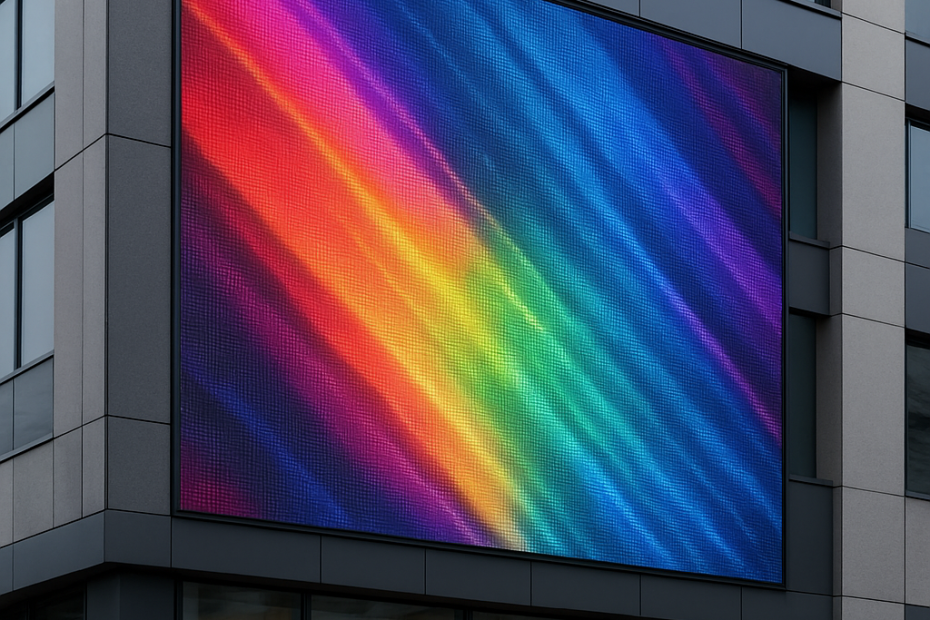
The world of digital art and architecture is evolving, and at the forefront of this transformation are pixel LED screens. These screens, with their vibrant colors and flexibility, are becoming the new canvas for creative professionals. In this article, we will explore why pixel LED screens are capturing the attention of digital artists and architects and how they are revolutionizing artistic expression and architectural design.
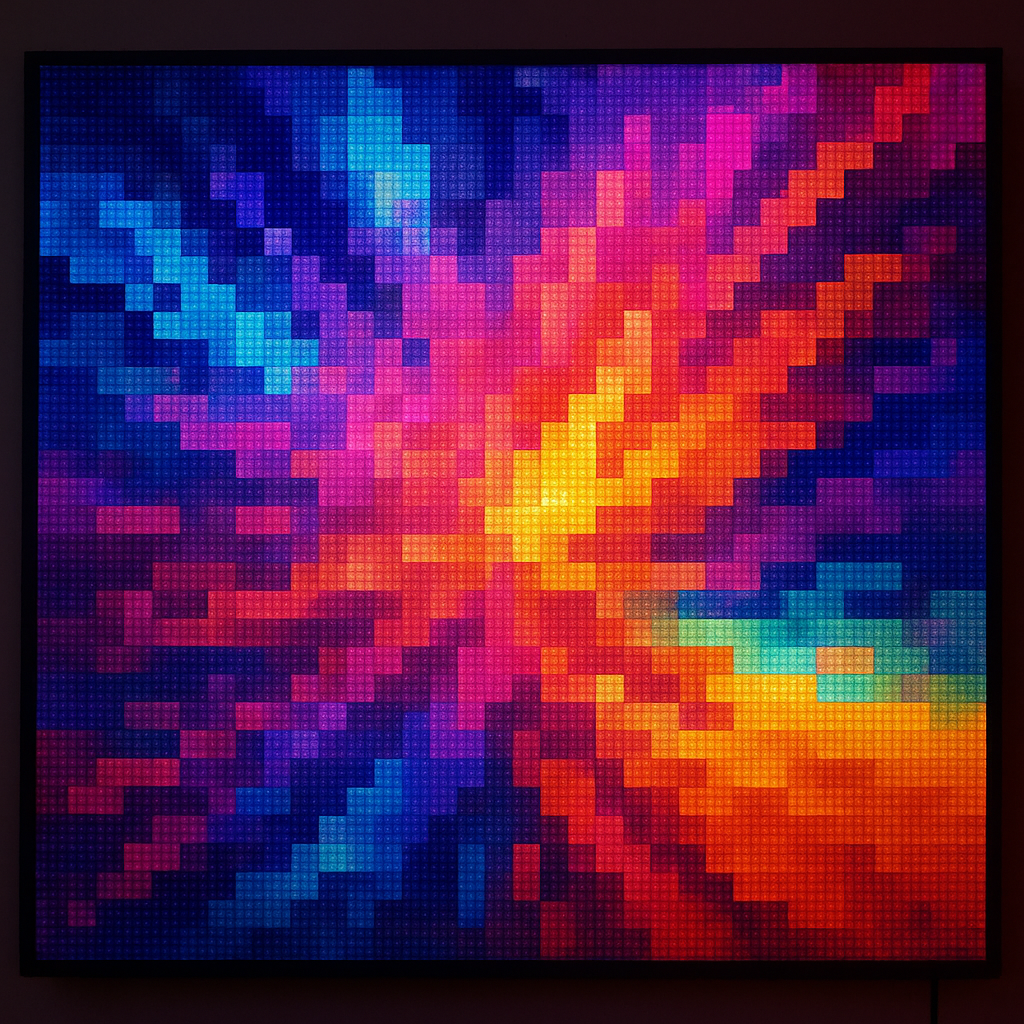
Pixel LED screens, also known as programmable pixel displays, are composed of numerous tiny LED lights that can be programmed to display a wide range of colors and patterns. This flexibility makes them ideal for creating stunning visual displays, from art installations to architectural features. As technology advances, these screens are becoming more accessible and versatile, offering artists and architects new opportunities to push the boundaries of their work.
Why Artists Love Pixel LED Screens
Digital artists are always looking for new ways to express their creativity, and pixel LED screens offer an exciting medium. Unlike traditional canvases, these screens can display dynamic, moving images, allowing artists to create immersive experiences. They can also be customized to fit different spaces and purposes, making them perfect for both small installations and large-scale projects.
Artists are also drawn to the vivid colors and high resolution of pixel LED screens. The ability to display a wide color gamut and intricate details makes them an ideal choice for creating eye-catching art pieces. Whether used in galleries, public spaces, or private commissions, pixel LED screens offer a unique way to engage audiences and bring art to life.
Architectural Applications of Pixel LED Screens
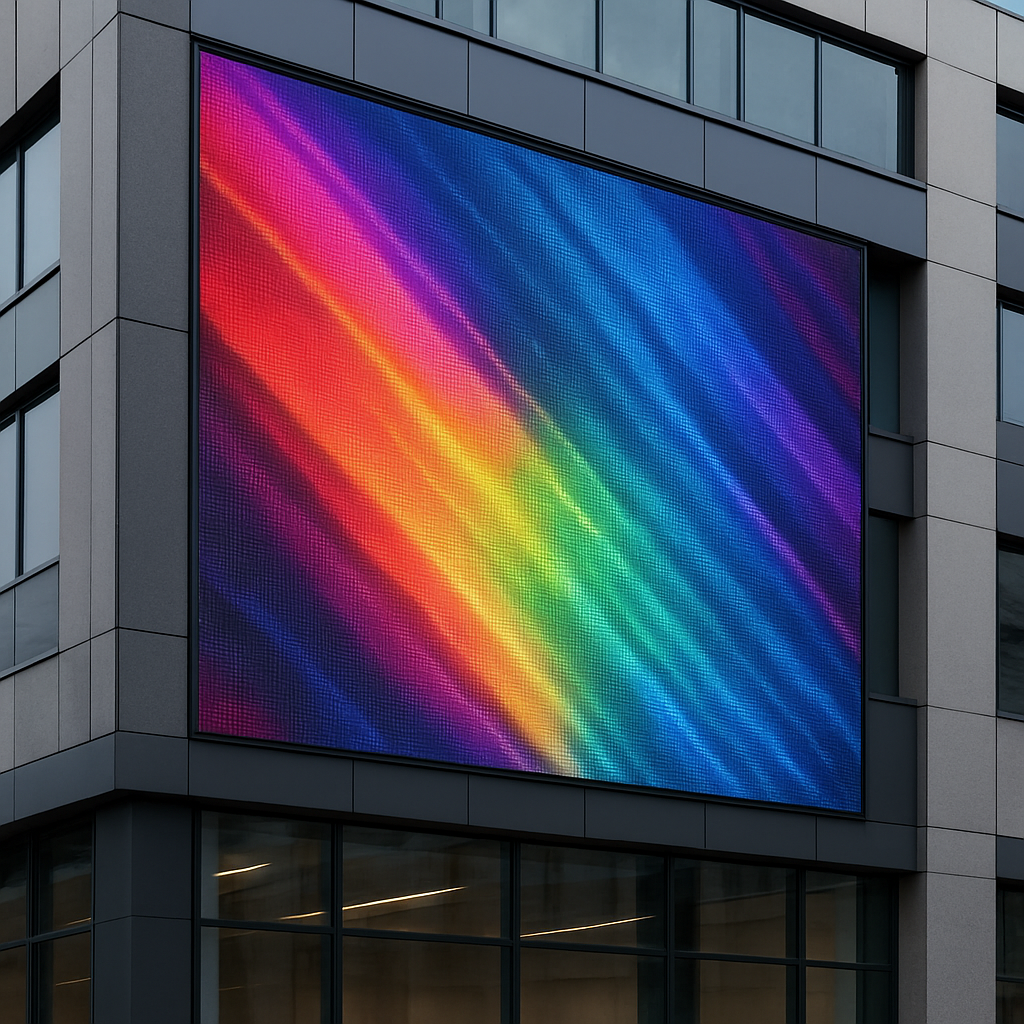
In architecture, pixel LED screens are being used to transform building facades and interiors. These architectural LED displays can be integrated into the design of a building, creating a seamless blend of art and architecture. From dynamic lighting effects to interactive installations, architects are using these screens to enhance the aesthetic appeal and functionality of their projects.
The flexibility of custom pixel LED panels means they can be tailored to fit any architectural vision. Whether it’s a curved facade or a complex geometric design, pixel LED screens can be adapted to suit the specific needs of a project. This adaptability is one of the reasons why architects are increasingly incorporating them into their designs.
The Technology Behind Pixel LED Screens
How Pixel LED Screens Work
Pixel LED screens are composed of thousands of tiny LED lights, each capable of displaying a wide range of colors. These lights are arranged in a grid pattern, with each individual light known as a pixel. The more pixels a screen has, the higher its resolution and the more detailed the images it can display.
The screens are controlled by a computer, which sends signals to each pixel to determine its color and brightness. This allows for precise control over the display, enabling artists and architects to create intricate patterns and designs. The result is a dynamic and versatile medium that can be used for everything from static images to moving visuals.
Benefits of Pixel LED Screens
There are several benefits to using pixel LED screens in art and architecture. First, they offer unmatched flexibility. These screens can be customized to fit any space, whether it’s a small gallery or a large building facade. They can also display a wide range of content, from static images to animated videos.
Second, pixel LED screens are energy-efficient. LED lights use less energy than traditional lighting, making them an environmentally friendly choice. This is especially important for large installations, where energy consumption can be a significant concern.
Finally, pixel LED screens are durable and long-lasting. They are designed to withstand the elements, making them suitable for both indoor and outdoor use. This durability ensures that installations remain vibrant and engaging for years to come.
Real-World Examples of Pixel LED Art and Architecture
Iconic Art Installations

Pixel LED screens have been used in numerous high-profile art installations around the world. One notable example is the “Light Canvas” installation at the Marina Bay Sands in Singapore. This interactive piece uses a flexible pixel LED screen to allow visitors to create their own light art, which is then displayed on a large screen for all to see.
Another example is the “Digital Water Pavilion” in Zaragoza, Spain. This installation uses a series of pixel LED screens to create a dynamic water-like effect, which changes in response to the movement of people nearby. The result is a stunning and immersive experience that captivates audiences.
Architectural Innovations
In architecture, pixel LED screens are being used to create innovative and eye-catching designs. The “Media-TIC” building in Barcelona, Spain, features an architectural LED display that covers its facade. This display is programmed to show different patterns and colors, transforming the building into a living piece of art.
Similarly, the “Al Bahar Towers” in Abu Dhabi, UAE, use pixel LED screens to create a dynamic facade that responds to the sun’s position. This not only enhances the building’s aesthetic appeal but also helps to regulate its temperature, demonstrating the practical benefits of integrating pixel LED technology into architecture.
The Future of Pixel LED Screens in Art and Architecture
As technology continues to advance, the possibilities for pixel LED screens are virtually limitless. Artists and architects are constantly finding new ways to use these screens to create engaging and interactive experiences. From large pixel displays to LED walls for art installations, the future of pixel LED screens is bright.
In conclusion, pixel LED screens are revolutionizing the way digital artists and architects approach their work. With their vibrant colors, flexibility, and dynamic capabilities, these screens offer a new canvas for creativity and innovation. Whether you’re an artist looking to create immersive installations or an architect seeking to enhance your designs, pixel LED screens provide a powerful tool for bringing your vision to life.