
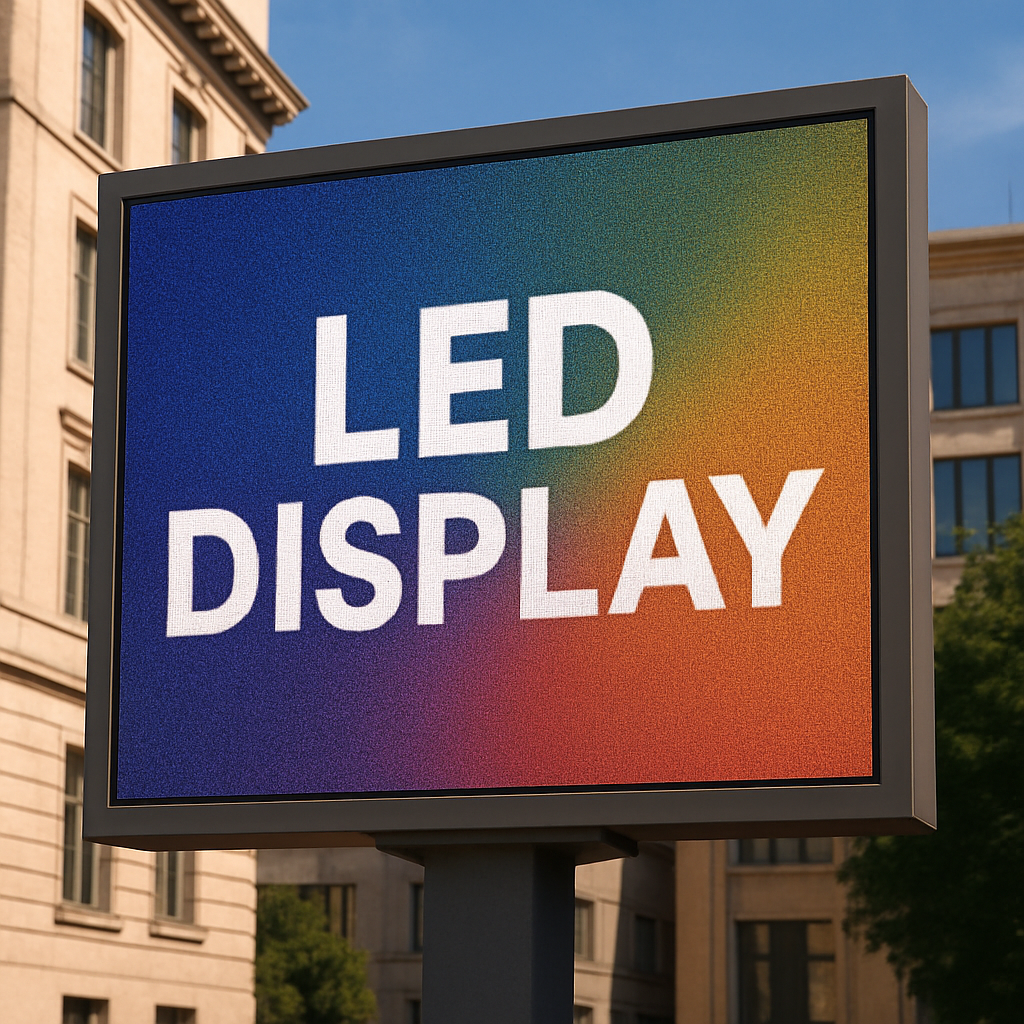
Outdoor advertising has come a long way, evolving from static billboards to dynamic and eye-catching LED display screens. These digital marvels have transformed the advertising landscape, allowing businesses to captivate audiences with vibrant visuals and engaging content. However, one crucial challenge remains: ensuring visibility in harsh sunlight. In this article, we’ll explore what makes an outdoor advertising LED display screen truly visible in bright conditions and how you can maximize the impact of your advertising efforts.
As businesses increasingly turn to digital solutions for their advertising needs, the demand for high-quality LED displays has surged. The technology behind these screens continues to advance, offering new possibilities for creative content and interactive experiences. Yet, the fundamental objective remains the same: to deliver compelling messages that resonate with audiences, regardless of environmental conditions. Understanding how to achieve optimal visibility in sunlight is key to maximizing your return on investment in outdoor advertising.
Understanding the Importance of Visibility
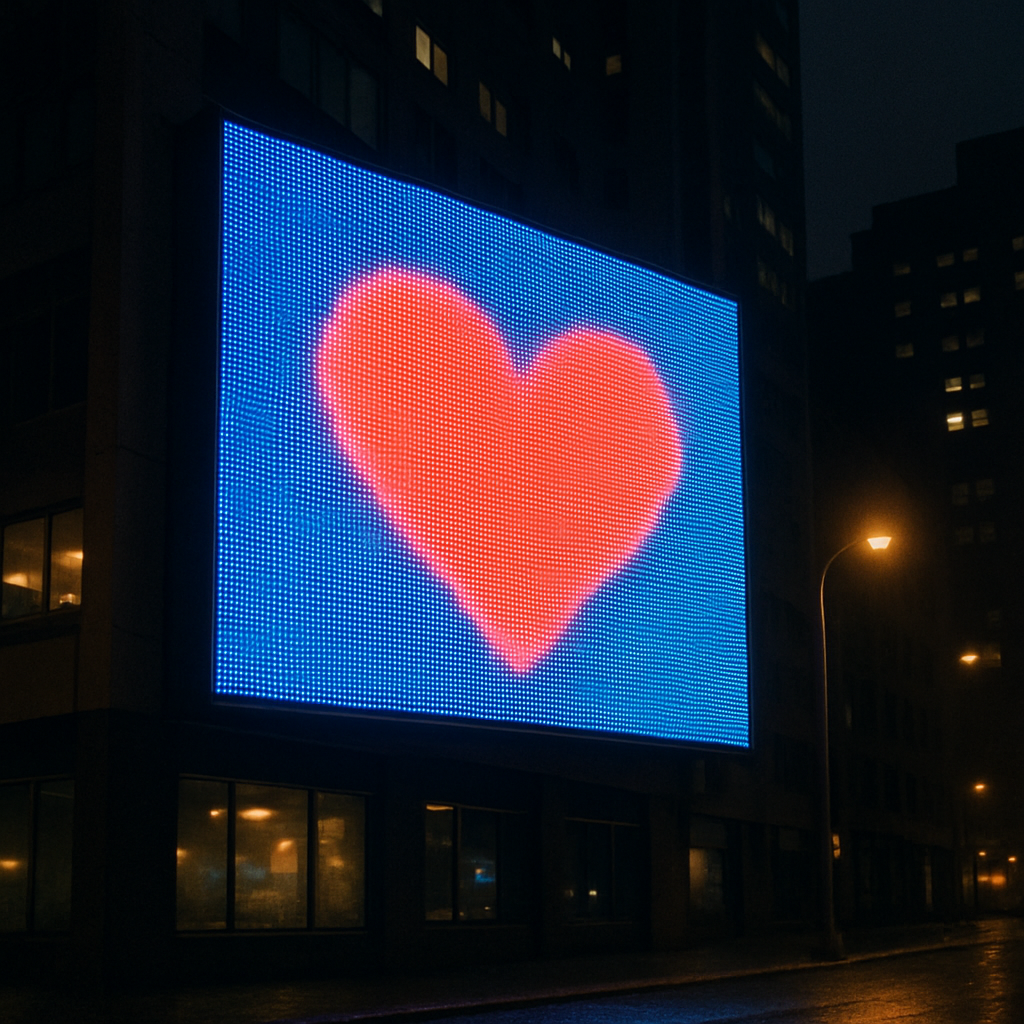
Visibility is the cornerstone of effective outdoor advertising. An advertising outdoor LED screen must capture attention and convey messages clearly, even when competing with the sun’s glare. Without proper visibility, your investment in LED screen advertising may not yield the desired results.
Factors Affecting Outdoor Advertising Visibility
Several factors influence the visibility of outdoor advertising screens, particularly LED displays. Understanding these factors can help you make informed decisions when selecting the right screen for your advertising needs. Each element, from the technical specifications to the screen’s placement, plays a critical role in ensuring your message is seen and understood by your target audience.
Brightness Levels
The brightness of an LED display screen is measured in nits. Higher nit values indicate greater brightness, which is essential for visibility in direct sunlight. Outdoor LED screens typically range from 4,000 to 10,000 nits, ensuring that your content remains vibrant and readable even in challenging lighting conditions. It’s important to note that while higher brightness is beneficial, it must be balanced with energy efficiency and longevity of the screen to maintain cost-effectiveness.
Viewing Angle
The viewing angle of an advertising screen outdoor plays a significant role in how well your content is seen by passersby. A wider viewing angle ensures that your message is visible from various directions, maximizing the potential reach of your advertisement. Understanding the typical traffic patterns and positioning your screen to accommodate the widest possible audience will further enhance the effectiveness of your campaign.
Contrast Ratio
Contrast ratio is the difference between the darkest and brightest parts of the display screen for advertisement. A higher contrast ratio enhances image clarity and readability, making it easier for viewers to perceive your message even in bright sunlight. This is particularly important for detailed images and text that might otherwise get washed out. Investing in screens with superior contrast capabilities can make a significant difference in the overall impact of your advertising.
Anti-Reflective Coating
Many outdoor LED advertising screens are equipped with anti-reflective coatings to minimize glare. This feature helps reduce the impact of sunlight on the screen, ensuring that your content remains clear and legible. Anti-reflective coatings are especially valuable in environments with fluctuating light conditions, such as urban areas with reflective surfaces. By minimizing glare, these coatings help maintain the integrity of your visuals and improve the viewer’s experience.
Choosing the Right LED Display Screen for Advertising Outdoor
Selecting the right LED screen for advertising outdoor requires careful consideration of various factors. Here are some key aspects to keep in mind when making your decision.
Screen Resolution

Screen resolution determines the level of detail and clarity in your content. Higher resolution screens provide sharper images, which is particularly important for displaying intricate graphics and text. Consider the viewing distance and intended content when selecting the resolution for your outdoor LED display. High-resolution screens can be more expensive, but they often deliver a better return on investment by enhancing the quality and effectiveness of your advertising.
Durability and Weather Resistance
Outdoor advertising screens must withstand the elements, including rain, wind, and extreme temperatures. Look for displays with robust construction and weatherproof features to ensure long-lasting performance and minimal maintenance. The harshness of outdoor conditions can vary greatly depending on the locati0n, so it’s crucial to choose screens with appropriate protection levels to avoid frequent repairs or replacements, which can become costly over time.
Energy Efficiency
LED screens for advertising outdoor are generally more energy-efficient than traditional billboards. However, it’s still important to choose screens with energy-saving features, such as automatic brightness adjustment based on ambient light conditions. This not only reduces power consumption but also extends the lifespan of the display. In addition to lowering operational costs, energy-efficient displays are also more environmentally friendly, aligning with the growing demand for sustainable business practices.
Integration with Touch Screen Advertising Displays
Interactive touch screen advertising displays can enhance engagement and provide a more immersive experience for viewers. Consider integrating touch screen capabilities into your outdoor advertising strategy to create memorable and interactive campaigns. This approach can be particularly effective in high-traffic areas where people have time to engage with the content, such as shopping centers or public transportation hubs. Interactive displays encourage user participation, making your advertising efforts more impactful and memorable.
Maximizing Outdoor LED Display Visibility
To ensure that your outdoor digital advertising screen captures attention and delivers your message effectively, consider implementing the following strategies:
Optimize Content Design
The design of your content plays a crucial role in visibility. Use bold colors, large fonts, and high-contrast images to make your message stand out. Keep text concise and focus on a clear call-to-action to engage viewers quickly. The simplicity and clarity of your message can significantly influence how well it is received and remembered by your audience, so consider the balance between aesthetic appeal and functional communication.
Schedule Content for Optimal Viewing Times
Consider the time of day and lighting conditions when scheduling content on your outdoor LED advertising screen. Display brighter content during daylight hours and adjust brightness settings as needed to maintain visibility. By aligning your content schedule with peak traffic times and environmental conditions, you can enhance the likelihood of your advertisement reaching and resonating with your target audience.
Regular Maintenance and Calibration
Regular maintenance and calibration are essential for maintaining optimal performance and visibility. Clean the screen regularly to remove dirt and debris that can affect image quality. Additionally, schedule periodic calibration to ensure accurate color reproduction and brightness levels. Consistent upkeep not only preserves the quality of your display but also helps prevent more significant issues that could disrupt your advertising campaigns.
Utilize Split Screen Advertising
Split screen advertising allows you to display multiple pieces of content simultaneously, maximizing the use of available screen space. This can be particularly effective for promoting multiple products or services at once, increasing the overall impact of your advertising campaign. By strategically organizing your content, you can cater to diverse audience interests and create more engaging and dynamic visual experiences.
Conclusion
Investing in an outdoor LED display screen for advertising can significantly enhance your visibility and engagement with potential customers. By understanding the key factors that contribute to visibility in harsh sunlight, you can make informed decisions that ensure your advertising efforts are successful. From selecting the right screen specifications to optimizing content design and maintenance, each step plays a crucial role in achieving maximum impact.
By embracing the power of LED technology and implementing these strategies, your outdoor advertising screen can become a beacon of attraction, capturing the attention of audiences and driving results even in the brightest sunlight. As the technology and techniques for outdoor advertising continue to evolve, staying informed and adaptable will help you maintain a competitive edge and achieve lasting success in your marketing efforts.