
In modern video wall setups, achieving seamless screen display, cutting, and switching requires specific equipment. Four essential products are commonly used: HDMI distributor, HDMI matrix, video processor, and digital decoder. But when should you use each one? What’s the difference between these devices, and how do you choose the right one for your video wall project? In this article, we will break down the differences between these four products to help you make informed decisions, save costs, boost efficiency, and enhance professionalism in your projects. Selecting the right video wall components is crucial for success.
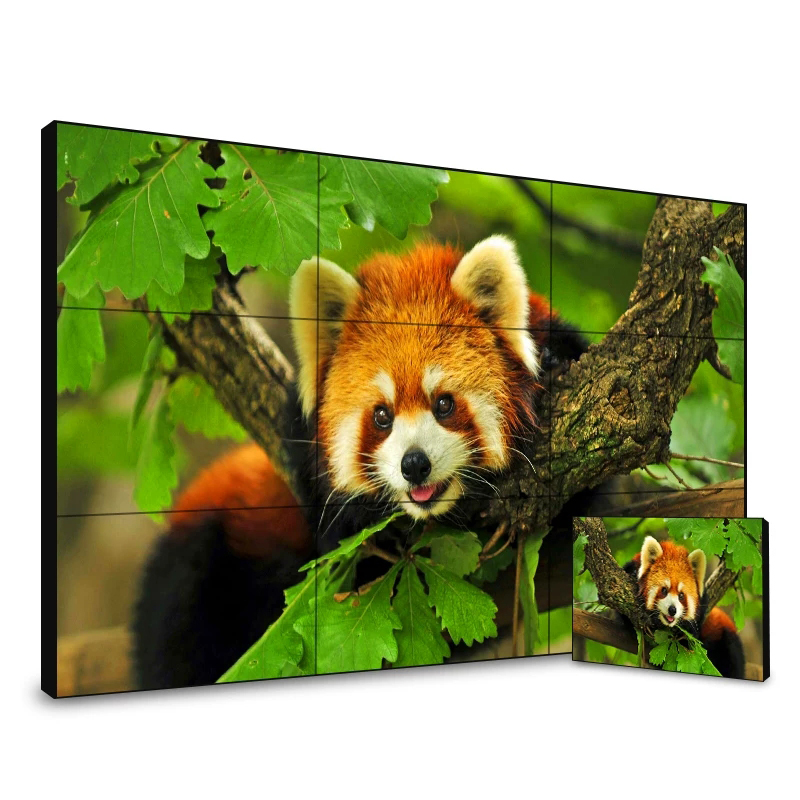
1. HDMI Distributor
HDMI distributors are ideal for situations where you need to send the same signal to multiple display devices simultaneously. Common applications include courts, public security centers, schools, transportation hubs, energy management centers, and remote video conferencing setups. These video wall components are fundamental in such scenarios.
When to Use:
- For distributing the same video signal to multiple screens.
- Ideal for scenarios like remote training, command centers, multimedia conferences, or video teaching.
- HDMI distributors typically have one input and multiple outputs, such as 1 input with 4, 8, or 16 outputs.
- They are commonly used to drive up to 16 screens with a single input signal. These video wall components help achieve effective distribution.
Limitations:
- HDMI distributors can only output the same image to all screens, with no ability to split or customize the display across multiple screens.
- Affordable but less flexible compared to other solutions.
2. HDMI Matrix
An HDMI matrix allows you to send multiple video signals from various sources to multiple output devices, allowing flexibility in routing different signals to different screens. This device offers more control than an HDMI distributor, as it enables independent switching of input sources to any output. In high-demand video wall setups, these components are indispensable.
When to Use:
- Best for situations where you need flexibility in routing different video signals to different screens.
- Commonly used in complex setups like control rooms, command centers, or broadcasting where multiple sources are connected to various displays.
- The matrix typically supports multiple configurations like 4×4, 8×8, or 16×16 (inputs and outputs).
Advantages:
- Enables free splitting of images across video walls. These video wall components offer significant flexibility.
- Supports complex, dynamic video displays for large-scale monitoring or broadcast setups.
- Offers high flexibility and scalability.
3. Video Processor
A video processor is a more advanced tool that allows for sophisticated image manipulation and flexibility. It can take multiple input signals from various sources (such as HDMI, DVI, VGA, SDI) and process them into customizable outputs. It’s one of the most versatile video wall components available.
When to Use:
- Ideal for high-performance video wall setups where you need to split or scale images across multiple screens.
- Used in situations where you need to manipulate the input signal (e.g., adjusting resolution, aspect ratio, or adding effects like picture-in-picture or subtitles).
- Video processors often support various input signals, including DVI, VGA, BNC, and SDI. These video wall components enable advanced configurations.
Advantages:
- Can freely split images across a video wall.
- Supports advanced features like picture-in-picture, subtitle overlays, and more.
- Ideal for complex video displays with varying signal types.
4. Digital Decoder Matrix
Digital decoder matrices are specifically designed for use in security and surveillance industries. These devices decode IP-based video streams and convert them into HDMI signals, making them essential for controlling CCTV or surveillance video walls. Video wall components like these are tailored for security applications.
When to Use:
- Primarily used in security systems where IP video streams need to be decoded and displayed on multiple screens.
- Perfect for surveillance monitoring stations where IP cameras are feeding into a central system.
Advantages:
- Decodes IP signals into HDMI, allowing for seamless integration into video walls.
- Supports flexible switching and splitting of images, ideal for security and monitoring applications.
Key Differences:
- HDMI Distributor: Simple, cost-effective, but limited to outputting the same image across multiple screens.
- HDMI Matrix: Provides flexibility in routing different signals to different screens, making it ideal for complex video wall setups.
- Video Processor: Offers advanced image manipulation features, including splitting, scaling, and effects like picture-in-picture or subtitles.
- Digital Decoder Matrix: Specialized for IP video streams, used primarily in security and surveillance applications.
Conclusion:
Choosing the right product for your video wall setup depends on your specific needs. If you require simple distribution of a single video signal across multiple screens, an HDMI distributor will be sufficient. For more flexibility and control over routing signals to different screens, an HDMI matrix is the better choice. If you need advanced features like image manipulation or the ability to handle various signal types, a video processor is your go-to solution. Finally, for security and surveillance setups, a digital decoder matrix is designed to handle IP video streams and display them on your video wall. Selecting the appropriate video wall components will make a significant difference.
Understanding the differences between these devices will help you choose the right solution for your video wall project, saving costs, improving efficiency, and enhancing the overall experience. Remember, choosing the right video wall components is key to the success of your project.