
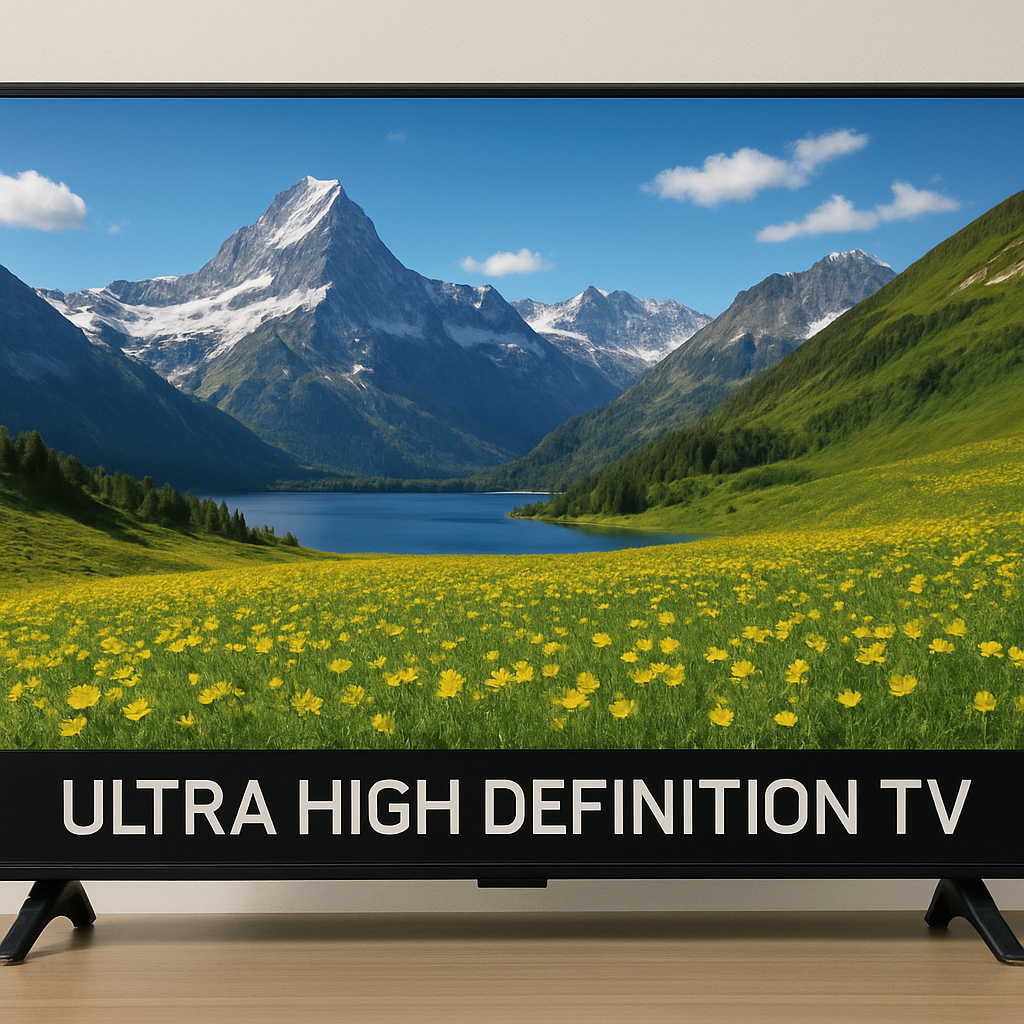
Ultra High Definition (UHD) refers to the resolution of the television screen. In essence, resolution is the number of pixels that make up the picture on a display. The higher the resolution, the sharper and more detailed the image. This makes UHD a significant step up from older technologies, offering viewers an immersive experience with more lifelike visuals and finer details.
UHD Resolution Explained
UHD, also known as 4K, offers a resolution of 3840 x 2160 pixels. This is four times the number of pixels found in a Full HD (1080p) display. With this high pixel count, UHD televisions deliver clearer and more detailed images, particularly noticeable on larger screens. As screen sizes increase, the importance of a higher pixel count becomes more evident, ensuring that images remain crisp and detailed even at close viewing distances.
UHD is becoming the standard resolution for new televisions, providing a significant improvement in picture quality over older HD models. This shift is driven by the growing availability of 4K content, ranging from streaming services to video games, which allows viewers to fully utilize the capabilities of their UHD TVs. As content creators continue to push the boundaries of visual storytelling, UHD serves as a crucial platform for delivering these rich, detailed experiences.
Benefits of UHD
- Enhanced Detail: The higher pixel density allows for more detail and clarity, making it ideal for watching nature documentaries, sports, and movies. The intricate details visible in UHD can transform how we experience content, bringing viewers closer to the action and elevating the overall viewing experience.
- Larger Screens: UHD resolution is particularly beneficial for larger TVs, as it maintains image quality even on screens over 55 inches. As the demand for larger screens grows, UHD ensures that viewers do not have to compromise on picture quality, making it a popular choice for home theaters and living rooms.
- Future-Proofing: As more content is produced in 4K, having a UHD TV ensures you’re ready for the latest high-definition broadcasts and streaming services. Investing in a UHD TV now means you’re prepared for the future of television, as the industry continues to embrace higher resolutions and more advanced formats.
What is QLED?
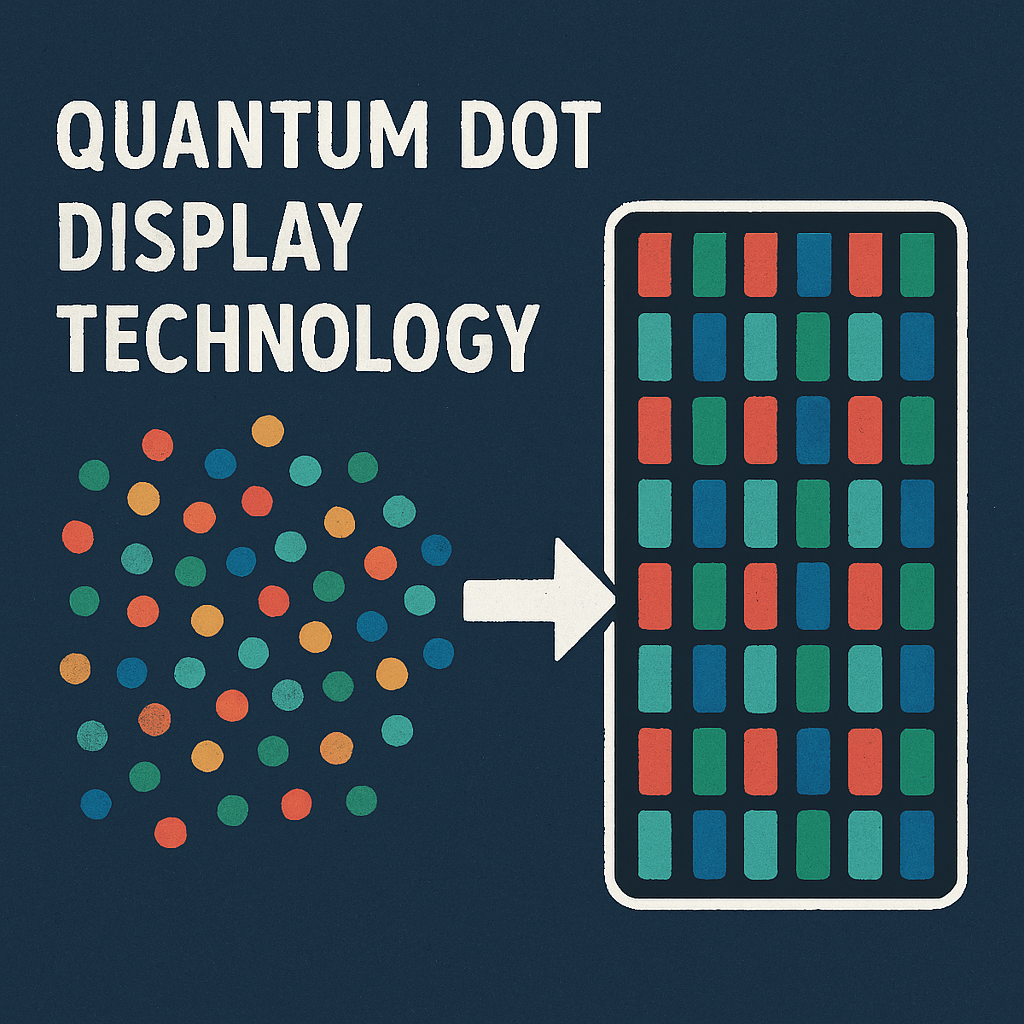
QLED stands for Quantum Dot Light Emitting Diode. Unlike UHD, which refers to resolution, QLED is about the display technology used to produce images on the screen. This technology focuses on improving the quality of the image itself, enhancing aspects like color accuracy and brightness to create a more vibrant and engaging viewing experience.
How QLED Works
QLED technology uses quantum dots to enhance brightness and color. Quantum dots are tiny semiconductor particles that emit specific colors when exposed to light. In a QLED TV, these dots are placed in front of a traditional LED backlight. This setup allows QLED TVs to produce a wider range of colors and higher brightness levels compared to standard LED TVs, offering a more dynamic and vivid picture.
The integration of quantum dots into the display process results in more precise color reproduction, allowing viewers to see colors as they were meant to be seen. This technology is particularly beneficial for viewing content with a wide color palette, such as animated films and nature documentaries, where accurate color representation is crucial.
Benefits of QLED
- Brighter Images: QLED TVs are known for their exceptional brightness levels, making them ideal for well-lit rooms. This brightness ensures that images remain clear and visible even in environments with a lot of ambient light, such as living rooms with large windows.
- Vivid Colors: The quantum dots enable a wider color gamut, resulting in more lifelike and vibrant images. This wide color range enhances the viewing experience by delivering colors that are more true-to-life, making QLED a preferred choice for those who value color accuracy and visual richness.
- Durability: QLED panels tend to be more durable and less susceptible to burn-in compared to other display technologies like OLED. This durability makes QLED an attractive option for consumers looking for a reliable and long-lasting television that can withstand hours of continuous use without degrading in quality.
UHD vs. QLED: Key Differences
While UHD focuses on resolution, QLED focuses on color and brightness. Both technologies can complement each other, as many QLED TVs also offer UHD resolution. However, understanding their differences can help you prioritize what matters most for your viewing experience.
Resolution vs. Display Technology
- Resolution (UHD): Determines the clarity and detail of the image. UHD is best for those who want the sharpest picture possible, especially on large screens. It enhances the overall viewing experience by providing a level of detail that makes images appear more realistic and engaging.
- Display Technology (QLED): Enhances color and brightness. QLED is ideal for viewers who prioritize vivid colors and bright images, especially in bright environments. This focus on color and brightness ensures that the images are not only sharp but also vibrant and full of life, making every scene captivating.
Consider Your Viewing Environment
When choosing between UHD and QLED, consider your viewing environment. If you’re placing your TV in a bright room, QLED’s superior brightness can be a significant advantage. This feature can make a noticeable difference in daytime viewing, where ambient light can wash out the image on less bright displays.
On the other hand, if you’re more concerned with resolution and detail, especially for a home theater setup, UHD might be more important. In darker settings, the detailed visuals provided by UHD can create an immersive experience, drawing viewers into the story unfolding on screen.
UHD vs. QLED vs. OLED

To further complicate matters, there’s also OLED (Organic Light Emitting Diode) technology. While not the main focus of this article, it’s worth understanding how OLED compares to UHD and QLED. Each of these technologies has its own strengths, and understanding them can help you make a more informed decision when purchasing a new television.
What is OLED?
OLED technology uses organic compounds that emit light when an electric current is applied. Each pixel in an OLED display can be turned on or off individually, allowing for perfect blacks and a high contrast ratio. This ability to achieve true blacks and infinite contrast makes OLED a popular choice for those who prioritize picture quality over other factors.
OLED displays are known for their exceptional picture quality, with deep blacks and vibrant colors that create a stunning visual experience. This technology is particularly well-suited for viewing in dark environments, where its ability to produce perfect blacks enhances the contrast and depth of the image.
Comparing OLED with UHD and QLED
- OLED vs. UHD: While UHD focuses on resolution, OLED offers superior contrast and black levels, making it ideal for dark rooms. UHD provides the clarity and detail that complements OLED’s contrast, resulting in a breathtaking viewing experience.
- OLED vs. QLED: OLEDs excel in contrast and black levels, while QLEDs are brighter and more suitable for well-lit rooms. The choice between the two often comes down to personal preference and viewing conditions, as both offer unique advantages that can enhance your viewing experience.
Making Your Decision
Choosing between UHD, QLED, and even OLED depends on your specific needs and viewing preferences. Here are some factors to consider:
- Room Lighting: For bright rooms, QLED’s brightness is a plus. In darker settings, OLED’s contrast may be more appealing. Assessing the lighting conditions in your viewing area can help you determine which technology will deliver the best performance.
- Content Type: If you watch a lot of 4K content, UHD’s resolution is crucial. For vibrant colors, QLED is ideal. Consider the types of content you enjoy most, as this can guide your decision towards the technology that best enhances your viewing habits.
- Budget: OLED TVs tend to be more expensive, so budget-conscious buyers might prefer UHD or QLED models. It’s important to weigh the benefits of each technology against your budget constraints to find the best value for your investment.
Conclusion
Understanding the differences between UHD and QLED can significantly impact your TV viewing experience. UHD delivers superior resolution, while QLED offers enhanced color and brightness. By considering your room’s lighting, content preferences, and budget, you can choose the perfect TV technology to meet your needs.
Remember, the ultimate goal is to enhance your viewing experience, so weigh the benefits of each technology to find the best fit for you. Whether you prioritize sharp resolution, vibrant colors, or deep blacks, there’s a TV technology out there that can transform how you enjoy your favorite shows and movies. Happy viewing!