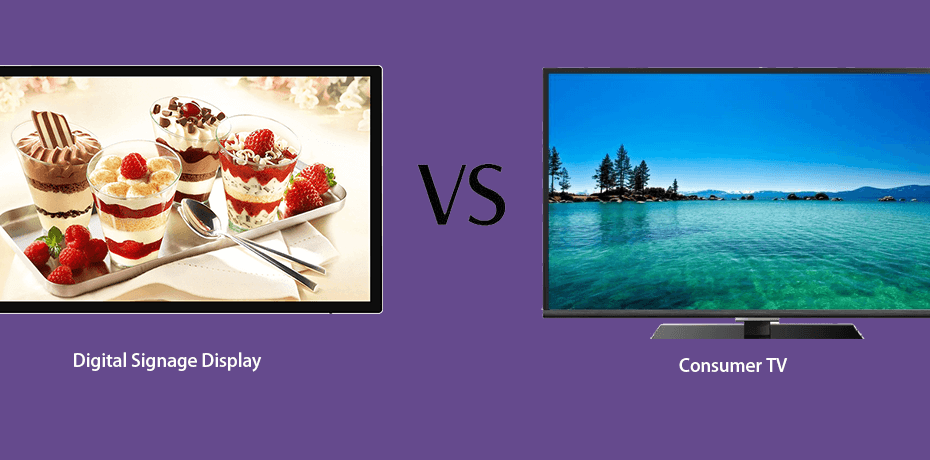
In today’s business landscape, visual merchandising is crucial for capturing customer attention, enhancing brand image, and driving sales. Wall-mounted commercial signage and TVs are two common display devices used in public venues such as shopping malls, restaurants, and offices. While they may appear similar, significant differences exist between them in terms of functionality, application scenarios, technical features, and cost-effectiveness. Here, ScreenSculpt provides an in-depth look at these distinctions. Display kiosk technology plays a role too.
Functional Positioning
Wall-Mounted Advertising Display: The primary function of these machines is commercial promotion and information dissemination. They are designed for long-term continuous playback and support various media formats, including videos, images, and rolling text. Users can set playlists and enable automatic looping of content. Many advanced models also offer remote control, network content updates, and playback data statistics, allowing businesses to manage advertising content remotely and evaluate marketing effectiveness. These features highlight the versatility of the display kiosk for different business needs.
TV: TVs are primarily home entertainment centers, offering a range of TV programs, movies, and online content. While modern smart TVs can connect to the Internet and support third-party applications, their main focus remains on delivering an entertainment experience rather than commercial promotion. TVs prioritize display quality, sound, and user interaction to cater to the diverse preferences of family viewers.
Application Scenarios
Wall-Mounted Advertising Screen: These devices are widely used in public spaces such as retail stores, hotel lobbies, hospitals, airports, and subways. They effectively display product advertisements, brand promotions, and navigational guidance, capturing customer attention and enhancing brand visibility. Their design often integrates seamlessly with the surrounding environment and ensures stability during prolonged operation. Display kiosk units can be an alternative in such high-traffic areas.
TV: Typically found in private settings like living rooms and bedrooms, TVs serve as the main source of home entertainment. With the rise of smart TVs, they also function as smart home control centers, connecting various devices to provide convenient services.
Technical Features
Display Effect: Wall-mounted advertising board usually feature high-brightness, high-contrast displays, ensuring visibility in brightly lit environments. Many utilize LED backlight technology to reduce energy consumption and extend service life. In contrast, TVs emphasize color reproduction and viewer comfort, aiming for a more natural and softer image quality suitable for home environments.
Playback Mode: Wall-mounted Signage Screen are designed for 24/7 uninterrupted playback and can automatically switch content based on preset schedules, requiring no manual intervention. TVs typically require users to select programs or content manually. A display kiosk also offers similar 24/7 operation benefits.
Interactive Capabilities: Some wall-mounted Interactive Display support touch interaction, allowing viewers to engage with the content, enhancing participation and experience. TVs, however, have limited interactivity, primarily relying on remote controls or voice commands for basic functions.
Cost-Benefit Considerations
Initial Investment: Generally, wall-mounted advertising device are priced slightly higher than standard TVs of the same size due to their specialized commercial use and higher technical requirements. However, their advantages in long-term operation, remote management, and content updates can lead to greater cost-effectiveness over time.
Operating Costs: The operating costs for wall-mounted digital screen include power consumption and maintenance. These devices are optimized for energy efficiency and often include intelligent energy-saving features that adjust brightness based on ambient light. Selecting a supplier with reliable service can also ensure the stable operation of the machine over the long term.
Revenue Potential: For businesses, wall-mounted signage machines can serve not just as promotional tools but also as revenue sources. By leasing advertising space and collaborating with brands, businesses can diversify their advertising income. In contrast, TVs have limited revenue potential, relying primarily on ratings and ad placements associated with their programming. Using a display kiosk can further enhance revenue streams by offering interactive ad space.
Conclusion
In summary, wall-mounted signage devices and TVs differ significantly in functional positioning, application scenarios, technical features, and cost-effectiveness. The choice between the two should be based on specific usage scenarios, needs, and budget. For businesses focused on commercial promotion and continuous playback, wall-mounted advertising display board are the superior choice. Conversely, for consumers prioritizing home entertainment and viewing comfort, a TV remains the ideal option. Don’t forget the advantages of integrating a display kiosk into your strategy.
If you have any other questions about the advertising commercial display, you can contact us for free!