
LED video walls are transforming how we display content. They offer vibrant colors and high brightness, making them ideal for dynamic displays.
But what about the cost? Understanding the price of LED video walls can be complex.
Prices vary widely based on several factors. Size, resolution, and technology all play a role in determining the final cost.
Whether you’re a business owner or event planner, knowing these factors is crucial. It helps in making informed decisions about purchasing or renting.
This guide will explore the key elements that influence LED video wall prices. We’ll also discuss how to get the best value for your investment.
What Is an LED Video Wall?
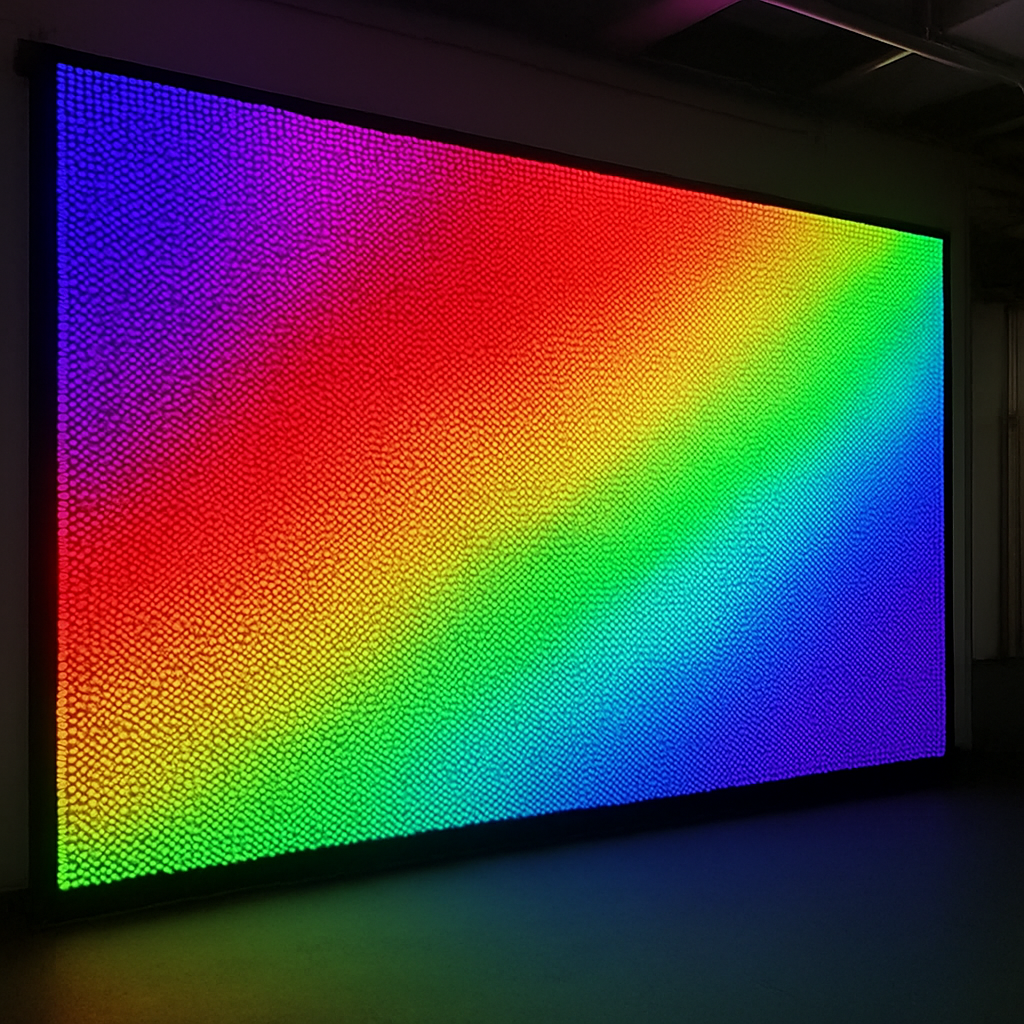
An LED video wall is a large screen made from multiple LED displays. These displays are seamlessly connected to create a bigger, coherent screen. They deliver high-definition content over a large area.
LED video walls are popular in various settings. From corporate environments to entertainment venues, their usage is widespread. Their ability to captivate with vivid imagery makes them a top choice for visual displays.
Here are some key features of LED video walls:
- High Resolution: Offers clearer, more detailed images.
- Brightness: Can be seen clearly in various lighting conditions.
- Flexibility: Customizable shapes and sizes.
Understanding these aspects is vital. It helps determine how suitable an LED video wall is for your needs.

Key Factors Influencing LED Video Wall Price
The price of LED video walls depends on several key factors. Knowing these can aid in making the right investment. Here, we’ll dive into these influential elements.
Size is a primary determinant of cost. Larger video walls naturally require more displays, raising the overall expense. As screen real estate increases, so does the price.
Pixel pitch is another crucial factor. This refers to the distance between each pixel on the display. A smaller pixel pitch provides sharper images but increases costs due to the need for more LEDs.
Resolution also plays a significant role in pricing. Higher resolution screens provide better image quality, which typically comes at a higher price point. The demand for stunning visuals can drive the need for high-resolution options.
Additional features also impact the price. Options such as interactive capabilities and advanced control systems can add to the expense. Customers seeking bespoke solutions may find that customization can escalate the costs further.
Consider these key factors when budgeting for an LED video wall:
- Size and Dimensions
- Pixel Pitch
- Resolution
- Technological Features
- Customization Needs
Understanding these influences helps in making an informed purchase. Remember, the right balance between features and cost is crucial.
Typical Price Ranges for LED Video Walls
LED video wall prices can vary widely. The variety depends on the specifications and your unique needs. However, understanding general price ranges can guide budgeting effectively.
On the lower end, smaller, indoor video walls can start around a few thousand dollars. These might have a larger pixel pitch and lower resolution. Despite the lower cost, they still offer decent performance for specific applications.
In contrast, high-end video walls can exceed $100,000. These often feature advanced technologies, high resolutions, and are suited for outdoor use. Such options are excellent for venues that demand impressive visual impact.
To get a clearer idea of the investment, consider the following price ranges:
- Basic Video Walls: $5,000 – $15,000
- Mid-Range Systems: $15,000 – $50,000
- High-End Options: $50,000 and above
Understanding these ranges helps in assessing what might fit your requirements. Ensure each option aligns with both your budget and display needs.

by Sharad Bhat (https://unsplash.com/@sharadmbhat)
Additional Costs to Consider: Installation, Maintenance, and More
When budgeting for an LED video wall, installation costs play a significant role. These costs vary based on the complexity of the setup. Professional installation ensures optimal performance and longevity of your video wall.
Maintenance expenses should also be factored into your budget. Regular maintenance guarantees the system runs smoothly and extends its lifespan. Ignoring upkeep can lead to unexpected issues that might raise long-term costs.
There are additional costs to keep in mind too. These expenses might include:
- Shipping and Logistics: Transporting large components can be costly.
- Warranty and Service Contracts: Extended protection plans might be worth considering.
- Customization Fees: Unique shapes or features can increase overall expenses.
Considering these elements ensures no surprises arise. Understanding total ownership costs is crucial for a complete financial picture. Plan wisely to enjoy a hassle-free video wall experience.
Buying vs. Renting: Which Is More Cost-Effective?
Deciding between buying and renting an LED video wall depends on usage needs. Frequent usage often makes buying the better long-term investment. Ownership means control over the asset and no recurring rental fees.
Renting is ideal for short-term or one-off events. This option provides flexibility without commitment to maintenance or storage. It also allows access to newer models without the high purchase cost.
Consider these points when choosing between buying or renting:
- Frequency of Use: Regular use favors buying.
- Event Duration: Short-term events benefit from renting.
- Budget Constraints: Renting usually requires lower upfront costs.
Both options have their merits depending on specific needs. Evaluate the duration and frequency of use to find the most cost-effective solution.
How to Get the Best Value for Your Video Wall Investment
Maximizing value from your video wall begins with careful planning. First, assess your specific needs and objectives. Tailor the features to fit usage requirements without unnecessary frills.
Next, consider the total cost of ownership, not just the purchase price. Factor in expenses like maintenance and energy consumption. Choosing energy-efficient models can save money over time.
Here are tips to ensure smart purchasing:
- Research Brands: Opt for reputable brands with solid warranties.
- Compare Offers: Gather quotes from multiple vendors.
- Evaluate Lifespan: Prioritize products known for longevity.
By following these guidelines, you can secure a product that delivers excellent performance. It’s crucial to look beyond the initial price and consider long-term implications. This approach ensures a sound investment that meets your needs effectively.
Future Trends in LED Video Wall Pricing
The LED video wall market is dynamic and evolving. Technological advancements like microLED and miniLED are set to influence pricing. These technologies promise higher resolution and efficiency, potentially reducing costs in the long run.
Moreover, as demand rises across industries, economies of scale may further drive prices down. Expect improved features at lower costs in the near future. Keeping an eye on these trends is essential for future-proofing your investment. This proactive approach ensures you capitalize on emerging opportunities and innovations.
Conclusion: Making an Informed Decision
Investing in an LED video wall requires thoughtful consideration of costs and benefits. By understanding the factors influencing prices, you can choose a solution that fits your needs and budget. Make informed decisions for a high-value, impactful display.