
Now the way businesses and brands communicate with their audience has drastically changed. One of the most revolutionary changes is the evolution of display technology, particularly the advent of transparent screens. From transparent LED screens to transparent OLED video walls, these modern marvels offer a new dimension in visual communication. But, do these transparent screens build more trust compared to traditional screens? Let’s delve into this fascinating subject to find out.
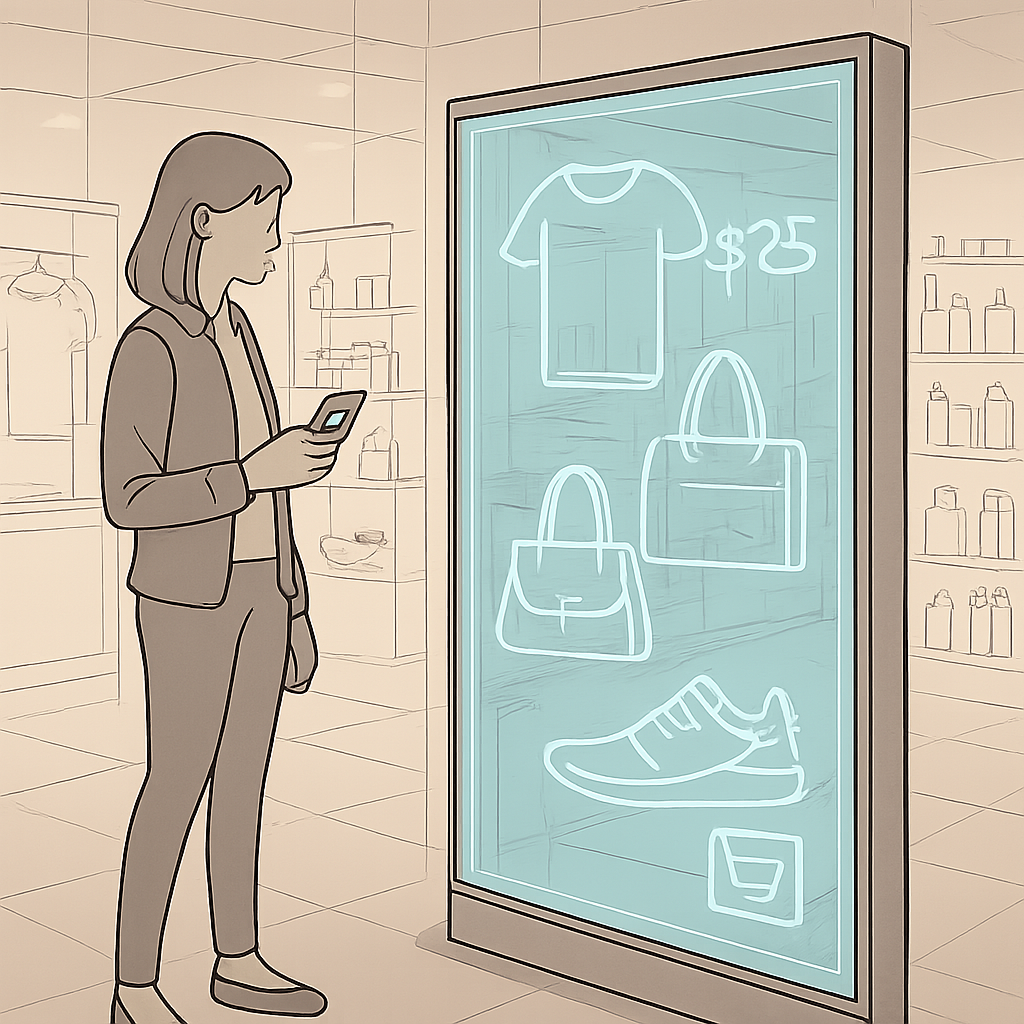
Transparent technology refers to display screens that allow viewers to see through the screen while viewing content. This technology is gaining traction across various industries, from retail to corporate settings, due to its aesthetic appeal and interactive capabilities.
Types of Transparent Screens
- Transparent LED Screens: These screens use LED technologies to create a display that is both see-through and vibrant. Ideal for outdoor advertising, they offer high brightness and visibility even in sunlight.
- Transparent OLED Video Walls: Known for their superior image quality, OLED screens are perfect for indoor installations. They offer incredible color accuracy and a seamless viewing experience.
- 1×2 and 2×2 Transparent Video Walls: These configurations allow businesses to create larger displays by combining multiple transparent screens. They are popular in retail environments to showcase products creatively.
Benefits of Transparent Screens

Transparent screens are not just about aesthetics; they offer several practical benefits:
Enhanced Customer Engagement
Transparent screens allow businesses to layer digital content over real-world objects. This capability significantly enhances customer engagement by offering an immersive experience. For instance, a transparent OLED video wall in a car showroom can display vehicle specs while still showing the actual car behind the screen.
Space Efficiency
Since transparent screens can overlay digital content onto physical products, they save space by eliminating the need for separate display areas. This is particularly beneficial in retail environments where space is at a premium.
Versatile Applications
From retail and advertising to exhibitions and corporate presentations, transparent technology finds applications across diverse sectors. Their versatility makes them a valuable asset in any digital communication strategy.
Building Trust with Transparent Screens
Trust is a vital component in any business-customer relationship. Transparent screens can play a crucial role in building this trust.
Transparency Equals Honesty
The very nature of transparent screens conveys a sense of openness. By allowing the audience to see both the digital content and the physical reality behind it, businesses can communicate more honestly. This transparency can foster trust among customers who appreciate seeing the ‘bigger picture.’
Innovative Storytelling

Transparent screens enable innovative storytelling by integrating digital narratives with physical elements. This mixed-reality approach can captivate audiences and convey messages more effectively, ultimately building trust through engaging and memorable experiences.
Improved Interaction
Transparent technology facilitates interactive experiences. Customers can engage directly with the content, leading to increased satisfaction and trust. For example, a transparent video wall in a museum might allow visitors to interact with historical data while viewing artifacts behind the screen.
Comparing with Traditional Screens
Limitations of Traditional Screens
Traditional screens, while still widely used, have certain limitations. They often create a barrier between the content and the real world, which can sometimes lead to a disconnect with the audience. Additionally, they tend to occupy more space and may not offer the same level of engagement as transparent screens.
Trust Factor
While traditional screens are reliable and familiar, they lack the element of transparency that modern audiences crave. In an age where consumers demand more openness from brands, transparent screens offer a compelling alternative by providing a window into the reality behind the digital facade.
Case Studies: Transparent vs. Traditional Screens
Retail Sector
In the retail sector, brands like Nike and Adidas have adopted transparent video walls to create dynamic storefront displays. These installations have not only attracted more foot traffic but have also increased sales by building trust with consumers through transparent and engaging displays.
Corporate Sector
In corporate settings, companies like Microsoft and Google use transparent technology for presentations and demonstrations. The ability to overlay information on real-world objects has enhanced their communication strategies, building trust with clients and stakeholders by providing clear and interactive content.
Conclusion: Which One Builds More Trust?
Both transparent and traditional screens have their place in modern communication strategies. However, transparent screens offer a unique advantage in building trust through their ability to combine digital content with real-world transparency. They provide a fresh, engaging, and honest way to communicate with audiences, making them an excellent choice for businesses looking to foster trust and enhance customer engagement.
In conclusion, as technology continues to evolve, transparent screens will likely become a staple in digital communication, offering innovative ways to connect with audiences and build lasting trust.
ScreenSculpt is a professional commercial display solutions manufacturer based in Shenzhen, founded and led by a technically experienced team. We maintain strong partnerships with leading panel manufacturers such as Samsung, LG, BOE, HKC, Innolux, and CSOT, ensuring access to premium display resources for our digital signage solutions, contact us now!