
In today’s rapidly evolving retail landscape, staying ahead of the curve means embracing innovative technology. One such advancement that is revolutionizing the way businesses interact with customers is the touchscreen digital kiosk. These devices are not just a novelty; they represent a powerful tool for enhancing customer engagement and streamlining operations. In this article, we’ll explore how touchscreen digital kiosks are transforming the shopping experience and why they’re becoming an essential component of modern retail strategies.
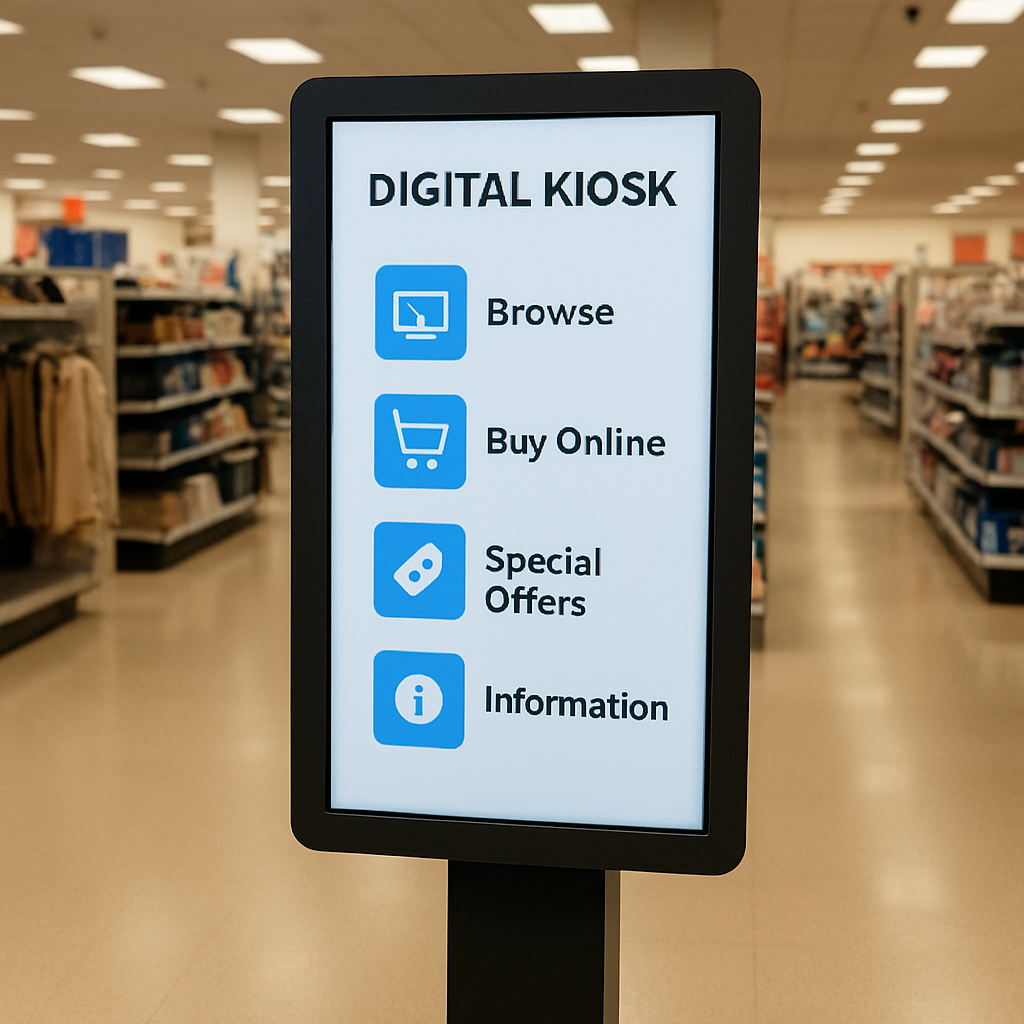
At its core, a touchscreen digital kiosk is a freestanding device equipped with a touch-responsive screen. These kiosks can be found in various settings, from retail stores and shopping malls to airports and public spaces. They serve a multitude of purposes, such as providing information, facilitating transactions, and even entertaining customers while they wait.
The Role of Digital Signage
Digital signage plays a crucial role in the functionality of these kiosks. By displaying dynamic content, such as advertisements, menus, or interactive maps, digital signage captures the attention of passersby and invites them to engage with the kiosk. This not only enhances the customer experience but also provides businesses with a versatile platform to communicate their messages effectively.
Benefits of Touchscreen Digital Kiosks
Enhanced Customer Engagement
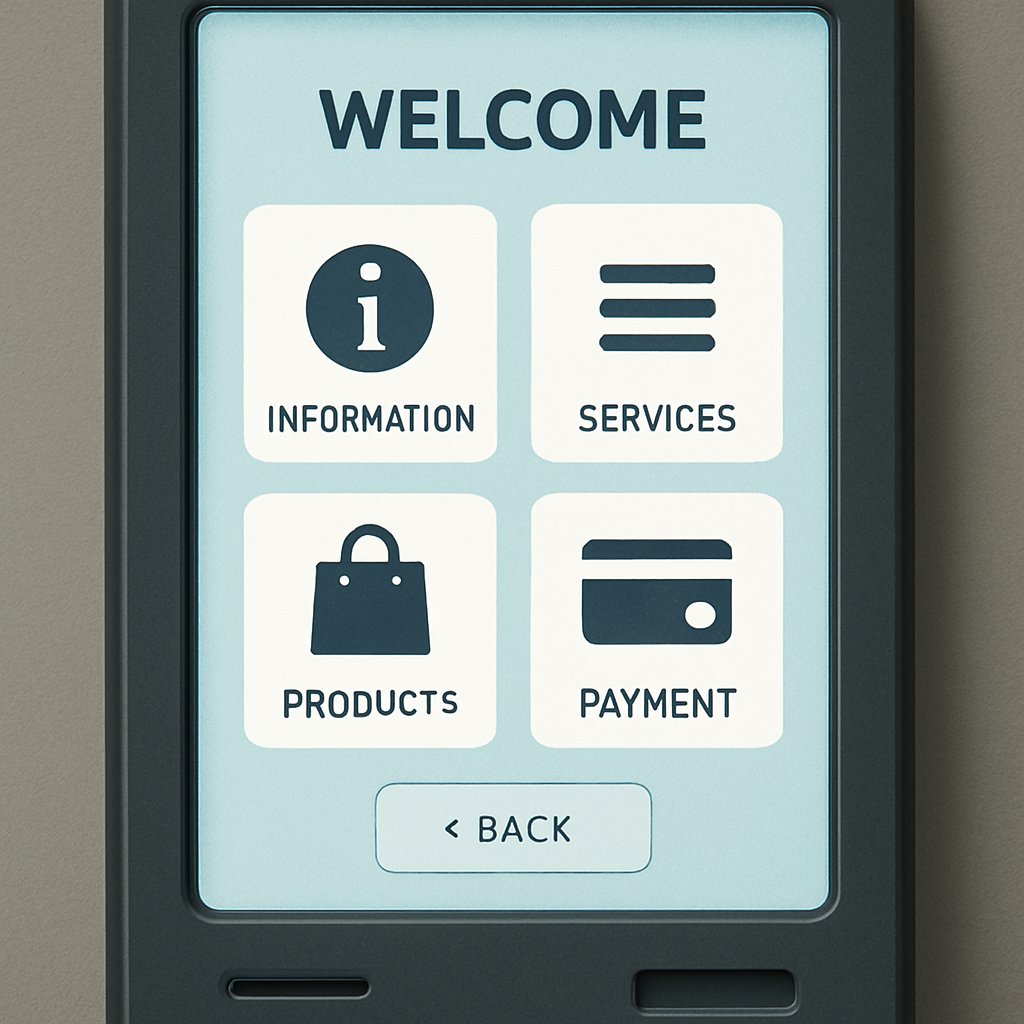
Touchscreen digital kiosks offer a unique opportunity for businesses to engage with customers on a more personal level. By enabling interactive experiences, these kiosks allow users to access information, browse products, and make purchases with ease. This level of interactivity not only improves customer satisfaction but also encourages repeat visits.
Streamlined Operations
For businesses, the implementation of digital kiosks can lead to streamlined operations. By automating routine tasks such as check-ins, ticketing, or order processing, kiosks free up staff to focus on more complex customer service needs. This not only improves efficiency but also reduces wait times, enhancing the overall customer experience.
Data Collection and Insights
Touchscreen kiosks are also valuable tools for collecting data and gaining insights into customer behavior. By tracking interactions and gathering feedback, businesses can make informed decisions about product offerings, store layouts, and marketing strategies. This data-driven approach enables businesses to tailor their services to better meet customer needs.
Kiosk Software: The Heart of the System
Behind every successful digital kiosk is robust kiosk software. This software is responsible for managing the kiosk’s functionality, from user interface design to data security. Choosing the right software is crucial for ensuring a seamless user experience and maximizing the kiosk’s potential.
Features to Look For
When selecting kiosk software, businesses should consider several key features:
- User-Friendly Interface: A simple, intuitive interface is essential for encouraging user interaction.
- Security Measures: Protecting user data and preventing unauthorized access are top priorities.
- Remote Management: The ability to update content and troubleshoot issues remotely can save time and resources.
- Customizability: Tailoring the software to meet specific business needs enhances its effectiveness.
Real-World Applications of Touchscreen Digital Kiosks
Retail Environments
In retail settings, digital kiosks can serve as virtual sales assistants, providing product information, recommendations, and even guiding users through the checkout process. This not only enhances the shopping experience but also increases sales opportunities.
Hospitality Industry
Hotels and restaurants are increasingly adopting digital kiosks to streamline check-ins, reservations, and menu browsing. This technology reduces wait times and allows staff to focus on delivering exceptional service.
Healthcare Facilities
In healthcare settings, kiosks can simplify patient check-ins and provide vital information. By reducing administrative burdens, these devices help medical staff concentrate on patient care.
Future Trends in Digital Kiosk Technology

As technology continues to advance, digital kiosks are set to become even more sophisticated. Future trends may include:
- Integration with Augmented Reality (AR): Enhancing the interactive experience by overlaying digital information onto the physical world.
- Personalization: Utilizing customer data to offer personalized recommendations and promotions.
- Voice Recognition: Allowing users to interact with kiosks using voice commands for a hands-free experience.
Conclusion
Touchscreen digital kiosks are reshaping the way businesses engage with customers. By offering interactive, efficient, and data-driven solutions, these devices are becoming an integral part of the modern retail strategy. Whether you’re looking to enhance customer satisfaction, streamline operations, or gain valuable insights, digital kiosks provide a versatile platform to achieve your goals. As technology evolves, the potential for these kiosks to revolutionize the shopping experience is limitless.
Embracing this innovation now can set your business on a path to success, ensuring you stay ahead in the competitive retail landscape. With the right digital signage, kiosk software, and strategic implementation, touchscreen digital kiosks can transform your business and elevate the customer experience to new heights.