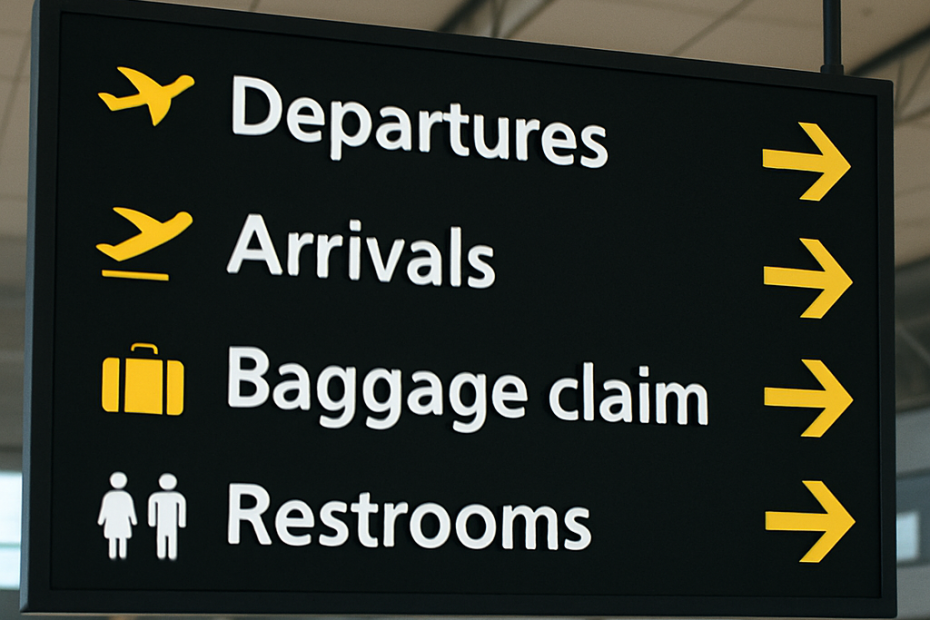
Navigating through large facilities such as hospitals, universities, airports, or shopping malls can often be a daunting task. The sheer size and complexity of these spaces can leave visitors feeling lost and overwhelmed. This is where digital wayfinding signage comes in. By leveraging the power of technology, digital wayfinding screens provide a seamless navigation experience, guiding visitors efficiently to their desired destinations.
In this article, we’ll explore the top benefits of using digital wayfinding signage in large facilities and how it can enhance the visitor experience while improving operational efficiency.

Easy Navigation
Digital wayfinding signage makes it easy for visitors to find their way around large facilities. By providing clear, interactive maps and step-by-step directions, visitors can quickly locate their desired destination without any confusion. This reduces frustration and ensures a positive experience from the moment they step inside.
Real-Time Updates
One of the standout features of digital wayfinding screens is their ability to provide real-time updates. Whether it’s a change in room numbers, event locations, or emergency alerts, digital signage ensures that information is always current. This dynamic capability prevents the spread of outdated or incorrect information, enhancing the accuracy of navigation.
Multilingual Support
Large facilities often welcome a diverse range of visitors from various backgrounds. Digital wayfinding signage can cater to this diversity by offering multilingual support. Visitors can select their preferred language, making navigation accessible to everyone, regardless of their language proficiency.
Improving Operational Efficiency

Reduced Staff Dependency
Traditionally, wayfinding relied heavily on staff assistance. With digital signage and wayfinding solutions, visitors can self-navigate, reducing the need for staff intervention. This frees up staff to focus on more critical tasks, thereby improving overall operational efficiency.
Cost-Effective Solution
While the initial investment in digital wayfinding technology might be higher than traditional signage, it proves cost-effective in the long run. Digital screens can be easily updated without the need for printing new signs, saving both time and resources. Additionally, the reduced dependency on staff for navigation assistance contributes to cost savings.
Enhanced Data Collection
Digital wayfinding solutions can also serve as valuable data collection tools. By tracking how visitors interact with the signage, facility managers can gain insights into visitor behavior and movement patterns. This data can inform future improvements, helping to optimize the layout and functionality of the facility.
Versatility and Customization
Tailored Content
Digital wayfinding signage offers the flexibility to customize content according to specific needs. Whether it’s branding elements, promotional messages, or seasonal themes, digital screens can be tailored to reflect the facility’s unique identity. This customization enhances the overall ambiance and reinforces the facility’s brand message.
Integration with Other Technologies
Digital signage solutions can be integrated with other technologies, such as mobile apps or RFID systems, to create a seamless navigation experience. For example, visitors can use a mobile app to scan a QR code on a digital sign and receive turn-by-turn directions on their smartphone. This integration expands the functionality of digital wayfinding, offering visitors multiple ways to access information.
Enhancing Safety and Accessibility

Emergency Communication
In the event of an emergency, digital wayfinding signage can play a crucial role in ensuring visitor safety. With the ability to instantly broadcast emergency alerts and evacuation instructions, digital screens become a vital communication tool. This rapid dissemination of information can save lives and prevent panic during critical situations.
Improved Accessibility
Accessibility is a key consideration in large facilities. Digital wayfinding technology can be designed to accommodate the needs of individuals with disabilities. Features such as voice guidance, high-contrast displays, and tactile interfaces ensure that everyone can navigate the facility with ease.
Environmental Benefits
Reduction in Paper Waste
By transitioning from traditional paper-based signage to digital screens, facilities can significantly reduce their paper waste. This shift not only supports sustainability efforts but also aligns with the growing demand for environmentally friendly practices.
Energy Efficiency
Modern digital signage solutions are designed with energy efficiency in mind. With LED technology and smart sensors, digital screens consume less power, contributing to reduced energy costs and a smaller carbon footprint.
Conclusion
Digital wayfinding signage is transforming the way we navigate large facilities. From enhancing visitor experience to improving operational efficiency and safety, the benefits are clear. As technology continues to evolve, digital signage and wayfinding solutions will become an integral part of facility management, offering innovative ways to guide and inform visitors.
For facility managers looking to enhance the visitor experience while optimizing operations, investing in digital wayfinding technology is a strategic move towards a more efficient, accessible, and sustainable future.