

Digital signage is a form of electronic display that shows videos, graphics, and other multimedia content to engage audiences. It’s commonly used in retail stores, corporate buildings, airports, and many other venues to convey information or advertise products and services.
Types of Digital Signage
Digital signage comes in various forms, from large LED screens and video walls to kiosks and interactive displays. Each type serves a different purpose, allowing businesses to choose the most suitable format for their needs. For instance, video walls are ideal for high-impact advertising, while kiosks can provide interactive services and information.
Technology Behind Digital Signage
The technology powering digital signage includes hardware such as screens, media players, and software that manages content distribution. The latest advancements in digital signage technology have enabled seamless integration with other digital platforms and devices. This integration provides businesses with more control and flexibility over their content and messaging.
The Role of Digital Signage in Modern Business
Digital signage plays a vital role in enhancing customer interaction and experience. It allows businesses to convey messages in a visually appealing and efficient manner. As companies seek innovative ways to engage with their audience, digital signage becomes a pivotal tool in achieving this goal.
Enhanced Customer Engagement
One of the primary advantages of digital signage is its ability to capture and hold the attention of customers. Moving images and vibrant displays are more engaging than static signs, making it easier to communicate messages effectively. Businesses can use digital signage to showcase promotions, new products, or important announcements, ensuring that customers remain informed and engaged.
Capturing Attention
Digital signage captures attention through dynamic content that can be tailored to specific audiences. By using motion graphics and high-definition visuals, businesses can create eye-catching displays that stand out in crowded environments. This ability to attract attention is crucial for driving foot traffic and retaining customer interest.
Interactive Experiences
Interactive digital signage solutions allow customers to engage directly with the content. Touchscreens and motion sensors create an interactive experience that can be both informative and entertaining. These features not only enhance engagement but also provide valuable data on customer preferences and behavior.
Customizable Content for Targeted Engagement
Digital signage offers the flexibility to tailor content based on demographics, locati0n, and time of day. Businesses can schedule specific messages for different audiences, ensuring that the right content reaches the right people at the right time. This targeted approach increases the relevance of the messages and boosts customer engagement.
Cost-Effectiveness
Although the initial investment in digital signage technology can be significant, it often proves to be more cost-effective over time compared to traditional signage. With digital displays, businesses can eliminate the recurring costs of printing and distributing physical signs. Additionally, updates to digital content can be made instantly, reducing the need for frequent replacements and minimizing waste.
Long-Term Savings
The long-term savings associated with digital signage come from the reduced need for printed materials. Over time, these savings can offset the initial investment, making digital signage a cost-effective solution for many businesses. Additionally, digital signage reduces labor costs associated with updating traditional signage.
Reducing Environmental Impact
By minimizing the use of paper and other materials, digital signage contributes to a more sustainable business model. This reduction in waste not only benefits the environment but also aligns with the growing consumer demand for eco-friendly practices. Businesses that adopt digital signage can enhance their brand image by demonstrating a commitment to sustainability.
Instantaneous Updates
The ability to update content instantly is a significant cost-saving advantage of digital signage. Businesses can respond quickly to market changes, promotions, or events without incurring additional costs for printing and distribution. This agility ensures that businesses remain relevant and responsive to their audience’s needs.
Real-Time Updates and Flexibility
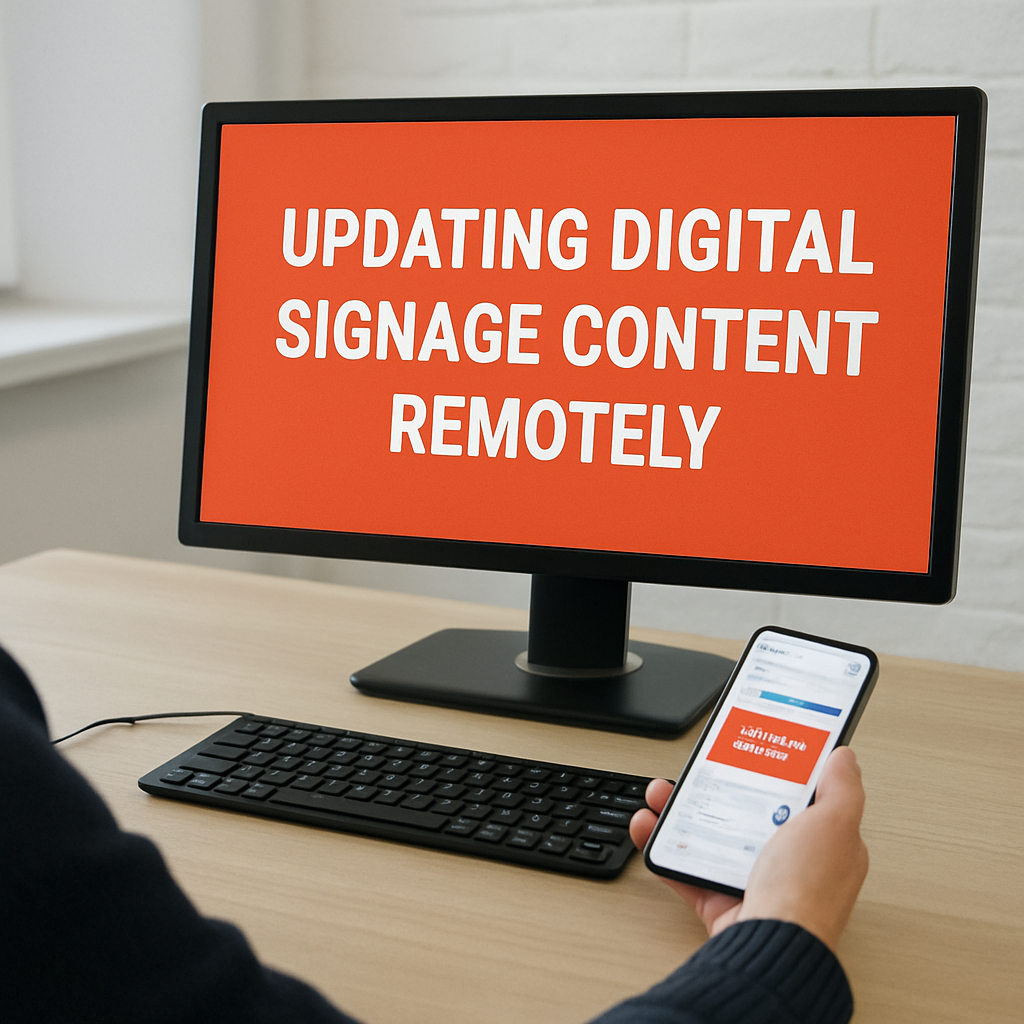
One of the standout benefits of digital signage solutions is the ability to update content in real-time. Whether it’s changing prices, announcing flash sales, or updating schedules, businesses can easily modify the content displayed on their screens from a central locati0n. This flexibility allows for timely and relevant communication with customers, improving their overall experience.
Centralized Content Management
Digital signage systems often come with centralized content management software, allowing businesses to control multiple displays from a single platform. This centralization simplifies the process of updating and managing content across different locations. Businesses can ensure consistency in their messaging and branding with minimal effort.
Dynamic Content Scheduling
Businesses can take advantage of dynamic scheduling features to plan content in advance. This capability allows for automated updates based on specific criteria such as time, weather, or audience demographics. By planning content strategically, businesses can maximize the impact of their digital signage and ensure it resonates with viewers.
Responsive to Market Changes
The flexibility of digital signage enables businesses to respond swiftly to market changes, such as price adjustments or new product launches. This responsiveness helps businesses stay competitive and capitalize on opportunities as they arise. Real-time updates ensure that the information displayed is always current and relevant to the audience.
Increased Sales and Revenue
Digital signage has been shown to influence customer purchasing decisions. By displaying eye-catching promotions and product information, businesses can encourage impulse buys and upsell opportunities. This dynamic form of advertising can lead to increased sales and, consequently, higher revenue.
Promoting Impulse Purchases
Digital signage can effectively promote impulse purchases by highlighting special offers and limited-time deals. The visual appeal and immediacy of digital displays can trigger spontaneous buying decisions, boosting sales volume. Retailers can strategically place digital signage near checkout areas to capture last-minute purchase opportunities.
Upselling and Cross-Selling
By showcasing complementary products or services, digital signage can facilitate upselling and cross-selling. For example, a restaurant can use digital displays to suggest drink pairings with meals, or a retail store can promote accessories alongside featured clothing items. This strategy not only increases revenue but also enhances the overall shopping experience.
Enhancing Product Visibility
Digital signage enhances product visibility by drawing attention to specific items or promotions. High-quality visuals and strategic placement of displays can highlight key products, encouraging customers to explore and make purchases. This increased visibility can lead to higher sales and improved inventory turnover.
Improved Brand Awareness
With digital signage, businesses have the opportunity to showcase their brand’s personality and values. High-quality visuals and consistent messaging help reinforce brand identity and build customer trust. By regularly displaying branded content, businesses can increase their visibility and strengthen their market presence.
Consistent Brand Messaging
Digital signage allows for consistent brand messaging across all locations and platforms. Businesses can maintain a unified brand image by using digital displays to convey their core values and identity. This consistency builds brand recognition and fosters customer loyalty.
Highlighting Brand Values
Digital signage provides a platform for businesses to highlight their brand values and commitments. Companies can use digital displays to showcase their sustainability efforts, community involvement, or customer testimonials. This transparency enhances brand credibility and strengthens relationships with customers.
Engaging Visual Storytelling
Through engaging visual storytelling, digital signage can convey a brand’s narrative in a compelling way. Businesses can use multimedia content to tell stories that resonate with their audience, creating an emotional connection. This storytelling approach not only improves brand awareness but also differentiates the brand from competitors.
Enhanced Customer Experience
Digital signage can significantly enhance the customer experience by providing useful information and entertainment. In environments like airports or hospitals, digital displays can offer wayfinding assistance or display wait times, reducing perceived wait times and improving customer satisfaction. Additionally, interactive digital signage can engage customers directly, creating a more personalized experience.
Wayfinding and Navigation Assistance
Digital signage is invaluable in providing wayfinding and navigation assistance in large venues such as airports, malls, and hospitals. Interactive maps and directional signs help visitors find their way with ease, reducing frustration and enhancing their overall experience. This functionality is particularly beneficial in complex environments where clear navigation is essential.
Reducing Perceived Wait Times
Digital displays can reduce perceived wait times by providing engaging content while customers wait. In waiting areas or queues, digital signage can display news, weather updates, or entertainment, making the wait more enjoyable. By improving the waiting experience, businesses can enhance customer satisfaction and loyalty.
Personalized Customer Interactions
Interactive digital signage solutions offer personalized customer interactions by allowing users to access tailored content. Customers can select the information they are interested in, such as product details or special offers, creating a customized experience. This personalization not only improves engagement but also enhances the overall customer experience.
Easy Content Management
Managing digital signage content is straightforward with the right software. Many digital signage solutions offer user-friendly interfaces that allow businesses to schedule and organize content effortlessly. This ease of use ensures that businesses can maintain fresh and relevant displays without requiring extensive technical expertise.
User-Friendly Software Interfaces
Digital signage software typically features intuitive, user-friendly interfaces that simplify content management. These interfaces allow users to drag and drop content, schedule playlists, and monitor displays from a single dashboard. The simplicity of these tools ensures that even non-technical staff can manage digital signage effectively.
Automating Content Updates
Automation features in digital signage software allow businesses to schedule content updates in advance. This capability is particularly useful for recurring promotions, seasonal campaigns, or time-sensitive information. Automation reduces the workload on staff and ensures that content is always up-to-date.
Monitoring and Analytics
Many digital signage solutions offer monitoring and analytics tools that provide insights into content performance. Businesses can track viewer engagement, measure the effectiveness of campaigns, and adjust content strategies accordingly. These analytics help businesses optimize their digital signage efforts and maximize return on investment.
Environmental Benefits

Switching to digital signage can contribute to a business’s sustainability efforts. By reducing the reliance on printed materials, businesses can decrease their carbon footprint and minimize waste. Moreover, many digital displays are designed to be energy-efficient, further supporting environmental conservation.
Reducing Paper Waste
Digital signage significantly reduces the need for paper-based advertising and promotional materials. This reduction in paper waste aligns with sustainable practices and minimizes the environmental impact of marketing efforts. Businesses that adopt digital signage can promote their eco-friendly initiatives and appeal to environmentally conscious consumers.
Energy-Efficient Displays
Modern digital displays are designed to be energy-efficient, consuming less power compared to older technologies. These energy-efficient displays help businesses lower their energy costs and reduce their carbon footprint. By investing in sustainable technology, businesses can contribute to environmental conservation efforts.
Supporting Sustainable Practices
Adopting digital signage supports broader sustainable practices by promoting digital communication over traditional methods. This shift not only benefits the environment but also positions businesses as leaders in sustainability. Companies can leverage their commitment to sustainable practices as a unique selling point to attract environmentally aware customers.
Competitive Advantage
In today’s fast-paced market, standing out from the competition is crucial. Digital signage provides businesses with a unique advantage by offering innovative ways to engage customers. By embracing this technology, businesses can differentiate themselves and demonstrate their commitment to staying at the forefront of industry trends.
Innovation in Customer Engagement
Digital signage represents innovation in customer engagement by offering interactive and immersive experiences. Businesses that adopt this technology demonstrate their willingness to embrace new ways of connecting with customers. This commitment to innovation can set businesses apart from competitors and attract tech-savvy consumers.
Differentiation Through Technology
By utilizing cutting-edge digital signage solutions, businesses can differentiate themselves in a crowded marketplace. Unique and memorable digital displays capture attention and reinforce a brand’s distinct identity. This differentiation is key to attracting and retaining customers in a competitive environment.
Commitment to Staying Current
Embracing digital signage reflects a business’s commitment to staying current with technological advancements. Customers are more likely to trust and engage with businesses that leverage modern technology to improve their experience. Staying ahead of the curve positions businesses as industry leaders and fosters long-term success.
Versatility Across Industries
Digital signage is not limited to a single industry; it has applications across various sectors. Retailers can use it to highlight promotions, restaurants can display dynamic menus, and corporate offices can communicate internal announcements. This versatility makes digital signage a valuable tool for any business looking to improve communication and engagement.
Retail and Hospitality
In the retail and hospitality sectors, digital signage is used to enhance the customer experience and drive sales. Retailers can showcase promotions and new arrivals, while hotels can use digital displays to provide guest information and entertainment. This versatility makes digital signage an essential tool for engaging customers in these industries.
Corporate and Education
Corporate offices and educational institutions utilize digital signage for internal communication and information dissemination. In corporate settings, digital displays can share company news, performance metrics, or motivational content. Educational institutions can use digital signage to inform students about events, schedules, and announcements.
Healthcare and Transportation
In healthcare and transportation, digital signage plays a critical role in wayfinding and communication. Hospitals use digital displays to guide patients and visitors, while airports and train stations provide travel information and updates. This functionality is vital for ensuring smooth operations and enhancing the user experience in these sectors.
Conclusion
Digital signage is a powerful tool that offers numerous benefits for businesses in 2025. From enhancing customer engagement to improving brand awareness, digital signage solutions are poised to become an integral part of business strategy. By leveraging the advantages of digital signage, companies can create dynamic and interactive experiences that resonate with their audiences and drive success.
Embracing the Future
Incorporating digital signage into your business not only enhances communication but also provides a competitive edge in an ever-evolving marketplace. As technology continues to advance, the potential for digital signage to transform the way businesses interact with their customers is limitless. Prepare to embrace the future with digital signage and unlock new opportunities for growth and success.
Unlocking New Opportunities
By adopting digital signage, businesses can unlock new opportunities for engagement and revenue growth. This technology allows companies to connect with their audience in meaningful ways and adapt to changing consumer preferences. Digital signage is not just a communication tool; it’s a gateway to innovation and success.
Driving Business Success
Digital signage is more than just a display; it’s a strategic asset that drives business success. By utilizing this technology, businesses can enhance their brand, engage customers, and stay ahead of the competition. As we move into 2025 and beyond, digital signage will continue to shape the future of business communication and engagement.