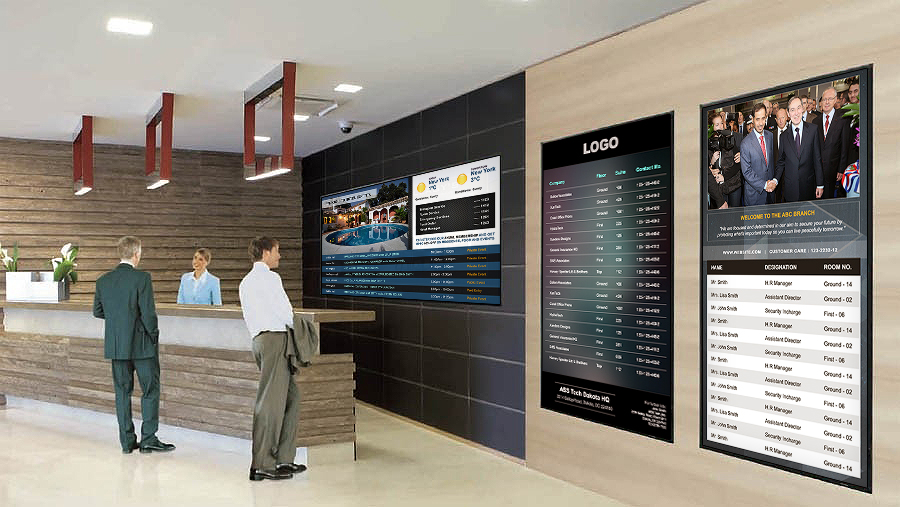
In the age of smartphones and constant connectivity, digital advertising signs have emerged as one of the most dynamic tools in marketing. These versatile, eye-catching displays are transforming public spaces into immersive experiences, engaging audiences in ways traditional billboards could never achieve. From retail stores to corporate events, airports to transit stations, digital advertising signs are now essential for brands looking to capture attention in real-time.
Why Digital Advertising Signs?
The appeal of digital advertising signs lies in their ability to deliver vibrant, animated content that can adapt on the fly. Here are some of the key reasons why digital signs have become an essential part of modern marketing:
- High Visibility and Engagement Digital signs stand out in any setting, thanks to their brightness and dynamic content. Unlike static signs, digital displays grab attention with movement, vivid colors, and changing messages. This high level of engagement makes digital signs particularly effective for busy environments where traditional advertising might go unnoticed.
- Real-Time Content Updates With digital signs, brands can update content instantly, allowing them to run promotions, provide announcements, or share the latest news as it happens. For example, retail stores can easily switch up promotions based on the time of day, while event organizers can use digital signs to keep attendees informed of scheduling changes.
- Increased Flexibility for Messaging Digital advertising signs offer unmatched flexibility in terms of messaging. Unlike print ads or traditional billboards, which require costly reprints and installations, digital signs can be programmed to display multiple messages or even change automatically based on schedules, audience demographics, or data from sensors and cameras.
- Interactivity and Enhanced Customer Experience Today’s digital signs can be interactive, allowing users to engage with the display via touchscreens, QR codes, or mobile integration. This level of interactivity can significantly enhance customer experience by allowing them to learn more about products, explore promotions, or access personalized content.
The Rise of Digital Signs in Various Industries
Digital advertising signs have been adopted across various industries, each using the technology to meet specific needs and improve user experiences.
- Retail: In-store digital signs are now widely used to highlight promotions, share product information, and enhance the shopping experience. Retailers can create eye-catching displays to draw in customers or use small, strategically placed signs to offer extra details about featured items.
- Transportation: Airports, train stations, and bus terminals use digital signs to display arrival and departure information, delays, and gate changes. This approach is not only practical but can also be a powerful advertising platform, with brands taking advantage of the high foot traffic in these areas.
- Corporate Environments: In offices, digital signs are commonly used in reception areas, conference rooms, and break rooms to share announcements, daily schedules, and internal news. The flexibility of digital signs allows companies to personalize messages and keep employees and visitors informed and engaged.
Digital Advertising Signs: The Future of Marketing
With continuous advancements in technology, digital advertising signs are set to become even more interactive, personalized, and data-driven. Future trends might include:
- AI-Driven Content: Digital signs may soon integrate AI to analyze audience demographics and display targeted content in real-time. For example, a retail sign could show product recommendations based on the age or gender of passersby.
- Augmented Reality (AR): AR technology is expected to merge with digital signs, creating immersive experiences where viewers can interact with virtual elements displayed on-screen. This will create new opportunities for engagement in places like shopping centers and theme parks.
- Sustainable Solutions: As businesses look to reduce their carbon footprint, digital signs are moving toward more energy-efficient displays, often using solar power or eco-friendly materials to support sustainable practices.
Conclusion
Digital advertising signs offer a powerful, versatile way for brands to reach their audience with real-time, engaging content. From enhancing customer experience in retail to providing crucial information in transportation hubs, these displays are transforming the way businesses communicate with their audiences.
In the future, digital signs will likely continue evolving with new capabilities, making them an even more essential tool in modern marketing. For any brand looking to captivate their audience and make a lasting impression, digital advertising signs offer a dynamic solution that’s hard to beat.