
As technology advances, so does the way we interact with our environments. Transparent LED technology is at the forefront of this evolution, offering innovative solutions for various industries. From advertising to architecture, the applications of transparent LED displays are expanding, promising a bright future.
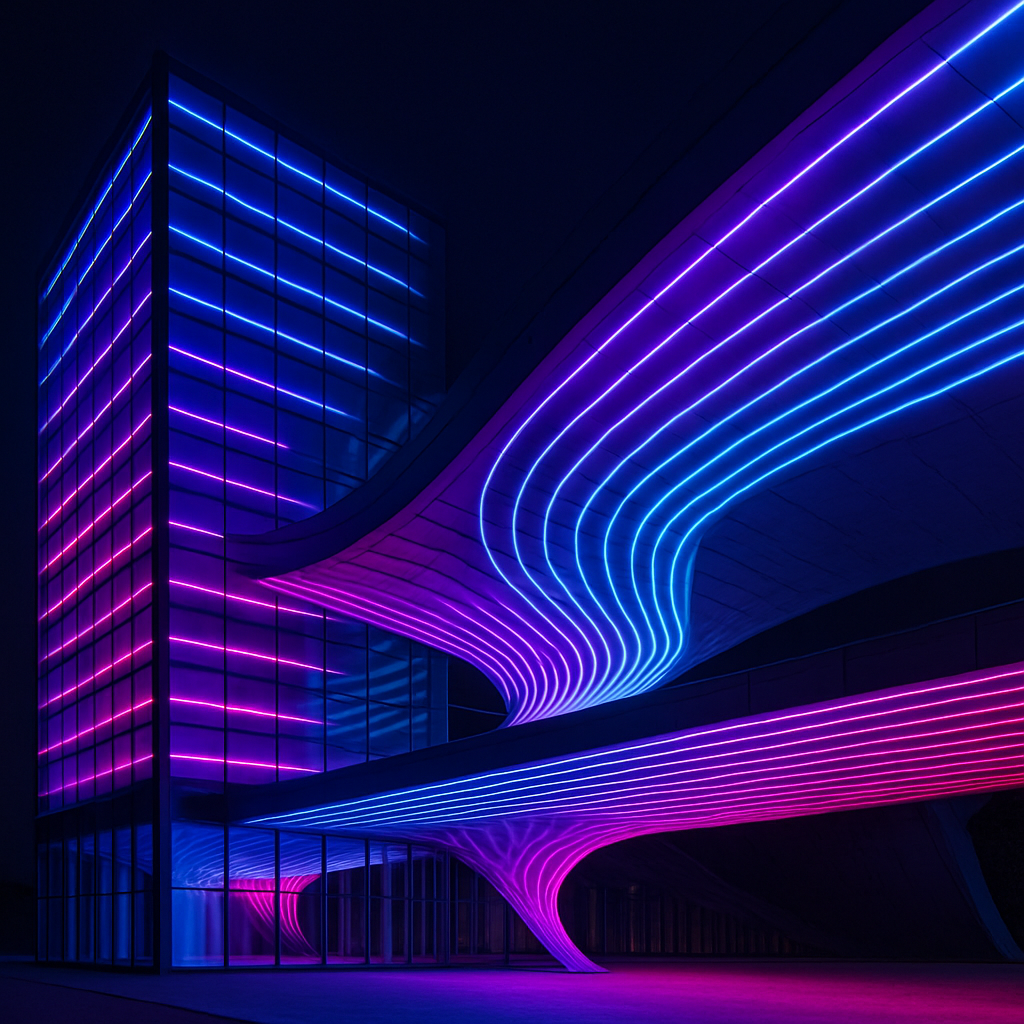
Transparent LED displays are a marvel of modern engineering. Unlike traditional LED screens, these displays allow light to pass through, making them see-through. This characteristic opens up a world of possibilities for creative and practical applications.
How Does It Work?
Transparent LEDs use a matrix of LED lights mounted on a transparent substrate. The key is the spacing between the LEDs, which allows for visibility through the display. This design maintains transparency while still displaying vibrant images and videos.
Advantages Over Traditional Displays
- Aesthetic Appeal: Transparent LEDs blend seamlessly into their surroundings, making them ideal for applications where appearance is crucial.
- Energy Efficiency: These displays often consume less power than traditional screens, making them a sustainable choice.
- Versatility: They can be customized for various shapes and sizes, catering to diverse needs.
Applications of Transparent LED Displays

The versatility of transparent LED technology means it can be used in many different fields. Let’s explore some of the most exciting applications.
Retail and Advertising
In the competitive world of retail, standing out is essential. Transparent LED window displays offer a dynamic way to attract customers. These displays can showcase products, promotions, and brand messaging without obstructing the view into the store. As a result, they create an engaging customer experience while maintaining the open feel of the retail space.
Architecture and Interior Design
Architects and designers are increasingly incorporating transparent LED displays into buildings. These displays can be used for artistic installations, information displays, or even as part of the building’s facade. They provide a modern aesthetic that can transform any space into a futuristic environment.
Events and Exhibitions
Transparent LED posters are becoming popular at events and exhibitions. They offer a unique way to present information and captivate audiences. Whether it’s a trade show or a live performance, these displays enhance the visual experience without being intrusive.
The Technology Behind Transparent LEDs
To appreciate the future of transparent LED technology, it’s important to understand the technology itself.
The Components
- LED Chips: The light-emitting diodes that produce the image.
- Transparent Substrate: A clear material, such as glass or acrylic, where the LEDs are mounted.
- Driver ICs: Integrated circuits that control the LEDs.
- Power Supply: Provides the necessary electricity to operate the display.
Manufacturing Process
The production of transparent LED displays involves precise engineering. The LEDs are carefully placed on the substrate, ensuring the right balance between brightness and transparency. The process requires advanced manufacturing techniques to achieve the desired quality and performance.
Future Trends in Transparent LED Technology

As technology continues to evolve, so does the potential for transparent LEDs. Here are some trends to watch for in the coming years.
Increased Interactivity
Future transparent displays may offer touch capabilities, allowing users to interact directly with the content. This interactivity can enhance user engagement and open up new possibilities for applications in education and entertainment.
Higher Resolution and Brightness
Advancements in LED technology are expected to lead to higher resolution and increased brightness. This improvement will make transparent displays even more appealing for high-end applications, such as digital art and broadcast media.
Wider Adoption in New Industries
While retail and architecture are currently leading the way, other industries are beginning to explore transparent LED technology. Automotive manufacturers, for example, are considering transparent displays for vehicle windshields, offering heads-up displays for navigation and information.
Challenges and Considerations
Despite its potential, transparent LED technology does face some challenges.
Cost
The production and installation of transparent LED displays can be costly. However, as the technology matures and becomes more widespread, prices are likely to decrease, making it accessible to a broader audience.
Durability
Transparent LED displays are often more delicate than traditional screens. Ensuring they can withstand environmental factors, such as weather and physical impact, is a key consideration for manufacturers.
Privacy Concerns
In some applications, particularly in architecture, the see-through nature of transparent displays can raise privacy issues. Balancing transparency with privacy is an ongoing challenge that needs addressing.
Conclusion
Transparent LED technology represents a significant leap forward in display technology. Its ability to combine functionality with aesthetics opens up a myriad of possibilities across various industries. As the technology continues to develop, we can expect even more exciting applications and improvements in transparency, brightness, and interactivity.
The future of transparent LED technology is bright, and its potential is only beginning to be realized. Whether in retail, architecture, or beyond, transparent LED displays are poised to change the way we see and interact with the world around us.“`