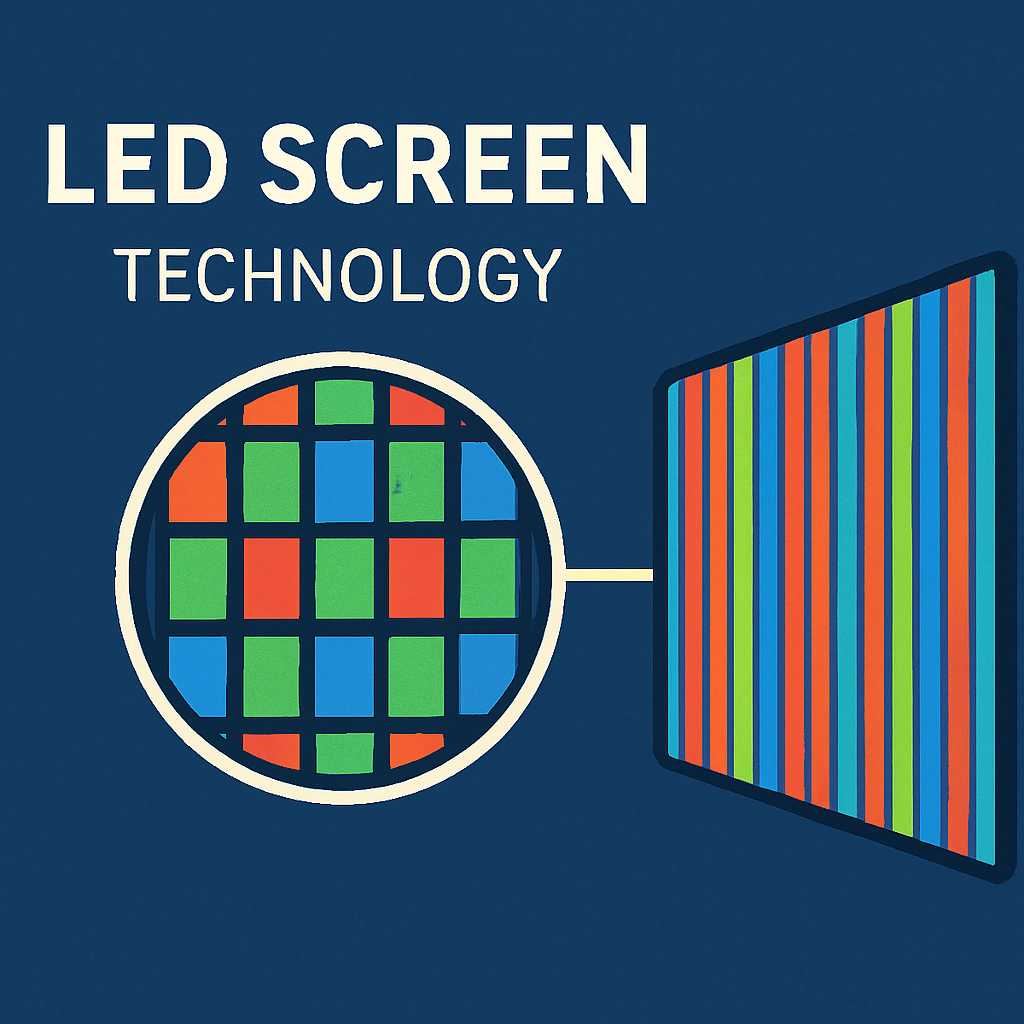
LED screens, or Light Emitting Diode screens, consist of numerous small diodes that emit light when an electric current is applied. These diodes are organized into clusters to form pixels, which are the fundamental units of a digital image. The concept of pixel pitch is crucial, as it refers to the distance between the centers of two adjacent pixels. Measured in millimeters, this distance significantly influences the screen’s resolution and clarity. A tighter pixel pitch generally translates to a crisper image, which is especially noticeable in high-resolution displays.
The Importance of Pixel Pitch
The pixel pitch is a defining factor in determining the quality and clarity of an LED screen. A smaller pixel pitch indicates a higher pixel density, resulting in sharper images and enhanced clarity, particularly at close viewing distances. This makes it ideal for environments where viewers are near the screen. Conversely, a larger pixel pitch might be more suitable for settings where the screen is viewed from farther away, as it can cover larger areas without losing image integrity. Understanding this relationship can help optimize the visual experience based on the intended audience’s viewing distance.
What is P2.5 Indoor LED Screen?
A P2.5 LED screen features a pixel pitch of 2.5 millimeters. This specification means that the distance between the centers of two adjacent pixels is precisely 2.5mm, which affects both the resolution and the viewing experience. P2.5 screens are often selected for indoor applications where viewers are positioned at a moderate distance from the screen, balancing cost with visual performance.
Advantages of P2.5 LED Screens
- Cost-Effective: P2.5 screens are generally more affordable than their smaller-pitch counterparts, making them a budget-friendly option for many businesses. This affordability allows organizations to deploy high-quality screens without exceeding financial constraints.
- Sufficient Clarity for Medium Distances: Ideal for viewing distances of 10 feet or more, these screens provide clear and vibrant images that are perfect for larger indoor venues. This makes them suitable for settings like shopping malls and airports, where space is ample, and viewers are typically a moderate distance away.
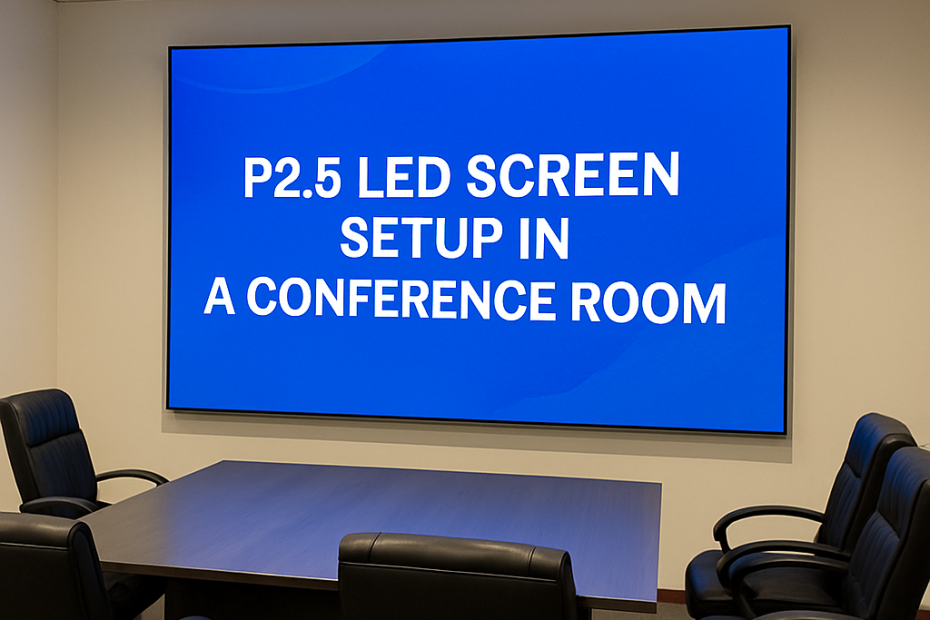
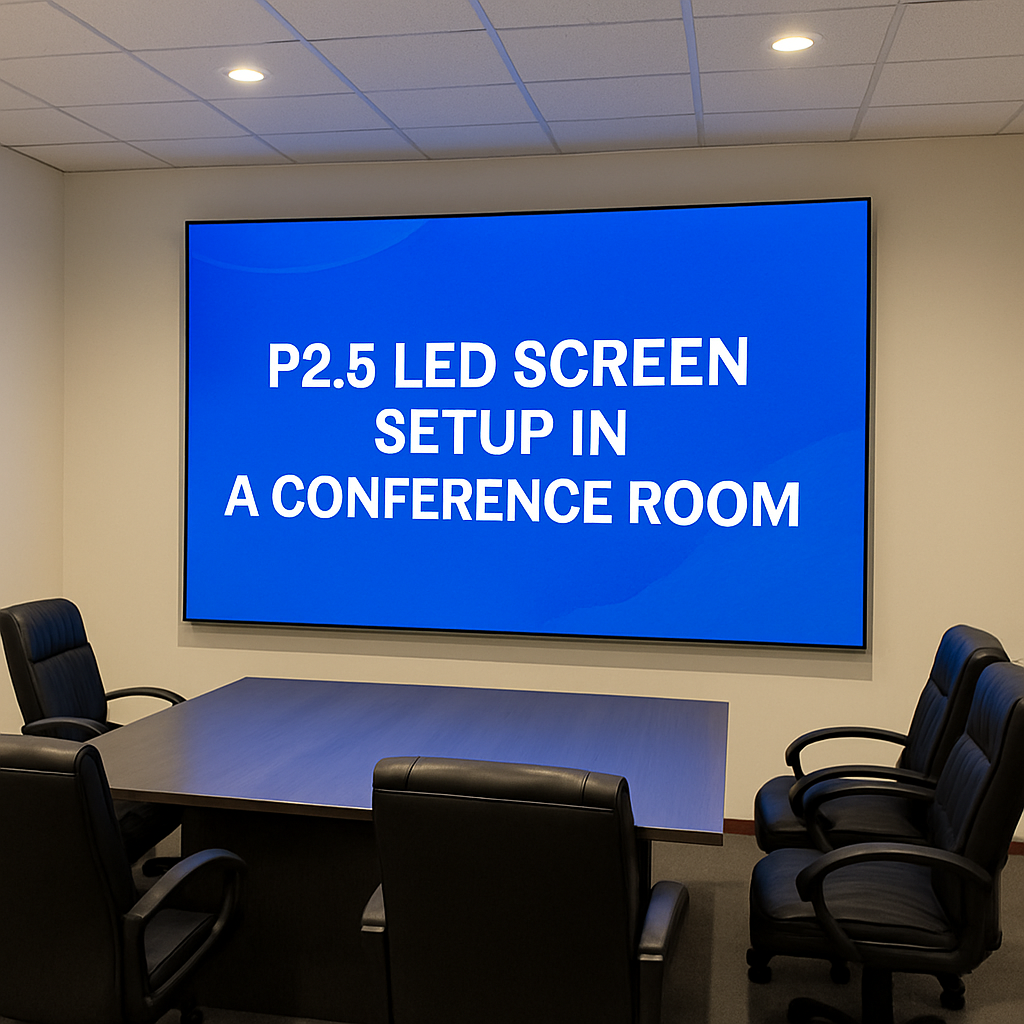
- Versatile Applications: These screens are suitable for a wide array of uses, including conference rooms, retail displays, and indoor advertising. Their versatility allows them to adapt to different environments, providing effective communication and engagement in various contexts.
What is P1.25 Indoor LED Screen?
P1.25 LED screens boast a pixel pitch of 1.25 millimeters, offering significantly higher pixel density compared to P2.5 screens. This makes them ideal for environments where high-resolution and close-up viewing are essential, providing an exceptional visual experience.
Advantages of P1.25 LED Screens
- Exceptional Clarity: With a higher pixel density, P1.25 screens deliver exceptionally sharp and detailed images, making them perfect for environments where viewers are close to the screen. This clarity ensures that even the finest details in images and videos are discernible.
- Enhanced Viewing Experience: They offer a more immersive viewing experience, which is particularly beneficial for high-end retail displays and control rooms where precise visual detail is critical. This immersion can help engage viewers more deeply, enhancing the overall impact of the displayed content.
- High-Resolution Content: P1.25 screens are capable of displaying ultra-high-resolution content, making them suitable for applications that require intricate visuals, such as digital art exhibits and professional presentations. Their ability to render high-definition content ensures that complex graphics and text are displayed with precision.
Comparing P2.5 and P1.25 Indoor LED Screens
Image Quality
The most noticeable difference between P2.5 and P1.25 screens is the image quality. P1.25 screens offer superior image clarity due to their higher pixel density, making them ideal for close-range viewing. This is crucial for applications where detailed observation is necessary, such as in museums or art galleries. P2.5 screens, while still providing good image quality, excel in mid-range viewing distances, where the focus is on reaching a broader audience rather than highlighting minute details.
Cost Considerations
P1.25 screens tend to be more expensive due to their higher pixel density and the advanced technology required to achieve such clarity. This increased cost is justified by the enhanced visual performance they offer. On the other hand, P2.5 screens are more cost-effective, making them a popular choice for businesses on a budget. This cost efficiency allows for broader deployment across various locations without sacrificing essential visual quality.
Application Suitability
- P2.5 Screens: Best suited for applications where the audience is at least 10 feet away, such as in shopping malls, airports, or large conference halls. Their ability to maintain image quality over larger distances makes them practical for wide-reaching displays.
- P1.25 Screens: Ideal for environments where viewers are in close proximity, such as retail stores, museums, and control rooms. Their high resolution is perfect for settings that demand detailed visual information and engagement.
Choosing the Right Screen for Your Needs
When deciding between P2.5 and P1.25 indoor LED screens, consider the following factors:
- Viewing Distance: Determine how close your audience will be to the screen. For close proximity, opt for P1.25 for the best image quality. For broader applications, where viewers are farther away, P2.5 screens offer an adequate balance of clarity and reach.
- Budget: Assess your budget constraints. If cost is a major factor, P2.5 screens provide a good balance between quality and affordability. However, investing in P1.25 screens may be worthwhile for applications requiring high precision and detail.
- Content Type: Consider the type of content you’ll be displaying. High-resolution content will benefit from the clarity of P1.25 screens, while less detailed displays can effectively utilize P2.5 screens without compromising viewer engagement.
Conclusion

Choosing between P2.5 and P1.25 indoor LED screens depends largely on your specific needs, including viewing distance, budget, and the type of content you plan to display. P2.5 screens are great for medium-distance viewing and offer cost-effective solutions for large spaces, while P1.25 screens provide superior image quality for close-range viewing, ideal for detailed and immersive experiences.
By understanding the differences and advantages of each screen type, you can make an informed decision that best suits your indoor display requirements. Whether you’re setting up a screen for advertising, informational, or entertainment purposes, selecting the right LED technology is key to achieving the desired visual impact. This choice will enhance the viewer experience and ensure that your display meets the demands of your specific environment and audience.