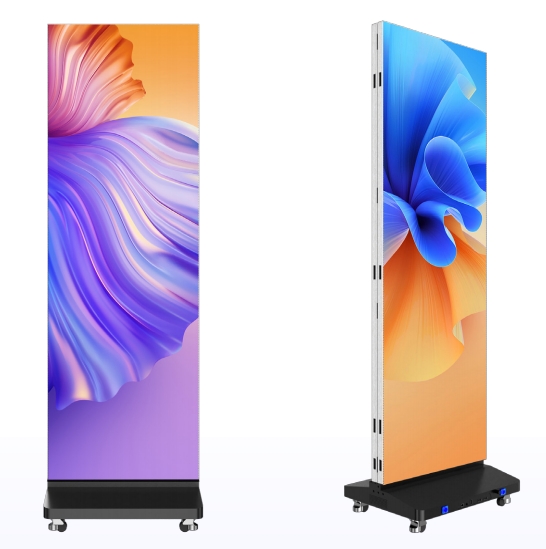
In today’s digital landscape, LED display screens have transformed how we communicate visually—from colossal Times Square billboards to intricate data presentations in boardrooms. Yet selecting the right LED display remains a complex challenge for most buyers. This comprehensive guide breaks down the essential factors, helping you make informed investment decisions.

Catalogue
- Understanding LED Display Types & Applications
- Critical Selection Parameters Explained
- LED Display Technology Trends 2025
- Cost Analysis & ROI Considerations
- Vendor Selection & Project Implementation
- Frequently Asked Questions (FAQ)
- Future Outlook & Purchasing Recommendations
1. Understanding LED Display Types & Applications
Indoor LED Displays: Precision and Clarity
Indoor screens prioritize pixel density and viewing comfort:
- Fine-Pitch LED (P1.2-P2.5): Minimal pixel spacing ideal for control rooms, high-end meeting rooms
- Standard Indoor LED (P2.5-P4): Balanced cost-performance for retail malls, exhibition halls, hotel ballrooms
- Creative Irregular Screens: Cylindrical, curved shapes for enhanced spatial design
Outdoor LED Displays: Durability and Brightness
Outdoor environments demand robust performance:
- Advertising/Information Screens (P6-P10): Building facades, public squares (5,000+ nits brightness)
- Rental Stage Screens: High refresh rate (≥3840Hz), quick assembly for concerts and events
- Transportation Signage: Maximum reliability for all weather conditions
2. Critical Selection Parameters Explained
Pixel Pitch (P Value) Calculation
Pixel pitch directly determines optimal viewing distance:
Minimum Viewing Distance (meters) = Pixel Pitch (mm) × 1.5
Optimal Viewing Distance (meters) = Pixel Pitch (mm) × 3
Examples:
- P3 screen: Minimum 4.5m, Optimal 9m
- P6 screen: Minimum 9m, Optimal 18m
Brightness Selection Strategy
- Complete Darkness: 300-800 nits (cinemas, dark exhibition spaces)
- Normal Indoor Lighting: 800-1,500 nits (shopping malls, conference rooms)
- Bright Indoor/Semi-Outdoor: 2,000-4,000 nits (window areas, covered outdoor spaces)
- Direct Sunlight Outdoor: 5,000-8,000+ nits
Refresh Rate & Grayscale Importance
High refresh rate (≥1920Hz) and grayscale (16bit+) ensure:
- No flickering or moiré patterns during camera capture
- Smooth color gradients without banding
- Clear fast-motion visuals without ghosting
Reliability & Protection Standards
- IP Rating: Outdoor screens require IP65+ (fully dustproof, waterproof against jets)
- Thermal Management: Automatic temperature regulation prevents overheating
- Weather Resistance: Special coatings for harsh environments
3. LED Display Technology Trends 2025
Micro LED Breakthrough
- Self-emissive pixels (no backlight required)
- Exceptional contrast ratios (1,000,000:1)
- Extended lifespan (100,000+ hours)
- Wider color gamut (>110% NTSC)
COB (Chip on Board) Packaging
- Enhanced durability with washable surfaces
- Superior heat dissipation
- Enables smaller pixel pitches
Integrated Smart Systems
- Built-in content management
- Automatic brightness adjustment (ambient light sensing)
- Remote monitoring with failure alerts
- Energy optimization features
4. Cost Analysis & ROI Considerations
Initial Investment Breakdown:
- Screen hardware (50-70%)
- Control system (10-15%)
- Mounting structure (5-10%)
- Installation & commissioning (10-20%)
- Content production (5-10%, initial)
Ongoing Operational Costs:
- Power consumption: 200-400W per square meter per hour
- Maintenance: 1-3% of hardware value annually
- Content updates
ROI Timeline:
- Advertising displays: Typically 2-4 year payback period
- Corporate branding: Significant but hard-to-quantify brand value enhancement
- Information displays: Measurable operational efficiency gains
5. Vendor Selection & Project Implementation
Qualified Suppliers Should Provide:
- Minimum 3 comparable successful case studies
- Complete product certifications (CE, RoHS, 3C, etc.)
- Clear technical support response time commitments
- At least 2-year comprehensive warranty
Key Project Implementation Steps:
- Site Survey: Measure installation space, assess structural/electrical conditions
- Solution Design: Determine specifications based on viewing parameters
- Content Planning: Design content early—affects screen aspect ratio choices
- Installation & Commissioning: Professional implementation for safety and performance
- Training & Handover: Comprehensive operator training
6. Frequently Asked Questions (FAQ)
Q1: What is the typical lifespan of an LED display?
A: High-quality LED displays offer a theoretical lifespan up to 100,000 hours. With 10-hour daily use, this translates to approximately 27 years. However, actual lifespan depends on environment, thermal management, and usage intensity. Brightness typically degrades to 50% after 5-8 years, when maintenance or replacement should be considered.
Q2: Can indoor LED screens be used outdoors?
A: Absolutely not. Indoor displays lack the waterproofing, dustproofing, UV protection, and thermal management required outdoors. Their brightness is insufficient for sunlight conditions. Outdoor use will cause rapid failure and poor visibility.
Q3: What size is appropriate for fine-pitch LED (e.g., P1.5)?
A: While fine-pitch offers superior clarity, costs increase significantly. Recommended ranges:
- P1.5: 10-30 m², viewing distance 2-5m
- P1.8: 15-50 m², viewing distance 3-8m
- P2.5: 20-100 m², viewing distance 4-15m
Oversized fine-pitch screens are cost-prohibitive, with clarity advantages wasted in distant viewing areas.
Q4: How is LED display power consumption calculated?
A: Formula: Power (kWh) = Screen Area (m²) × Power Density (W/m²) × Usage Hours ÷ 1000
Example: 20m² P3 indoor screen (400W/m²), 10 hours daily:
20 × 400 × 10 ÷ 1000 = 80 kWh/day
Actual consumption varies with content (white backgrounds consume most, black least).
Q5: How can I evaluate LED display quality?
A: Assess these key aspects:
- Flatness: Surface uniformity, no protrusions or depressions
- Color Consistency: Even coloration across white, red, green, blue test patterns
- Refresh Rate Test: Use smartphone camera to check for scanning lines
- Grayscale Performance: Smooth gradients without banding in grayscale test
- Viewing Angle: Minimal color/brightness shift from side angles
Q6: How often do LED displays require maintenance?
A: Maintenance frequency depends on environment:
- Clean indoor spaces: Surface cleaning every 6-12 months
- Dusty indoor environments: Cleaning every 3-6 months
- Outdoor installations: Inspection and cleaning every 1-3 months, especially before/after rainy seasons
- High-usage applications: Quarterly connection and module checks
Most manufacturers recommend annual professional inspections.
Q7: What infrastructure is needed for LED display installation?
A: Critical requirements include:
- Electrical Supply: Dedicated circuits with adequate capacity (consider peak power)
- Structural Support: Walls or frameworks supporting 1.5× screen weight (including structure)
- Thermal Management: Adequate ventilation space (≥50cm indoor, ≥100cm outdoor)
- Network Connectivity: Stable wired network connection
- Maintenance Access: Sufficient space behind or beside screen for servicing
Q8: What’s the difference between transparent and conventional LED displays?
A: Key distinctions:
- Transparency: Transparent screens offer 30-70% light transmission; conventional screens are opaque
- Installation: Transparent screens mount inside glass windows; conventional screens require solid backing
- Viewing Experience: Transparent screens allow see-through effects (ideal for retail windows); conventional screens deliver fuller colors
- Applications: Transparent for storefronts, building facades; conventional for advertising, stage backdrops
7. Future Outlook & Purchasing Recommendations
LED display technology continues evolving toward higher resolution, lower energy consumption, and more flexible form factors. When selecting:
- Avoid Overprioritizing Latest Tech: Mature technologies often offer better value and stability
- Consider Future Expansion: Allow for interface and space provisions for upgrades
- Prioritize After-Sales Service: Reliable support outweighs one-time cost savings
- Request Site Visits: View actual installations, especially in similar applications
Selecting the right LED display requires balancing technical specifications, budget constraints, spatial considerations, and usage needs. With thorough planning and professional implementation, LED displays become powerful tools for business growth and brand communication.
Whether you’re a corporate decision-maker, event planner, or space designer, understanding LED display fundamentals helps you stand out in this visual era. In a world saturated with screens, choosing the right display solution means choosing the most effective way to connect with your audience.