
Understanding the intricacies of LED display quality involves more than just knowing the size and resolution of the screen. One of the key factors that determines the clarity and sharpness of an LED display is the pixel pitch. But what exactly is pixel pitch, and how does it affect the overall quality of an LED display? Let’s delve into the details.
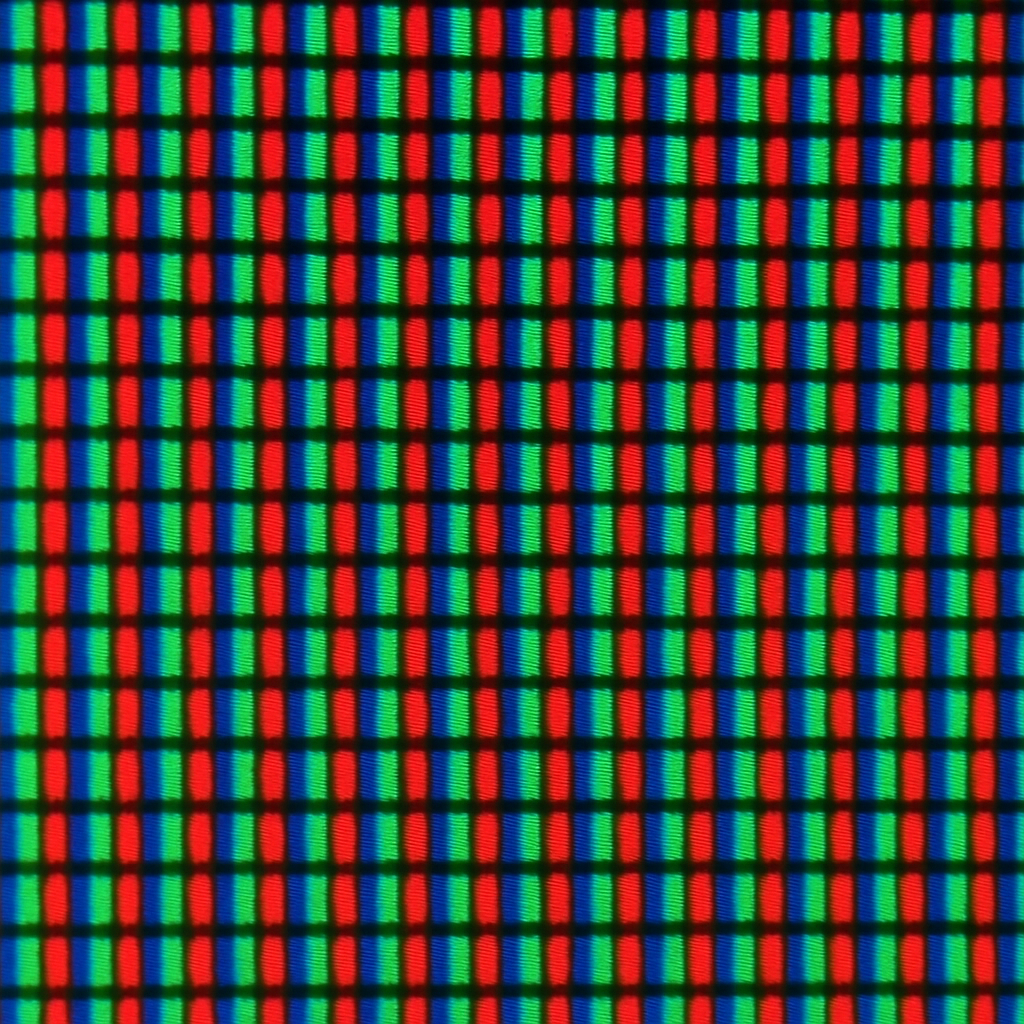
Pixel pitch refers to the distance between the centers of two adjacent pixels on an LED display, usually measured in millimeters. This measurement is crucial because it directly influences the resolution and quality of the displayed image. The smaller the pixel pitch, the closer the pixels are to each other, resulting in higher pixel density and better image clarity.
The Science Behind Pixel Pitch
In simpler terms, pixel pitch is like the spacing between the dots that make up the image on your screen. Imagine looking at a dot painting—if the dots are closer together, the image appears smoother and more detailed. Conversely, if the dots are spaced further apart, the image looks coarse and pixelated.
How Pixel Pitch Affects Screen Resolution
When it comes to screen resolution, pixel pitch plays a significant role. Higher resolution displays have smaller pixel pitches, which means they can pack more pixels into the same amount of space. This results in crisper and more detailed images.
Comparing Pixel Pitch and Resolution
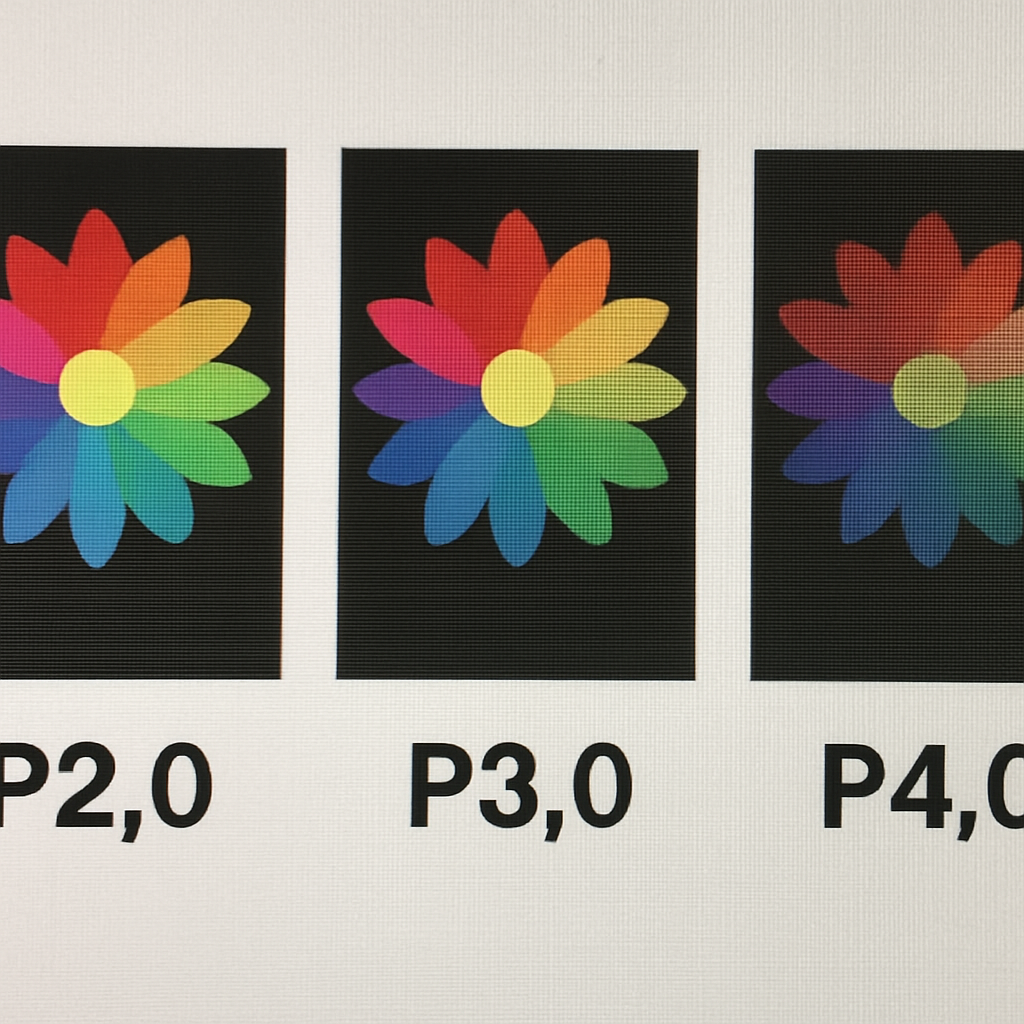
A common misconception is that a larger screen automatically means better quality. However, without the right pixel pitch, a larger screen can look blurry and pixelated. For instance, a 1080p resolution on a large screen with a large pixel pitch may not look as sharp as the same resolution on a smaller screen with a smaller pixel pitch.
The Impact of Viewing Distance
Another critical factor to consider is the viewing distance. The optimal pixel pitch for an LED display depends on how far away the viewer will be. For example, a display intended for close-up viewing, such as a desktop monitor, requires a smaller pixel pitch for optimal clarity. On the other hand, a billboard or large outdoor display viewed from a distance can have a larger pixel pitch without compromising image quality.
Choosing the Right Pixel Pitch for Your Needs
Selecting the appropriate pixel pitch is essential for achieving the desired display quality. Here are some guidelines to help you make an informed decision.
Indoor vs. Outdoor Displays

Indoor displays generally require smaller pixel pitches due to closer viewing distances. A pixel pitch of 1.2mm to 2.5mm is typically suitable for indoor environments such as conference rooms or retail displays. For outdoor displays, where viewers are further away, a pixel pitch of 3mm or more is often sufficient.
Application-Specific Considerations
Different applications demand different pixel pitches. For example, high-definition video walls used in control rooms or broadcast studios benefit from ultra-fine pixel pitches, sometimes as low as 0.9mm. Conversely, sports stadiums or large event venues might use displays with larger pixel pitches to accommodate the greater viewing distances.
The Future of Pixel Pitch
As technology advances, the demand for higher resolution displays continues to grow. Manufacturers are constantly pushing the boundaries to create LED displays with even smaller pixel pitches. This trend is driving innovation in display technology, leading to more vibrant and detailed images.
Advances in MicroLED Technology
MicroLED technology is one of the latest developments in the display industry. It allows for much smaller pixel pitches than traditional LED displays, resulting in superior image quality. MicroLED displays are also more energy-efficient and offer better color accuracy, making them an exciting prospect for the future of display technology.
Conclusion
Pixel pitch is a fundamental aspect of LED display quality that affects everything from resolution to viewing experience. By understanding pixel pitch and its implications, you can make more informed choices when selecting an LED display for your specific needs. Whether you require a display for up-close viewing or a large outdoor screen, considering the pixel pitch will ensure you achieve the best possible image quality.
In summary, when evaluating LED displays, remember that smaller pixel pitches generally equate to higher image quality, especially for close-up applications. As technology continues to advance, we can expect even more improvements in pixel pitch and overall display performance, enhancing our visual experiences across various applications.
ScreenSculpt is a professional commercial display solutions manufacturer based in Shenzhen, founded and led by a technically experienced team. We maintain strong partnerships with leading panel manufacturers such as Samsung, LG, BOE, HKC, Innolux, and CSOT, ensuring access to premium display resources for our digital signage solutions, contact us now!