LED signage has become one of the most powerful tools for modern advertising, branding, and real-time information display. From retail storefronts and transportation hubs to corporate lobbies and outdoor billboards, LED signs deliver bright, dynamic, and highly visible content that captures attention instantly. In this guide, we’ll explore what LED signage is, how it works, and why more businesses are choosing digital displays to boost engagement and communication.
Catalogue
- What is an led signage?
- What is the main features of led signage
- LED Work Working Principle
- What are The Types of LED Digital Signage?
- How long does an led signage last?
- How to Display Content on LED Screens?
- Conclusion
What is an led signage?
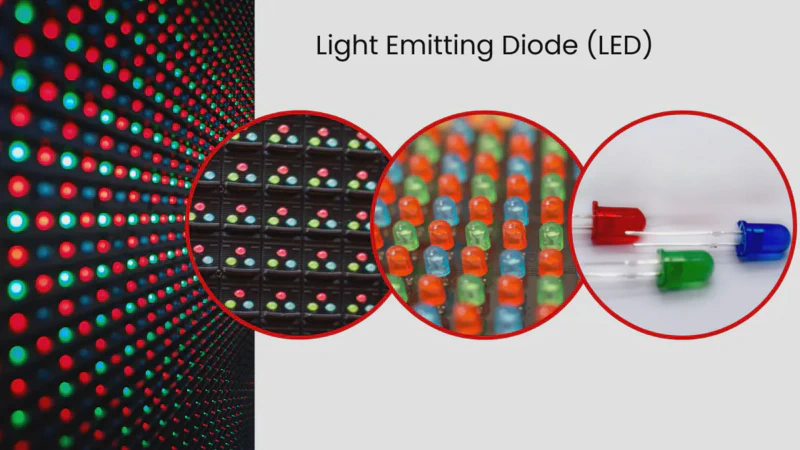
Short for Light-Emitting Diode displays, led signages are electronic devices made of tiny light bulbs that work together by emitting light when an electric current is passed through them to create images or text. The LEDs are arranged in a grid, and each LED can be turned on or off individually to produce the desired image or text.
led signages are widely used in digital signage, scoreboards, advertising billboards, and more. They are highly durable and resistant to shock and vibration. They can withstand harsh weather conditions, temperature fluctuations, and humidity, making them ideal for use in both indoor and outdoor environments.
Unlike traditional display technologies such as LCD (Liquid Crystal Display) or OLED (Organic Light Emitting Diode), led signages produce their own light, so they don’t require a backlight. This distinctive feature contributes to their superior brightness, energy efficiency, and longer lifespan.
What is the main features of led signage?
High Brightness and Clarity
One of the standout features of led signages is their ability to deliver high brightness and clarity, resulting in better visibility and readability. The inherent nature of LEDs allows for precise control over brightness levels, ensuring vivid and sharp visuals even in well-lit environments.
This characteristic makes led signages suitable for applications where visibility is paramount, such as video walls, digital menu boards, and retail displays.
Flexible Design Possibilities
led signages provide a wide range of design options as they can be customized to fit any space, whether curved, folded or unconventional, making them suitable for various uses.
Eco-Friendly Features
led signages are eco-friendly and sustainable. Unlike some older technologies, they are mercury-free, safe for disposal, and have high energy efficiency, which aligns with global efforts to combat climate change.
Durability Built-In: Anti-Collision Protection
The life of a rental display is demanding. Transportation, handling, and rapid installation cycles put immense stress on equipment. Superior products integrate protective technologies directly into their design to mitigate this wear and tear. In the industry, this often manifests as enhanced physical reinforcement. For instance, some solutions employ advanced welding techniques that significantly increase the thrust resistance of individual modules, ensuring connections remain secure.
Efficiency by Design: Rapid & Versatile Installation
Speed and flexibility on-site are critical. A unified installation system—where the same components can be used for both hanging and stacking—streamlines the entire process. This versatility allows your team to adapt to any stage configuration quickly, significantly reducing labor time and complexity.
A Seamless Visual Canvas: Superior Flatness
The difference between a good screen and a great one is often its flatness. Visible seams or a wavy surface can shatter the visual illusion. Advanced solutions achieve a perfectly uniform surface through precision locking mechanisms that pull modules together seamlessly, guaranteeing a distortion-free canvas for your content.
LED Work Working Principle
Let’s uncover the science behind led signages! So, these displays light up using super tiny bulbs called light-emitting diodes, or LEDs. These diodes consist of semiconductor materials that allow electrons to flow through them and produce energy in the form of light when an electric current is applied.
RGB:
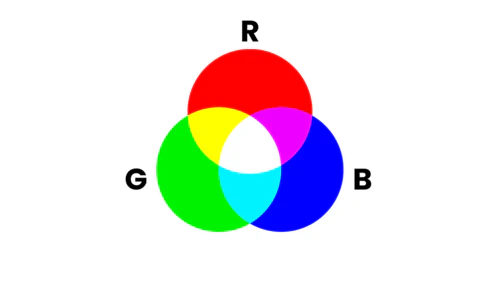
To make visuals pop with colours, LEDs typically use a combination of three primary colours: Red, Green, and Blue – we call them RGB.
Each LED emits one of these primary colours, and by mixing and adjusting the intensity of these colours, the display can produce a whole spectrum of hues, giving us the colourful digital images and text we see on LED screens.
The Refresh Rate and Frame Rate:
To keep everything moving seamlessly, led signages have a refresh rate and frame rate, ensuring that the visuals are not just colourful but also super smooth.
The Refresh Rate is how quickly the display updates the content, ensuring smooth transitions and reducing motion blur.
The Frame Rate, on the other hand, is the number of individual frames displayed per second, influencing seamless video playback, making led signages ideal for dynamic content such as videos and animations.
Resolution and Pixel Pitch:
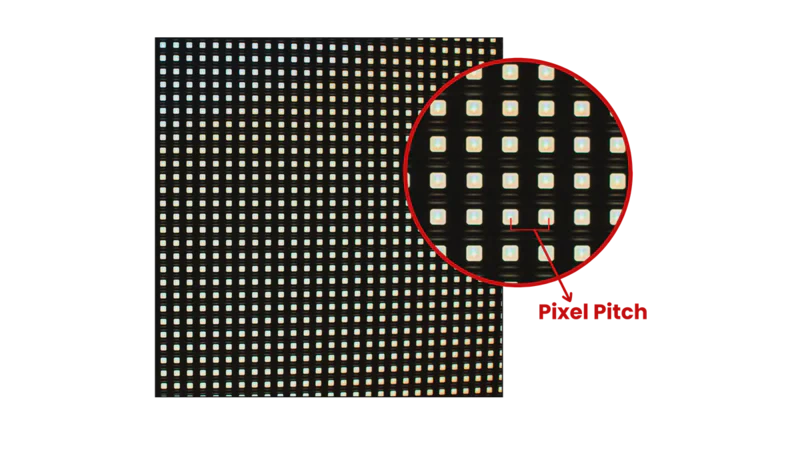
Now, the resolution and pixel pitch of an led signage determines the clarity and sharpness of images.
Resolution is the total number of pixels in the display, often expressed as the width x height (e.g. 1920×1080) – higher resolution results in more detailed visuals.
Pixel Pitch is the distance between individual pixels, affecting the overall image quality. Smaller pixel pitch values contribute to higher pixel density, enhancing the display’s ability to render intricate details.
Role of Microcontrollers:
Microcontrollers serve as the intelligence behind led signages. These powerful processors, embedded within the display system, play an important role in coordinating the activities of the LEDs.
They interpret signals from the control system and driver ICs (Integrated Circuits), ensuring accurate control of LED brightness and colour.
Connection to Control Systems:
When integrated with control systems, led signages allow for seamless transitions between images, videos, and interactive content.
Acting as the command centre, control systems use specialised software to communicate with microcontrollers and dictate the display’s behaviour and content. This connection also enables remote management and dynamic updates. It can also be compatible with external devices and networks.
Understanding these factors is important for choosing the correct led signage based on the intended use and desired visual experience.
What are The Types of LED Digital Signage?
led signages come in various forms, each tailored to meet specific needs and create impactful visual experiences.
LED Video Walls:
LED video walls are multiple LED panels that seamlessly combine to form a large, cohesive screen. Large venues, control rooms, and retail stores widely use these walls to deliver attention-grabbing content.
LED Billboards and Signage:
The cityscape is often adorned with the brilliance of LED billboards and signage. These displays serve as dynamic platforms for advertising and information sharing. Whether towering over urban centres or lining highways, LED billboards captivate audiences with bright visuals, high contrast, and the ability to showcase dynamic content, making them a preferred choice for outdoor advertising.
LED TVs and Monitors:
These displays deliver sharp images, vibrant colours, and energy-efficient performance.
Curved led signage:
The curved led signage takes the visual immersion to the next level by bending the screen to match the natural curvature of the human eye. These displays find applications in gaming setups, home theatres, and exhibitions, offering a captivating visual experience.
Flexible and Transparent led signages:
Flexible led signages push the boundaries of traditional screens, allowing for curved or even rollable configurations.
Transparent led signages maintain see-through properties, offering transparency while displaying content. These types of displays find use in retail, exhibitions, and museums.
Mirco led signages:
They utilise tiny individual LED chips, offering enhanced brightness and contrast. With applications ranging from high-end TVs to AR (Augmented Reality) and VR (Virtual Reality) devices, micro LED technology is paving the way for ultra-high-resolution displays with superior colour reproduction.
Interactive led signages:
Interactive led signages are used in education, exhibitions, and retail. They respond to touch or gestures, allowing users to interact with the content in real time. Interactive displays with more advanced technologies, such as motion sensors and cameras, offer users a highly immersive experience.
How much power do led signages consume?
led signages are renowned for their energy efficiency. Unlike traditional lighting sources that waste a significant amount of energy as heat, LEDs convert almost all their energy into light, which not only results in brighter displays but also lower electricity bills.
How long does an led signage last?
led signages have a longer lifespan compared to traditional displays. The solid-state nature of LEDs means they are less prone to wear and tear, ensuring prolonged operational life. This makes led signages a cost-effective option for businesses and organisations, as there will be fewer maintenance costs.
Most high-quality LED signage has a lifespan of 50,000 to 100,000 hours, depending on the LED components, usage conditions, and maintenance. This translates to 5–10 years of continuous operation, and even longer for indoor installations or screens that don’t run 24/7.
Key Factors That Affect LED Signage Lifespan
1. LED Quality
Premium LEDs (Nationstar, Kinglight, Nichia, etc.) generally last longer, maintain color consistency, and resist brightness decay.
2. Usage Hours
A screen running 8–12 hours per day will last significantly longer than a display running 24/7.
3. Environment
Outdoor LED signs face heat, UV exposure, rain, and dust—so their components age faster than indoor signage.
4. Heat Management
Good heat dissipation (power supply spacing, PCB design, aluminum cabinet) can extend lifespan and prevent early LED failure.
5. Brightness Settings
Running the display at maximum brightness all the time accelerates light decay. Using auto-brightness control helps extend longevity.
6. Maintenance
Regular cleaning, module checks, and power supply inspections keep the display stable for many years.
How to Display Content on LED Screens?
Displaying content on LED screens is simple once you understand the available methods. You can control LED displays through various hardware and software solutions depending on the screen type, installation environment, and your content needs.
- Using a Built-In Media Player (Plug & Play)
2. Insert the USB into the LED screen
3. Control via Mobile App
4. Computer/Software Control
5. Cloud-Based Content Management System (CMS)
6. HDMI/Video Input
7. External Media Players
To display content on LED screens, you can use:
| Method | Difficulty | Best For |
| USB Plug & Play | ★☆☆ | Simple ads, retail |
| Mobile App | ★☆☆ | LED posters, windows |
| PC Software | ★★☆ | Large LED walls |
| Cloud CMS | ★★★ | Multi-location networks |
| HDMI Input | ★☆☆ | Events, live presentations |
| External Media Player | ★★★ | Advanced content playback |
Conclusion
Displaying content on LED screens is flexible and easy, whether you’re using a simple USB plug-and-play method or a powerful cloud-based control system. From mobile apps to professional software like NovaStar and Colorlight, you can choose the control option that fits your project size, content needs, and budget. By selecting the right playback method, you’ll ensure smooth, dynamic, and high-quality visuals for advertising, events, retail, or any digital signage application.
If you’re looking for a transformative solution, explore the world of Ruishitai Display and led signages. The perfect companion for businesses aiming to amplify their visual communication impact.