
Introduction
In the digital age, LED screens have become an indispensable part of our lives. From smartphones to giant billboards, from home televisions to professional stages, LED technology is transforming how we receive information at an astonishing pace. This blog will provide an in-depth exploration of LED screen technology, covering its working principles, different types, application scenarios, and future trends, offering a comprehensive understanding of this revolutionary display technology.

Catalogue
- What is an LED Screen?
- Main Types of LED Screens
- Core Advantages of LED Screens
- Key Application Scenarios
- Key Factors to Consider When Choosing an LED Screen
- Future Trends for LED Screens
- Maintenance & Care Tips
- FAQ
- Conclusion
What is an LED Screen?
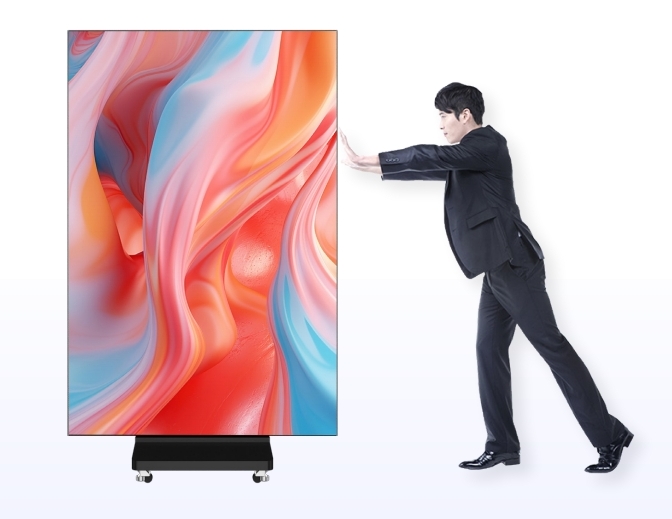
An LED (Light Emitting Diode) screen is a display panel composed of numerous tiny LED lights. Unlike traditional LCD screens that use a backlight, each pixel in an LED screen emits its own light. This results in higher contrast ratios, more vibrant colors, and lower energy consumption.
How LED Screens Work
Each LED pixel is typically made up of red, green, and blue sub-pixels. By adjusting the brightness of these three colors, millions of hues can be produced. A control circuit precisely manages the brightness and color of each pixel to form a complete image.
Main Types of LED Screens
1. Conventional LED Displays
- Dual In-line Package (DIP) LEDs: Commonly used for large outdoor screens, featuring high brightness and long viewing distances.
- Surface-Mounted Device (SMD) LEDs: Higher pixel density and wider viewing angles, suitable for various indoor and outdoor applications.
2. Mini LED
Mini LEDs are a miniaturized version of conventional LEDs, with sizes ranging from 100 to 300 micrometers. By using thousands or even tens of thousands of these tiny LEDs as backlight sources, Mini LED displays enable finer local dimming, significantly improving contrast and color performance.
3. Micro LED
Often considered the “holy grail” of display technology, Micro LEDs are smaller than 100 micrometers, with each pixel capable of emitting its own light independently. They combine the superior display qualities of OLED with the long lifespan and high brightness of traditional LEDs. However, costs remain high, and mass-production technology is still evolving.
4. OLED and QLED
While often compared to LED, OLED (Organic Light Emitting Diode) and QLED (Quantum-dot Light Emitting Diode, which is technically a quantum-dot-enhanced LCD technology) are based on different principles. Both are key players in the high-end display market.
Core Advantages of LED Screens
1. Exceptional Picture Quality
- High Contrast: Especially with Micro LED and Mini LED, enabling true blacks.
- Wide Color Gamut: Capable of covering a broader color space.
- High Brightness: Excellent outdoor visibility and impressive HDR performance.
2. Energy Efficiency & Environmental Friendliness
LED screens are 30-50% more energy-efficient than traditional display technologies and have a longer lifespan (up to 100,000 hours), reducing electronic waste.
3. Flexibility & Creative Design
Flexible LED screens can be bent, folded, and shaped into curved, cylindrical, or even wearable displays, offering limitless possibilities for architectural design, retail displays, and artistic installations.
4. Seamless Tiling & Large Sizes
LED modules can be seamlessly assembled into screens of virtually any size and shape without the bezel issues common in traditional tiled displays.
Key Application Scenarios
Commercial & Advertising
- Outdoor Advertising Billboards: Urban landmarks for high-impact visual marketing.
- In-Store Retail Displays: Dynamic pricing labels, interactive product showcases.
- Corporate Lobbies & Showrooms: Brand image presentation, information dissemination.
Professional Fields
- Broadcasting & Production: Studio video walls, virtual production (e.g., the LED Volume technology used in Disney’s The Mandalorian).
- Control & Monitoring Rooms: Stable 24/7 operation, multi-screen display capabilities.
- Medical Displays: High-precision surgical visualization.
Entertainment & Events
- Concerts & Stages: Immersive visual experiences.
- Sports Stadiums: Instant replays, scoreboards, interactive content.
- Cinemas: Emerging LED cinema screens replacing traditional projectors.
Consumer Market
- Home Televisions: Mini LED TVs are becoming mainstream in the high-end market.
- Computer Monitors: Growing demand for gaming and professional color-critical work.
- Digital Signage: Information and wayfinding in public spaces.
Key Factors to Consider When Choosing an LED Screen
- Pixel Pitch: Determines screen resolution; choose based on viewing distance.
- Brightness: Typically 800-1500 nits for indoors, 5000+ nits for outdoors.
- Refresh Rate: A higher refresh rate reduces motion blur, ideal for dynamic content.
- Ingress Protection (IP) Rating: For outdoor use, IP65 or higher is recommended for dust and water resistance.
- Color Uniformity: Ensures consistent color across the entire screen.
- Supplier Reputation & After-Sales Service: Technical support, warranty policies.
Future Trends for LED Screens
Technological Developments
- Accelerated Commercialization of Micro LED: Costs gradually decreasing with investments from major players like Samsung and Sony.
- Growth of Transparent LED Screens: Innovative applications in retail windows, automotive HUDs, etc.
- Stretchable LED Technology: Truly flexible and deformable display devices.
- Higher Energy Efficiency: Advances in materials science will further improve energy efficiency.
Market Trends
- Popularization of Fine-Pitch LEDs: Increased penetration into high-end consumer markets like conference rooms and home theaters.
- Integration of Interactive Features: Combining touch, gesture recognition with LED screens.
- Intelligent Management: AI-driven content management and screen health monitoring.
- Sustainability Focus: Greater use of recyclable materials and energy-saving designs.
Maintenance & Care Tips
- Clean the screen surface regularly using specialized cleaners and soft cloths.
- Avoid displaying static images for extended periods to prevent image retention (for certain types).
- Ensure proper cooling system operation to prevent overheating.
- Perform regular software updates to address potential issues.
FAQ
What does “LED” stand for?
LED stands for Light Emitting Diode. An LED screen is composed of thousands or millions of these tiny light sources that illuminate individually to create images.
What’s the difference between LED, LCD, and OLED screens?
LCD (Liquid Crystal Display): Uses a backlight (often LED) behind liquid crystals. The crystals block or allow light to pass through filters.
LED Display: Technically, most “LED TVs” are LCD screens with LED backlights. True direct-view LED screens have individually lit pixels.
OLED (Organic LED): Each pixel emits its own light and can turn off completely for perfect blacks. Different technology from conventional LED/LCD.
What is pixel pitch and why does it matter?
Pixel pitch is the distance between the centers of two adjacent pixels, measured in millimeters (mm).
P4 to P10+: Outdoor advertising, stadium screens
Smaller pitch = higher pixel density = sharper image up close
Larger pitch = better for viewing from greater distances
For example:
P1.2 to P2.5: Indoor control rooms, broadcasting
P2.5 to P4: Indoor/outdoor commercial displays
What’s the lifespan of an LED screen?
Most quality LED screens last 50,000 to 100,000 hours (approximately 5-11 years of 24/7 operation). Lifespan is typically measured until brightness decreases to 50% of original (L50 rating). Actual lifespan depends on usage, environment, and maintenance.
What are Mini LED and Micro LED?
Mini LED: Uses thousands of tiny LEDs (100-300μm) as backlight zones in LCD displays for better contrast and HDR performance.
Micro LED: Each pixel is a microscopic self-emitting LED (<100μm). Offers OLED-like quality with higher brightness and no burn-in risk. Currently premium technology.
Conclusion
LED screen technology is undergoing rapid, unprecedented development. From massive stadium screens to tiny wearable devices, it is redefining the boundaries of visual experience. With the proliferation of Mini LED and the ongoing commercialization of Micro LED, the coming years will witness even thinner, brighter, more energy-efficient, and more flexible display solutions. Whether for business procurement or personal use, understanding the technical characteristics and trends of LED screens will help you make informed decisions and seize opportunities in digital visual communication.
When selecting an LED screen solution, it is advisable to consult professional suppliers based on specific application needs, budget, and installation environment for tailored advice. The future of display technology is here, and LED is at the heart of this revolution.