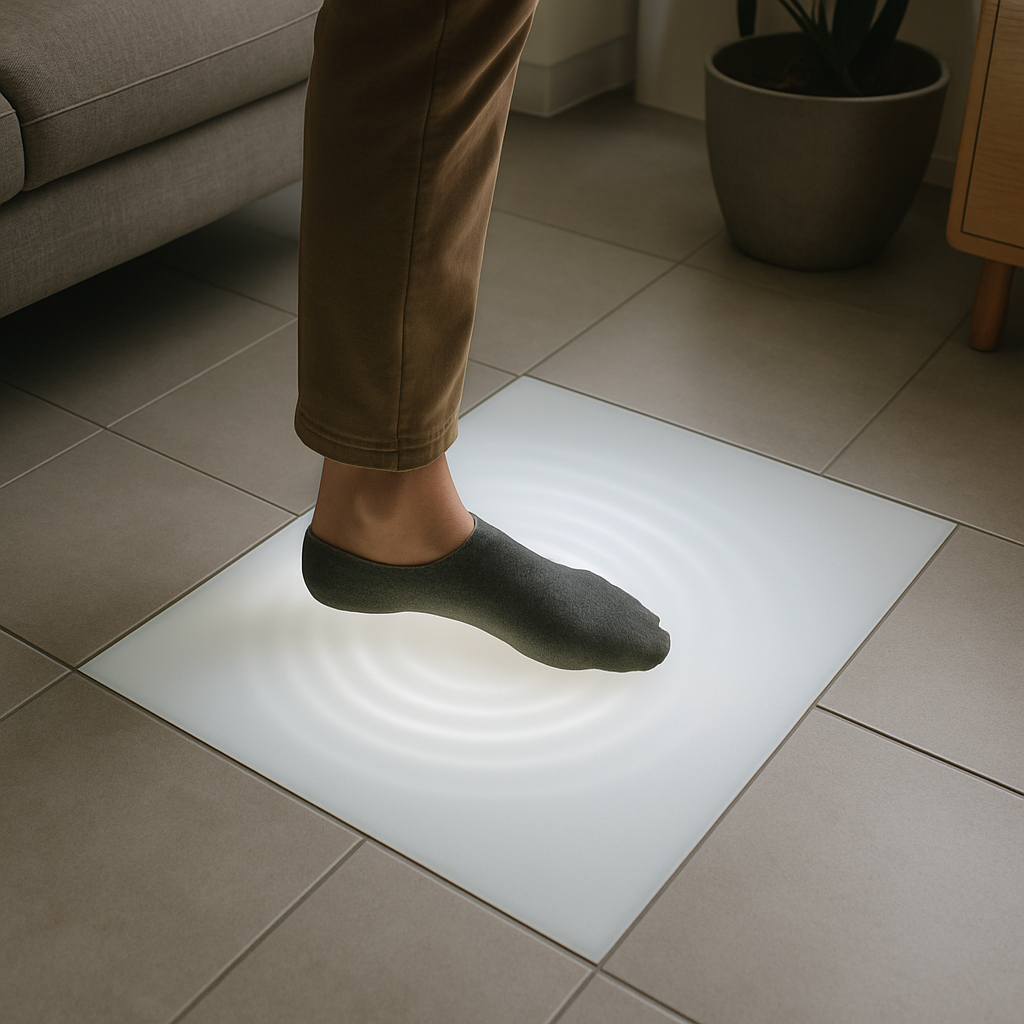
Imagine walking into a room where the ground doesn’t just sit there—it reacts. As you step, ripples of light spread from your feet like a pebble dropped in a digital pond. This isn’t science fiction, but the immersive reality of an interactive LED floor.
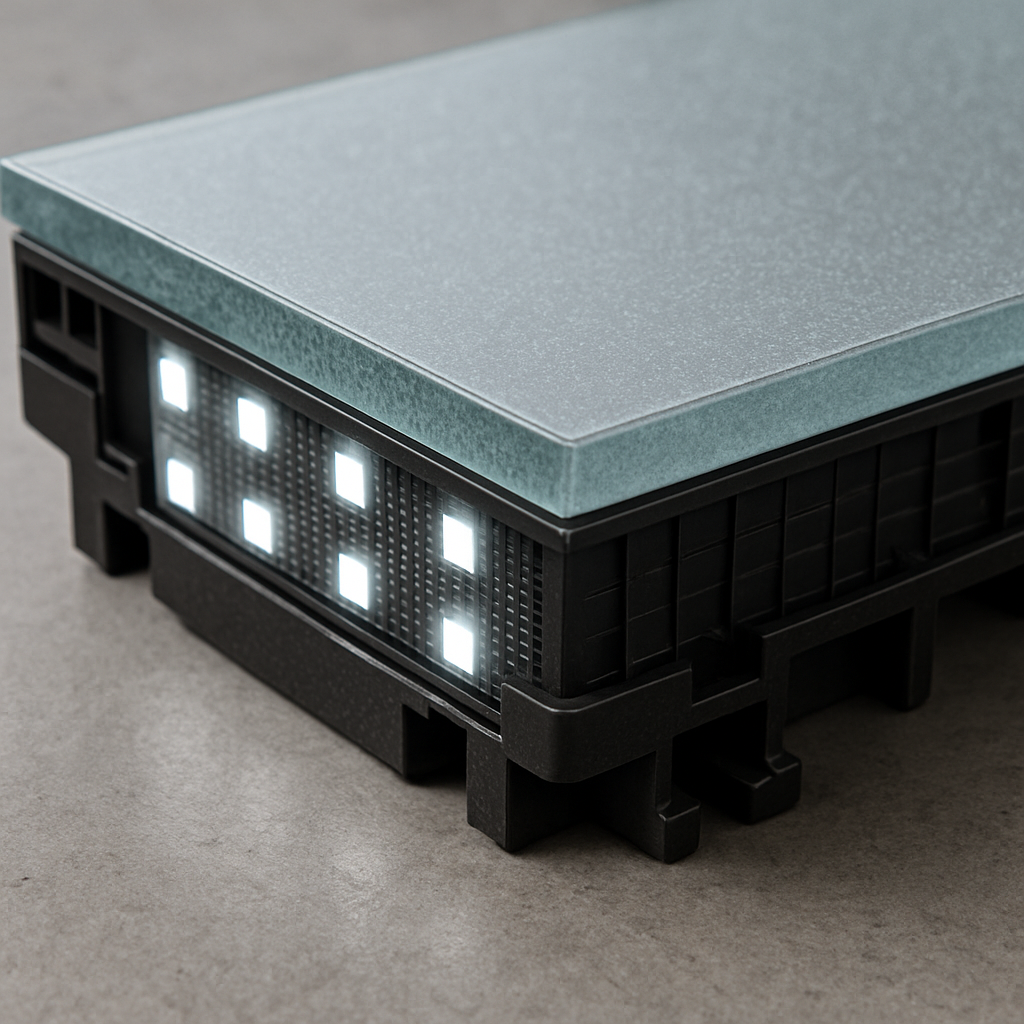
We usually treat floors as static surfaces meant to be ignored, but LED floor tiles are turning that concept upside down. Think of these modules as heavy-duty LEGO blocks with vibrant screens inside. They clip together to create a seamless display that is tough enough to dance on yet smart enough to track movement.
Whether for a wedding or a high-tech retail store, these surfaces transform dead space into a powerful tool. While light up floor tiles used to be fragile novelties, modern versions are durable design elements ready for the real world.
Why You Won’t Break the Glass: Load-Bearing Limits and Non-Slip Surfaces
Most people hesitate before stepping onto a lighted floor, fearing the glass might crack underfoot. However, modern LED tiles are engineered with tempered glass or high-strength polycarbonate designed to handle massive weight—often supporting over 500 kg (1,100 lbs) per square meter. Think of it less like stepping on a window and more like standing on a reinforced concrete block that happens to be transparent; whether it’s a car at an auto show or a crowded dance floor, the surface is built to distribute pressure evenly without buckling.
Durability extends beyond just heavy loads to how the floor handles real-world messes. Because these tiles house sensitive electronics, they rely on Ingress Protection (IP) ratings to keep dust and liquids out. A high rating, like IP65, essentially means the tile is sealed tight enough to shrug off a spilled soda in a nightclub or a sudden rain shower at an outdoor event.
To ensure an installation is truly safe for public use, specific safety metrics matter more than pixel count. Before choosing a system, verify these three protection standards:
- Load-Bearing Capacity: Ensure it can support at least 500 kg/sqm for heavy foot traffic.
- IP Rating: Look for IP65 or higher to guarantee resistance against spills and weather.
- Friction Coefficient: Confirm an anti-slip coating is applied to prevent the “ice rink” effect.
With structural integrity confirmed, the next step is making the floor react to your presence.
Giving Your Floor ‘Eyes’: How Pressure Sensors and Infrared Technology Create Interactive Magic
A standard surface does nothing but support your weight, but an interactive LED floor operates much like a giant tablet screen lying flat. To create that magical ripple effect when you step, the system needs to know exactly where you are standing. This utilizes smart sensors embedded directly into the tile’s frame, essentially giving the floor digital “eyes” that constantly scan for activity.
Two primary methods drive this responsiveness. Some systems use pressure sensitive sensing technology, which acts like a digital scale; when you step on a tile, the weight triggers a visual change. More advanced interactive digital dance floor panels often utilize infrared (IR) sensors or radar. These work by projecting an invisible grid of light just above the glass; when your foot interrupts that grid, the software instantly calculates your position to splash water or bloom flowers beneath your sneakers.
The speed of this reaction is critical for maintaining the illusion. The sensors talk to a control computer that processes the input and refreshes the image in milliseconds, ensuring the graphics stick to your movements without any lag.
Video Panels vs. Glowing Tiles: Choosing the Right Pixel Pitch
The clarity of the image beneath your feet depends entirely on a spec called “pixel pitch.” This measures the physical gap between each light dot on the tile; a lower number means the dots are packed closer together, creating a smoother, more realistic picture similar to a television screen. If the dots are spread far apart, the floor will look more like a retro lite-brite toy—charming, but incapable of showing fine details.
Deciding between high-definition video floor panels vs traditional dance floors usually comes down to viewing distance and content. If guests are looking straight down at specific details like a wedding monogram or company logo, you need a tight pixel pitch for floor displays to prevent the image from looking blocky or unreadable. However, if the goal is simply changing colors or moving geometric shapes, paying for high density is often unnecessary.
Large RGB LED floor tiles with wider spacing are perfect for abstract patterns where distinct shapes aren’t required, allowing you to save budget without sacrificing atmosphere.
From Boxes to Brilliance: The Basics of Modular LED Floor Installation
While the technology looks futuristic, the setup is surprisingly grounded in simple mechanics. Most LED floor tile installation projects rely on a rail-based frame system that snaps together like industrial puzzle pieces, ensuring the surface remains perfectly flat and stable without needing permanent cement. The process typically follows four phases:
- Leveling: Ensuring the sub-floor is smooth.
- Framing: Laying the grid of modular stage lighting components.
- Placement: Clicking individual tiles into the power-connected frame.
- Connection: Linking the grid to the main system.
Once the physical floor is secure, a central controller acts as the “brain” behind the operation. This external box sends video signals to the floor just like a cable box sends channels to your TV, allowing you to sync smart lighting with audio systems for music-reactive effects or display static branding. Because the heavy processing happens outside the floor, the tiles themselves remain lightweight and focused solely on durability and brightness.
Perhaps the biggest advantage of this modular design is simplified maintenance. If a guest spills a drink or a heavy object damages a single square, you don’t need to rip up the entire room; you simply use a suction tool to pop out the specific unit and swap in a spare within minutes. This ease of repair makes the investment much less intimidating, freeing you to focus on the creative potential of your new illuminated canvas.
Lighting Up Your ROI: Creative Design Ideas for Homes, Retail, and Events
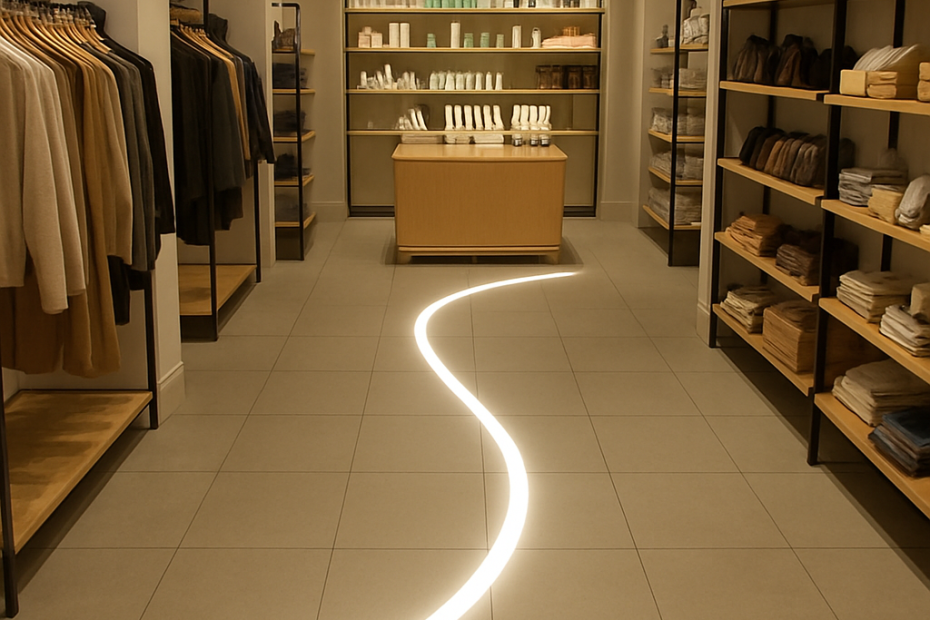
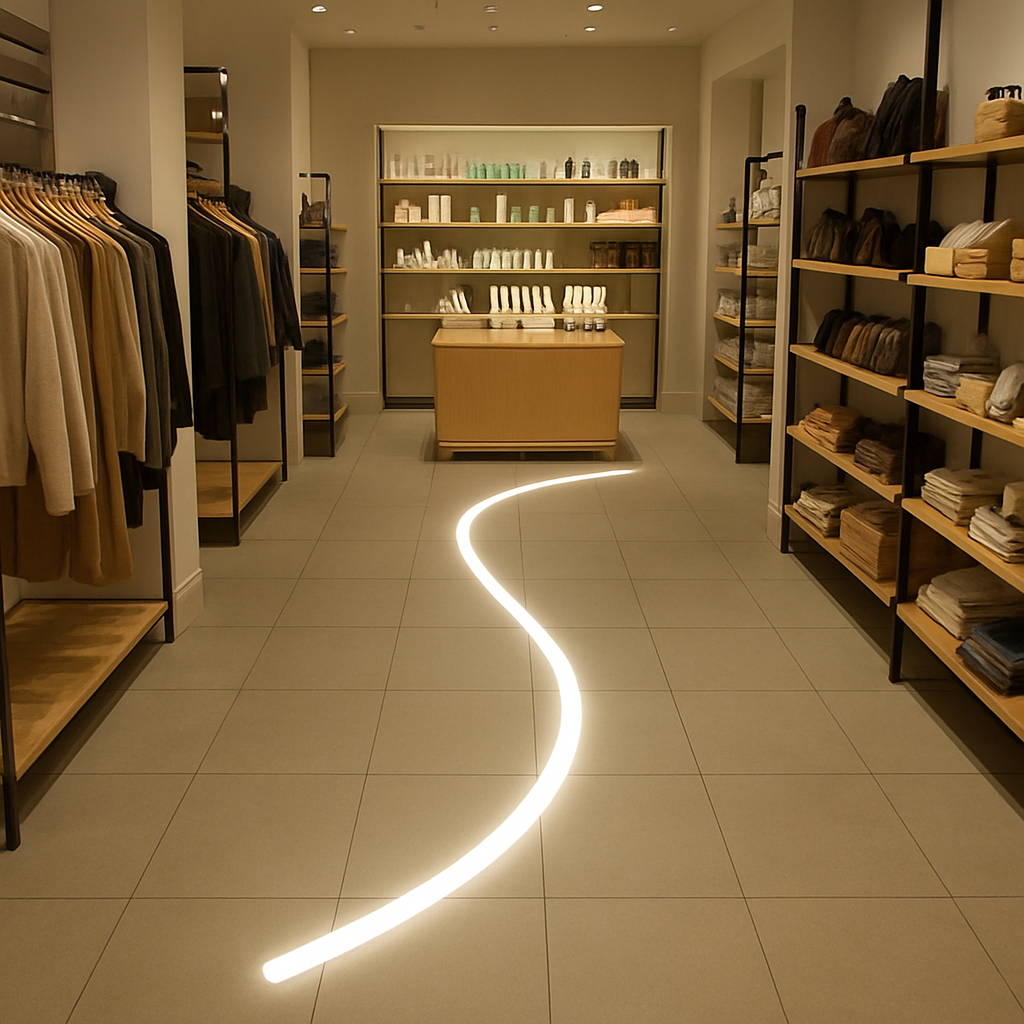
Imagine a store where the floor itself guides you to the sales. Instead of utilizing confusing hanging signs, programmable led surface modules can generate moving arrows underfoot, leading customers directly to specific products or exits. This dynamic “wayfinding” turns passive walking space into an active guide, keeping shoppers focused on the journey rather than getting lost in the aisles.
Residential spaces benefit from this versatility too, transforming a standard basement into an immersive home theater or an interactive gym that tracks your movement. Homeowners often ask, “are light up walkways energy efficient?” Surprisingly, these systems consume minimal power, allowing you to run motion-activated night lights or vibrant party scenes without generating a massive electric bill.
Naturally, budgeting is the next logical hurdle for most buyers. When researching “how much do luminous floor systems cost,” remember that you are purchasing a digital canvas, not just flooring. While the upfront investment exceeds traditional carpet, the ability to instantly redesign a room adds lasting value.
Stepping Into the Future: Evaluating LED Floor Systems
The ground beneath you is no longer just support; it is a durable canvas for creativity. Recognizing that interactive digital dance floor panels are simply rugged, intelligent screens removes the mystery behind the magic. You understand that this technology is built to handle heavy foot traffic while engaging guests through responsive sensors, bridging the gap between durability and digital art.
As you plan your project, focus first on your goal: do you need high-definition video storytelling or simple, mood-setting geometry? Use this clarity to confidently discuss pixel density and installation needs with suppliers. LED floor tiles are no longer a futuristic concept but an accessible tool ready to transform your space into an unforgettable experience.
Contact us to customized your LED floor tiles: +86 137 2375 4264