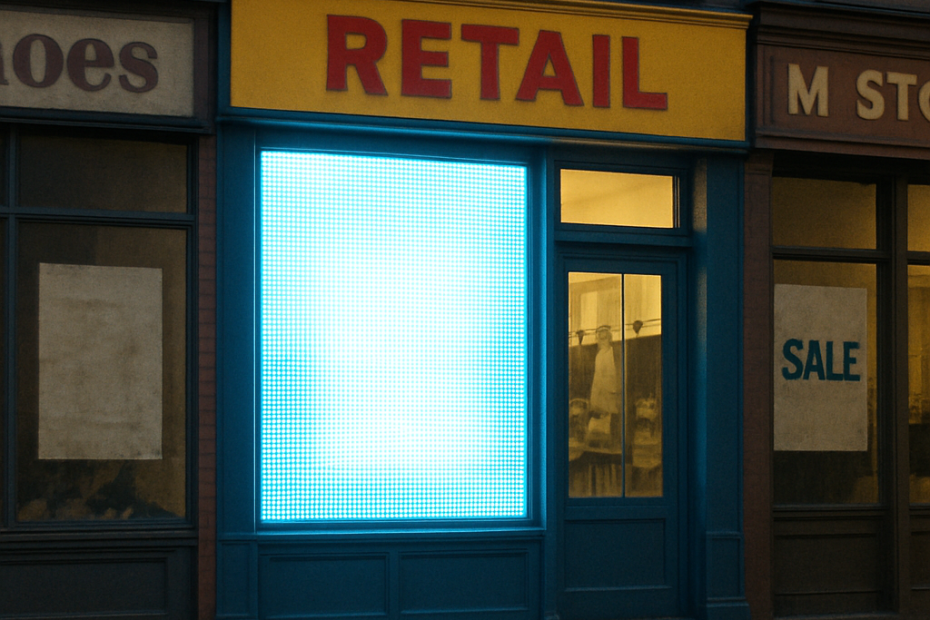
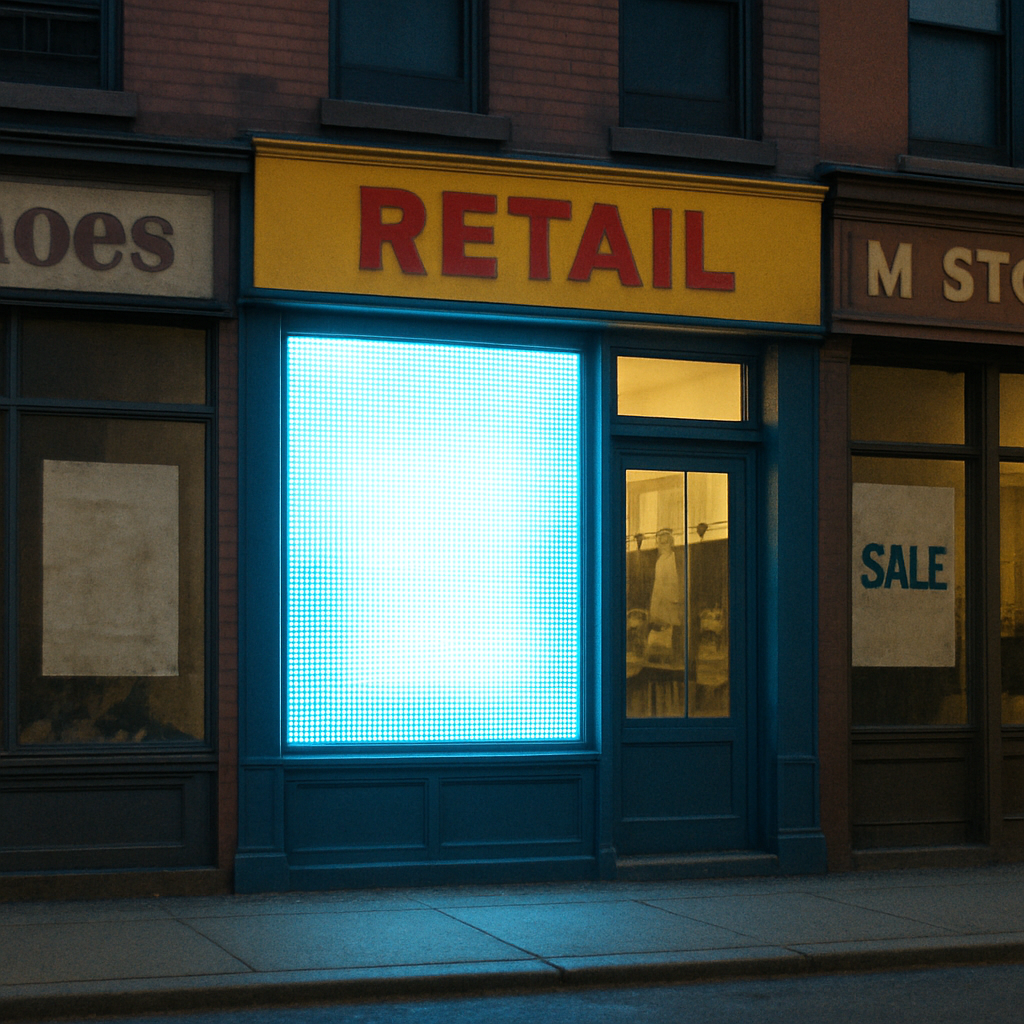
Walk down any busy high street at dusk, and your eyes naturally jump to the brightest thing in sight. This isn’t just a preference; biology wires us to detect motion and light, a concept retailers call “stopping power.” While static paper fades into the background, industry data suggests dynamic signage boosts foot traffic by 15% simply by catching a distracted passerby’s eye.
Consider a clothing boutique that swaps window displays weekly. The recurring costs of designing, printing, and hanging paper signs quickly accumulate. By switching to LED displays for retail stores, that ongoing expense becomes a one-time asset. This shift lowers the “cost-per-impression,” meaning you eventually pay significantly less for every customer who actually notices your brand compared to disposable print ads.
In 2024, attention is the primary currency. Sticking with static posters often means failing to convert pedestrians into buyers. Enhancing foot traffic with interactive storefront technology isn’t just about looking modern; it is about turning your window into a 24/7 salesperson.
The ‘TV Problem’: Why Consumer Screens Fail in Bright Storefront Windows
Placing a standard living room television in a shop window often leads to disappointment the moment the sun comes out. Instead of showcasing your latest products, the glass turns into a mirror that reflects the street, rendering your content invisible. This happens because consumer screens lack the power necessary for reducing screen glare in bright storefront windows, a job that requires specialized hardware designed to outshine the sun.
Overcoming natural light requires looking at brightness through a metric called “nits,” which is essentially the candlepower of the screen. While a high-end home TV might offer 350 nits—perfect for a dim den—retail LED screens specifically engineered for outward-facing windows pump out between 2,500 and 5,000 nits. This massive difference allows your display to cut through reflections and grab attention, ensuring potential customers see your summer sale clearly even at high noon.
Heat presents another invisible threat that separates professional gear from big-box store electronics. When consumer TVs sit in direct sunlight, the liquid crystals can literally boil, creating permanent dark splotches known as the “blackening effect.” Commercial units are built to withstand high temperatures and run on a 24/7 duty cycle. This industrial durability ensures commercial grade LED panels run continuously for up to 100,000 hours without fading or overheating.
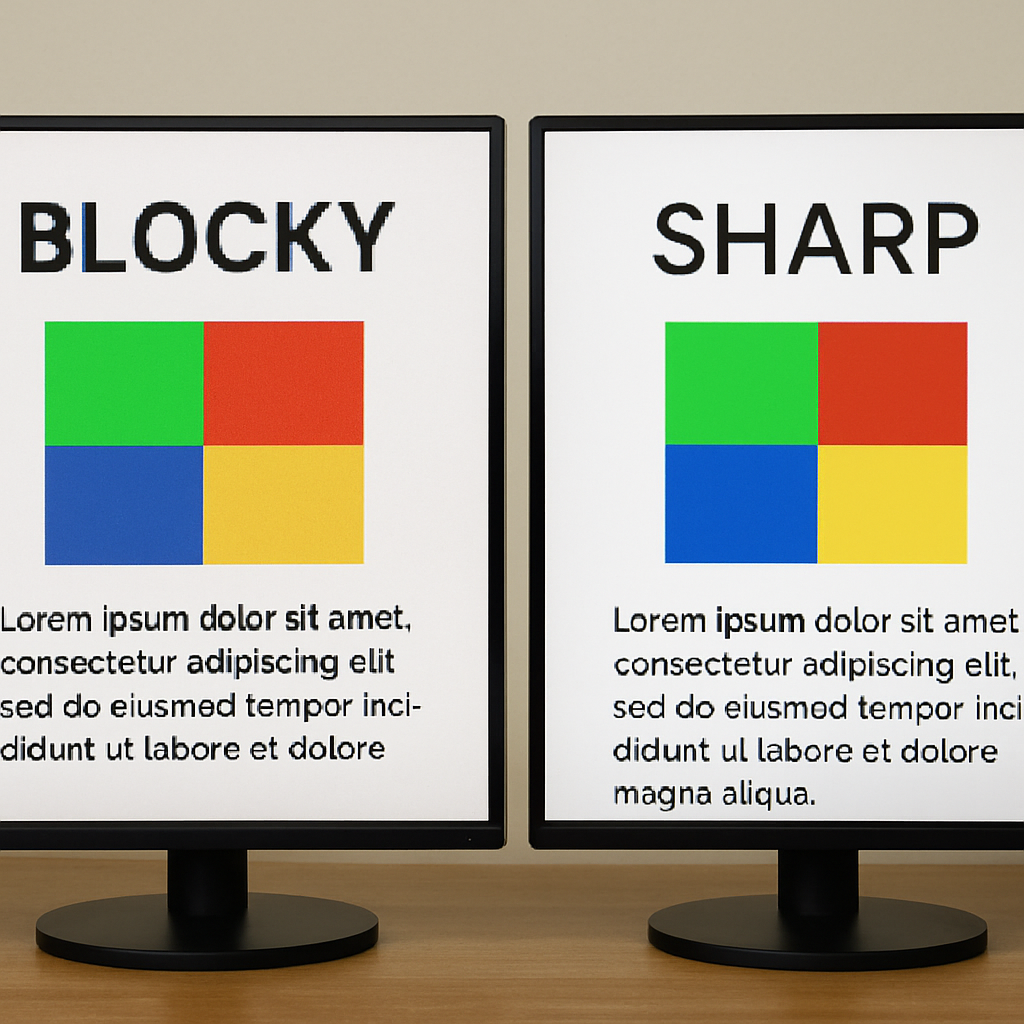
With brightness solved, the next priority is ensuring the image looks crisp rather than blocky. Just as you wouldn’t stand with your nose against an impressionist painting, you need to match your screen’s resolution to where your customers are standing.
The Social Distancing Rule for Screens: Choosing the Right Pixel Pitch for Your Layout
Selecting the right hardware depends entirely on where your customers stand relative to the display. This concept revolves around “pixel pitch,” a technical term that measures the gap between the glowing dots on the screen. Think of it like a newspaper photo: the image looks perfect from a distance but breaks down into individual dots if you get too close. Selecting the correct pixel pitch for retail screens ensures you don’t pay for “retina-quality” detail that nobody will see from the sidewalk.
You can calculate the budget “sweet spot” using a simple industry formula: for every millimeter of pitch, the viewer should be roughly three feet away. While a distant highway billboard uses widely spaced pixels because viewers are speeding by, high resolution indoor digital signage for boutiques requires tight spacing so product text remains legible to window shoppers.
- 5 Feet Viewing Distance: P1.5 – P1.9 (Best for window displays)
- 10 Feet Viewing Distance: P2.5 – P3.0 (Ideal for behind-counter walls)
- 20+ Feet Viewing Distance: P4.0 – P6.0 (Perfect for hanging ceiling signs)
If your installation requires customers to stand within arm’s reach, such as an interactive directory, standard LEDs might still look slightly grainy. In these specific cases, adopting cob led technology for close-up viewing distances creates a smooth, seamless surface that withstands close inspection. Once sharpness is defined, consider whether you want a solid wall of video or a display that lets natural light shine through.
Transparent Screens vs. Opaque Walls: Picking the Best Look for Your Boutique
Blocking natural light is a major concern for storefronts, but the architectural style of your screen determines whether you keep the sun or block it out for impact. Traditional opaque displays deliver the punchiest colors and deepest blacks, creating a cinematic focal point. By utilizing ultra-thin bezel design for seamless video walls, these solid screens act like vibrant digital wallpaper that commands attention, making them ideal for back walls or areas where outdoor visibility isn’t required.
Alternatively, if your goal is maintaining an airy atmosphere, transparent technology offers a “mesh” architecture that lets sunlight pass through. This setup works like high-tech window blinds: the image floats on the glass while customers can still see your merchandise inside. When weighing transparent led screens versus opaque digital posters, remember that transparency often trades a bit of color intensity for that modern, open aesthetic.
- Transparent LED: Preserves 60–80% of natural light; ideal for window fronts; slightly lower contrast.
- Opaque LED: Blocks view completely; superior brightness and color saturation; best for indoor focal walls.
After selecting hardware, the focus shifts to controlling what appears on screen without running back and forth to a computer.
Setting the Schedule: How Cloud-Based Content Management Saves Hours of Manual Work
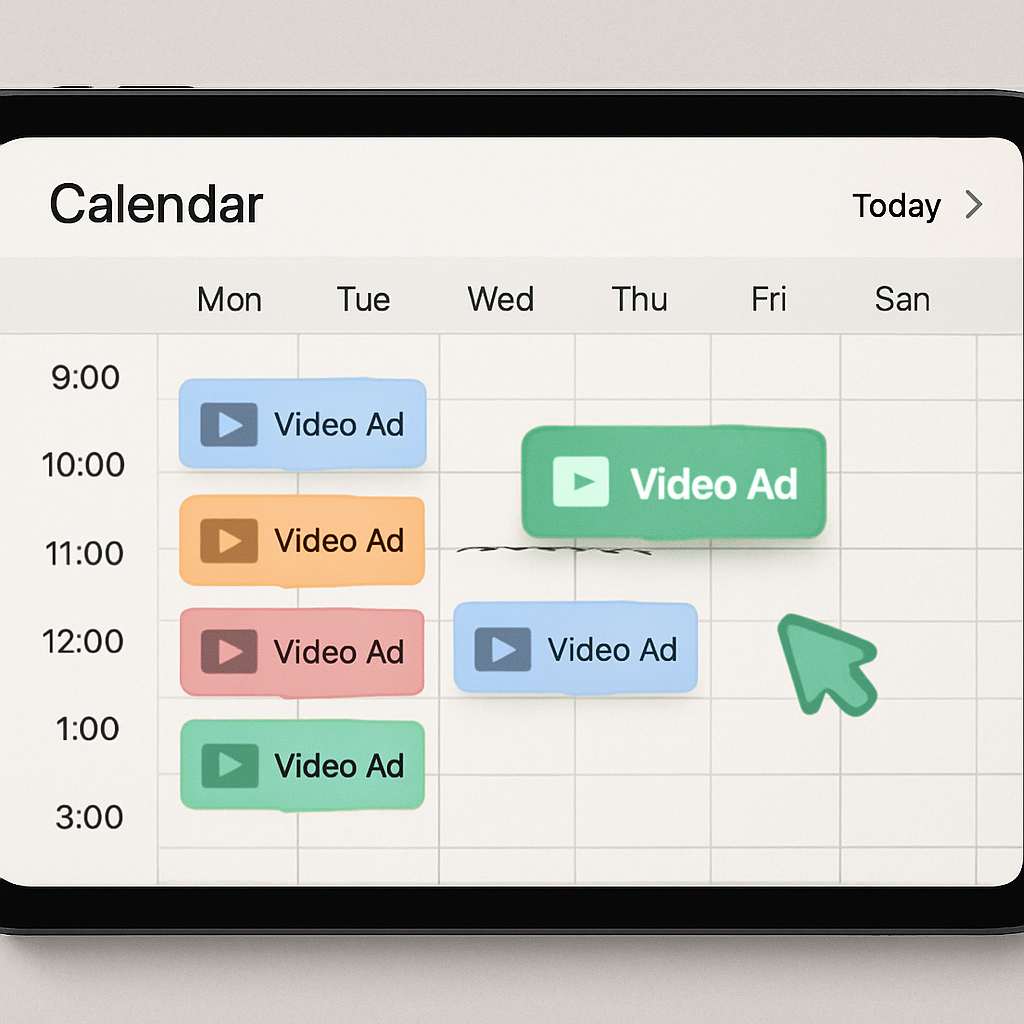
Running back to a back-office computer to change a price is a hassle of the past. Modern solutions utilize a cloud-based content management system for shop displays that operates much like a social media app. You simply log in from your phone or laptop to update your signage instantly, eliminating the need for climbing ladders to swap USB drives or dedicated media players.
Automation turns this convenience into a strategic advantage. By mastering dynamic content scheduling for seasonal promotions, you can program weeks of marketing logic in a single afternoon. A café manager can set the screen to display espresso deals during the morning commute and automatically switch to lunch specials at noon, ensuring the right offer appears exactly when customers are ready to buy.
Security also improves, as encrypted connections prevent the tampering risks associated with leaving physical ports exposed outdoors. With the software handling the technical delivery, your only remaining task is designing engaging visuals for commercial display boards that justify the initial investment.
Your 3-Year Profit Plan: Calculating ROI and Ensuring Screen Longevity
Transforming your storefront requires shifting your mindset from “cost” to “asset.” When calculating return on investment for digital shopfronts, compare the upfront price of led video walls vs traditional static signage against five years of printing costs. You will likely find the screen pays for itself long before its diodes dim, turning a recurring expense into a permanent competitive advantage.
To launch your project, follow this four-step roadmap:
- Site Audit: Measure window dimensions and average customer viewing distance.
- Budgeting for Pitch: Invest in tighter pixel pitches for eye-level screens and save on higher displays.
- Content Strategy: Draft a schedule to rotate seasonal promotions instantly.
- Maintenance Schedule: Plan simple monthly cleaning to maintain brightness.
Finally, always perform the “Camera Test” with your smartphone. If the image looks crisp on your recording, it will look premium on customers’ Instagram stories. By selecting low power consumption digital advertising solutions, you ensure your new 24/7 salesperson drives foot traffic without driving up your utility bill.
Contact us for your led displays for retail stores, Ada: +86 137 2375 4264