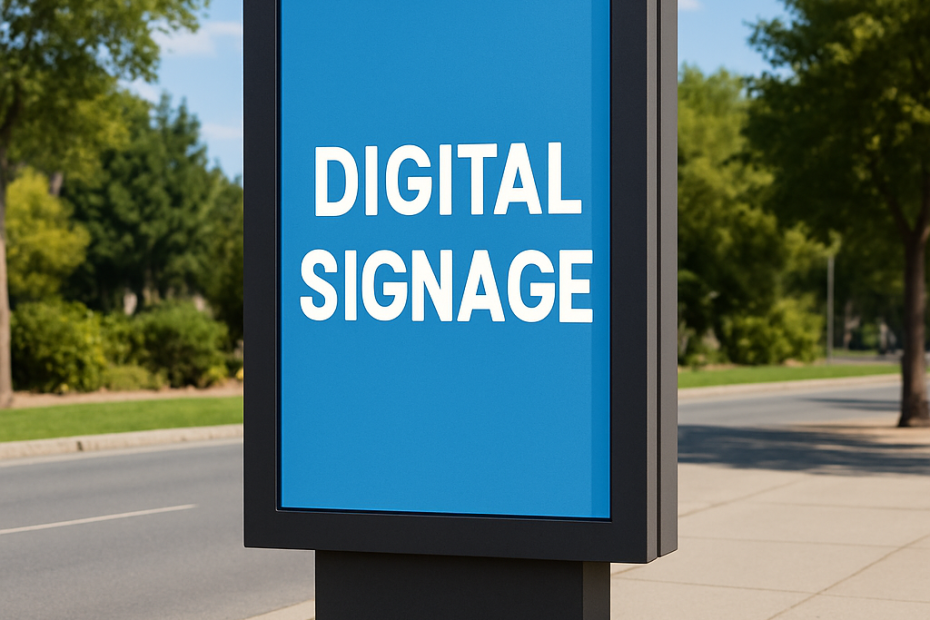
Outdoor digital signage is increasingly popular for businesses aiming to capture attention and communicate effectively with their audience. However, one pressing question that arises is: Is outdoor digital signage really weatherproof? This article explores the intricacies of weatherproof displays, the technology behind them, and what you should consider to ensure your outdoor signage solutions withstand the elements.

When we talk about weatherproof displays, we refer to screens designed to operate in various environmental conditions without compromising functionality. These displays are engineered to resist rain, snow, dust, and extreme temperatures, ensuring they remain operational year-round.
The Science Behind Weatherproofing
The weatherproofing of digital signage involves several key technological innovations:
- IP Ratings: The Ingress Protection (IP) rating system is a critical measure indicating how well a device can resist solid particles and liquid ingress. For outdoor digital signage, a minimum rating of IP65 is often recommended. This rating ensures the display is dust-tight and protected against water jets from any angle.
- Temperature Regulation: Outdoor digital displays are equipped with temperature control systems, such as fans or air conditioning units, to manage internal temperatures and prevent overheating or freezing.
- Durable Enclosures: The enclosures for these displays are typically constructed from robust materials like steel or aluminum and are often coated with anti-corrosion finishes to combat environmental wear and tear.
- Anti-Reflective Coatings: Many weatherproof displays incorporate anti-reflective coatings to ensure visibility in bright sunlight.
Key Considerations for Outdoor Signage Solutions
While weatherproof technology is sophisticated, not all displays are created equal. Here are some factors to consider when selecting outdoor digital signage:
Location and Placement
The geographical locati0n and specific placement of your signage play a significant role in its longevity and effectiveness. For instance, a display in a coastal area might require additional protection against saltwater corrosion.

Power Requirements
Outdoor displays often require more power than their indoor counterparts due to features like brightness adjustment and climate control. Ensure that your power supply can handle the demands of your signage.
Maintenance and Durability
Regular maintenance is crucial to extend the life of outdoor signage. Check seals and enclosures periodically to ensure they remain intact and functional. Look for manufacturers that offer warranties and customer support as part of their service.
Choosing the Right Manufacturer
Reputable manufacturers provide weatherproof displays that meet industry standards. When selecting a supplier, inquire about their testing processes and the durability of their products.
Advantages of Weatherproof Digital Signage
Weatherproof digital signage offers numerous benefits that make it a worthwhile investment for businesses:
- Year-Round Advertising: With weatherproof displays, businesses can advertise their products and services all year, regardless of weather conditions.
- Enhanced Visibility: Digital displays are more eye-catching than traditional static signs, especially when equipped with vibrant, high-resolution screens.
- Dynamic Content: The ability to change and update content remotely allows businesses to keep their messaging fresh and relevant.
- Long-Term Cost Efficiency: While the initial investment might be higher, the durability and longevity of weatherproof displays often result in cost savings over time.
Real-World Applications
Weatherproof digital signage is used across various sectors, each benefiting uniquely from its features:
Retail and Shopping Centers
Retailers use outdoor digital signage to attract foot traffic, promote sales, and enhance the overall shopping experience. These displays can be found at entrances, parking lots, and even on storefront windows.
Transportation Hubs
Airports, bus stations, and train terminals utilize digital signage for wayfinding, real-time updates, and advertising. These environments require robust displays due to high foot traffic and exposure to the elements.
Hospitality and Entertainment
Hotels and entertainment venues employ weatherproof signage to welcome guests, provide event information, and advertise amenities. These displays add a modern touch and improve guest satisfaction.
Quick Service Restaurants (QSRs)
QSRs often use digital menu boards in their drive-thrus. These displays need to withstand temperature fluctuations and precipitation to maintain functionality and visibility.
Challenges and Limitations
Despite their advantages, weatherproof digital displays have some challenges:
- Initial Cost: The upfront cost of purchasing and installing weatherproof displays can be significant. However, when considering the longevity and maintenance savings, it often balances out.
- Technical Issues: Like any technology, digital displays can experience malfunctions. It’s essential to have a reliable technical support plan in place.
- Vandalism and Security: Outdoor displays are susceptible to vandalism. Investing in protective enclosures and security measures is necessary to mitigate this risk.
Conclusion

Weatherproof digital signage is a powerful tool for businesses looking to make an impact with their marketing efforts. By understanding the technology behind these displays and carefully selecting the right solutions, businesses can ensure that their investment is protected against the elements. Whether it’s rain, shine, or snow, weatherproof displays offer a reliable and dynamic way to engage your audience and promote your brand effectively.