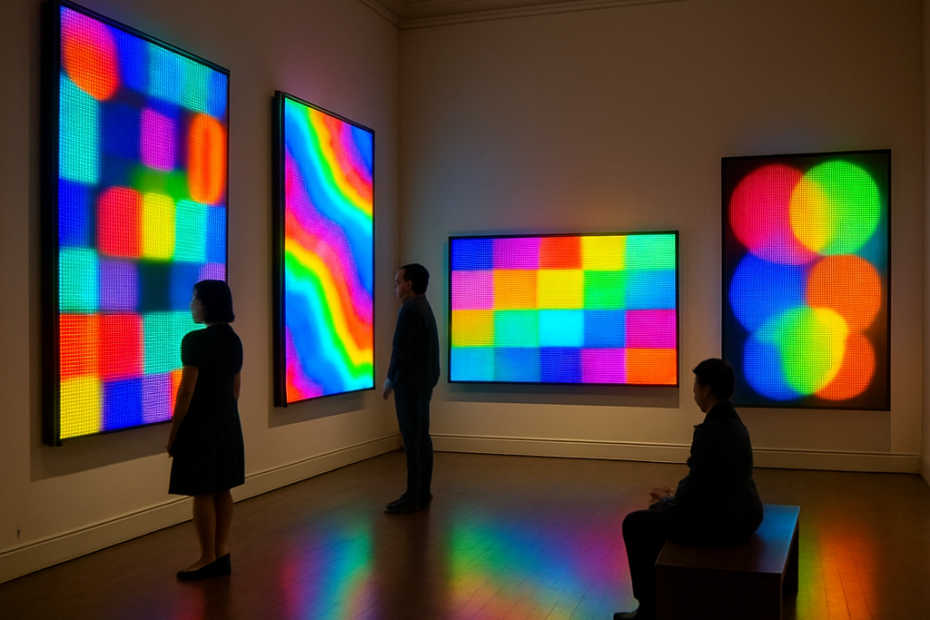
Art museums are embracing technology to enhance visitor experiences. LED display screens are at the forefront of this transformation. These screens are revolutionizing how art is presented and perceived.
Interactive display solutions are engaging visitors like never before. They allow audiences to interact with art in dynamic ways. This interaction creates a deeper connection between the viewer and the artwork.
Digital art displays offer vibrant colors and high resolution. They bring art to life with stunning clarity. Museums can now showcase multimedia art pieces that captivate and inspire.
LED technology is also sustainable and flexible. It supports creative exhibition designs and reduces environmental impact. This makes it an ideal choice for modern art spaces.
The integration of LED displays is attracting a younger, tech-savvy audience. Museums are becoming more inclusive and accessible. This innovation is setting the stage for the future of art exhibitions.
The Rise of LED Display Screens in Art Museums
The art world is embracing LED display screens at an impressive pace. These displays have transformed museums into dynamic and engaging environments. Their application ranges from showcasing modern digital art to enhancing traditional exhibits.
Museums are utilizing these screens to create immersive art experiences. LED technology offers vibrant colors and high resolutions, resulting in visually stunning displays. This capability allows for detailed and captivating presentations.
Various factors contribute to the popularity of LED displays. They provide versatile solutions for both large and small exhibitions. Additionally, their customizable nature allows them to fit seamlessly into various spaces.
Key benefits of LED display screens in art museums include:
- High energy efficiency and sustainable technology
- Flexibility in exhibition design and layout
- Dynamic display options for multimedia artworks
Art museums across the globe are integrating LED displays into their architecture. They are effectively blending art, technology, and innovation. This synergy creates an all-encompassing experience for visitors.
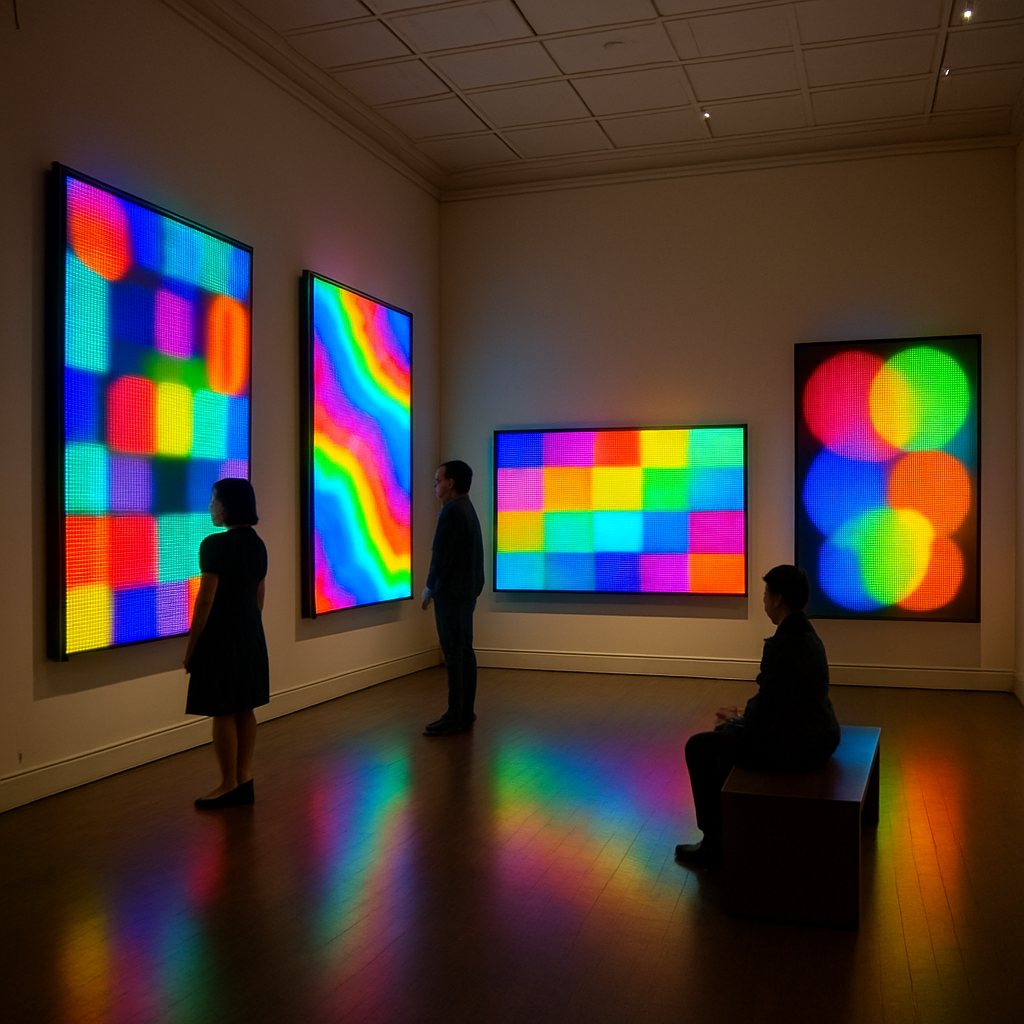
Transforming Art Presentation with Digital Art Displays
Digital art displays have revolutionized how museums present art. They enable the exhibition of dynamic and multimedia art pieces that static methods cannot match. This shift empowers artists to explore new dimensions of creativity.
The LED technology used in digital displays enhances visual clarity. Vibrant color reproduction ensures that each detail of the artwork is conveyed precisely. This allows visitors to appreciate the art in its full splendor.
Museums are now equipped to showcase digital art installations. These installations often include video art or animated sequences, captivating audiences with their fluidity. The flexibility of these displays allows museums to curate a wide range of exhibitions.
Key advantages of digital art displays include:
- Easy updating of content, enabling diverse exhibitions
- Capacity to incorporate interactive elements for visitor engagement
- Support for incorporating sound and light for a multi-sensory experience
Artists can collaborate with museums to create unique screen-based installations. This partnership fosters innovation and experimentation. Such collaborations have the power to attract a tech-savvy audience keen on experiencing cutting-edge art forms.
Ultimately, digital art displays enable museums to keep up with contemporary artistic trends. They provide visitors with a dynamic and enriched cultural experience that evolves with each exhibition.
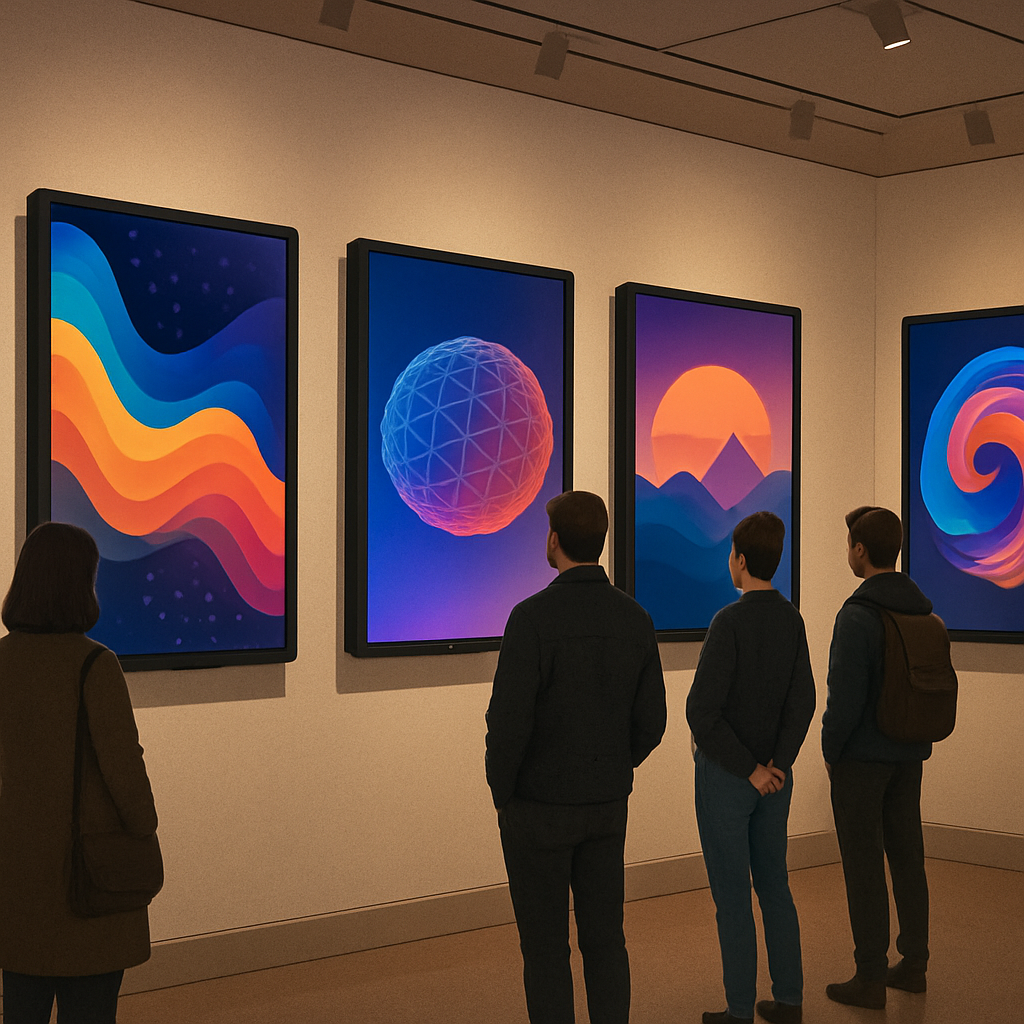
Interactive Display Solutions: Engaging the Modern Visitor
Interactive display solutions are transforming how visitors experience art. These displays invite engagement through movement, touch, and augmented reality. The result is a richer, participatory visitor experience.
LED display screens offer myriad interactive possibilities. Visitors can touch screens to reveal hidden layers of information. Motion sensors might trigger animations or special effects, capturing the visitor’s attention.
Augmented reality features provide an entirely new perspective. Visitors can use their devices or museum-provided equipment to view art through an augmented lens. This technology adds layers of meaning to traditional artworks, enhancing interpretation.
Key components of interactive displays include:
- Touch interfaces for accessing detailed art information
- Motion detection to animate displays in response to movement
- Augmented reality for creating layered experiences
These interactive solutions create a personalized museum visit. They allow visitors to explore at their own pace. Further, they cater to varying interests and education levels.
Museums benefit by drawing in diverse audiences. Interactive elements often appeal to younger visitors, ensuring repeat visits. Engaging displays can also lead to increased social media sharing, expanding a museum’s reach.
Integrating these solutions requires thoughtful planning and design. Museums need to balance technology with the art itself, ensuring the main focus remains the pieces on display.

by Joshua Fernandez (https://unsplash.com/@joshuafernandez)
Immersive Experiences: Creating New Worlds with LED Technology
Immersive experiences in museums offer visitors a chance to step into the art. LED technology plays a pivotal role in crafting these experiences. It allows museums to transform spaces into captivating environments.
LED screens can envelop visitors with vibrant visuals and sound. Art becomes more than something to be observed; it becomes an environment to be explored. This approach generates a deeper emotional connection.
The versatility of LED technology allows for stunning multi-sensory presentations. Combining light, sound, and visuals can create dynamic, narrative-driven exhibitions. This can immerse visitors in historical scenes or imaginative worlds.
Immersive environments often include:
- Surrounding LED screens for a panoramic view
- Integrated sound systems for an audio-visual blend
- Dynamic lighting to shift mood and focus
These elements collaborate to animate static artwork, making it almost lifelike. LED technology can simulate environments, from starry skies to bustling cities, enriching the narrative.
Museums using immersive displays often see longer visitor engagement. People linger and explore, captivated by the experience. They feel more connected to the art and the messages it conveys.
LED-driven immersive experiences can transform how art is perceived. Instead of a distant observation, visitors experience art as an active, engaging journey.

by kt Leung (https://unsplash.com/@ktlung)
Enhancing Education and Accessibility Through LED Displays
LED displays are revolutionizing educational initiatives within art museums. They provide an innovative platform for conveying information. Visitors can engage with content in engaging and interactive ways.
Museums use LED screens to display artist biographies and contextual history. These elements deepen visitors’ understanding of the art on display. Educational content can be continuously updated to reflect new findings or perspectives.
Interactive educational features include touch screens and motion-activated displays. These allow visitors to delve deeper into topics that intrigue them. The interactive format caters to different learning styles, making education more inclusive.
LED technology also enhances accessibility for visitors with disabilities. High-contrast text displays and adjustable text sizes accommodate various visual needs. Subtitles and translations are also easily integrated, welcoming international visitors.
Key educational and accessibility benefits of LED displays:
- Real-time language translations for non-native speakers
- Interactive maps and guides for navigation
- Multilingual video and audio content to cater to diverse audiences
Through education and accessibility enhancements, museums can offer richer experiences. LED displays ensure that art is both accessible and understandable to all. This aligns with museums’ missions of knowledge sharing and cultural inclusivity.

by Alice Kotlyarenko (https://unsplash.com/@onegrandtrip)
Sustainability and Flexibility: The Practical Benefits of LED Screens
LED screens are an eco-friendly solution for museums seeking sustainability. Unlike traditional displays, LED technology consumes less energy. This reduces the environmental footprint of art exhibitions considerably.
Flexibility is another key advantage of LED screens in museums. They can display a variety of content, from static images to dynamic videos. This versatility supports diverse artistic expressions and exhibition themes.
LED displays can be easily reconfigured to fit any space. Whether in small galleries or large halls, they adapt seamlessly. Their modular design enables quick updates and changes to exhibitions.
Using LED technology helps museums reduce physical waste. Digital art displays decrease the need for printed materials and flyers. This minimizes the environmental impact of museum operations.
Practical benefits of LED screens:
- Energy-efficient technology reduces operational costs
- Adaptable display formats cater to different exhibition needs
- Digital setups offer quick and easy reprogramming for content updates
LED screens deliver sustainability and flexibility, helping museums innovate responsibly.

by Ryunosuke Kikuno (https://unsplash.com/@ryunosuke_kikuno)
Case Studies: Innovative LED Installations in Leading Museums
Art museums worldwide are embracing LED technology in exciting ways. The Louvre, famous for its classic pieces, now uses LED screens. They bring modern dimensions to their historic collection.
One groundbreaking installation is at the Museum of Modern Art in New York. Here, LED displays blend with avant-garde exhibitions, creating interactive experiences. The result is a dynamic and engaging visitor journey.
In Tokyo, the Mori Art Museum uses LED screens to enhance digital art exhibitions. These displays highlight the intersection of technology and traditional art forms. Visitors are captivated by the seamless integration of light and creativity.
The Smithsonian Institution also showcases innovative uses of LED technology. They utilize digital art displays in exhibitions to present multimedia pieces engagingly. This attracts diverse audiences, including tech-savvy visitors.
Key features of these installations:
- Interactive art pieces involving the audience
- High-resolution displays enhancing art visibility
- Flexible LED setups suiting multiple art forms

by Ting He (https://unsplash.com/@cassx)

by Bernd 📷 Dittrich (https://unsplash.com/@hdbernd)
These examples demonstrate how LED screens transform art presentation in top museums. The creative possibilities with LED technology are seemingly endless.
Future Trends: The Evolving Role of LED Displays in Art Museums
The potential for LED displays in museums continues to grow. As technology advances, museums are ready to explore new possibilities. This ensures a dynamic and innovative visitor experience.
Upcoming trends include incorporating artificial intelligence with LED displays. This allows for more personalized and interactive art presentations. Such advancements could redefine visitor engagement.
Augmented reality features combined with LED screens hold promise. They might offer immersive storytelling experiences. Museums can simulate historical contexts or alternate realities, enriching the visitor’s journey.
Key future trends to watch for:
- Enhanced personalization with AI-driven displays
- Integration of augmented reality for enriched experiences
- Development of even more energy-efficient LED technologies

by Ricardo Gomez Angel (https://unsplash.com/@rgaleriacom)
These trends highlight an exciting future for art museums. LED screens will continue to push boundaries, revolutionizing the art world.
Conclusion: The Bright Future of Art Museum LED Display Screens
Art museums are embracing LED display technology with open arms. It transforms the way art is presented, making it more appealing. This shift is not just aesthetic but also functional.
LED screens bring art to life with vibrant colors and interactive options. They allow museums to engage visitors in ways never thought possible. This approach modernizes the museum experience, drawing in tech-savvy audiences.
By incorporating sustainability and flexibility, LED displays support museum goals. They help reduce environmental impact while enhancing accessibility. Such practical benefits align with contemporary museum values.
As technology advances, the possibilities with LED displays continue to expand. Art museums have a bright future, with LED technology leading the way. The integration of innovative display solutions ensures that the art world remains dynamic and engaging.