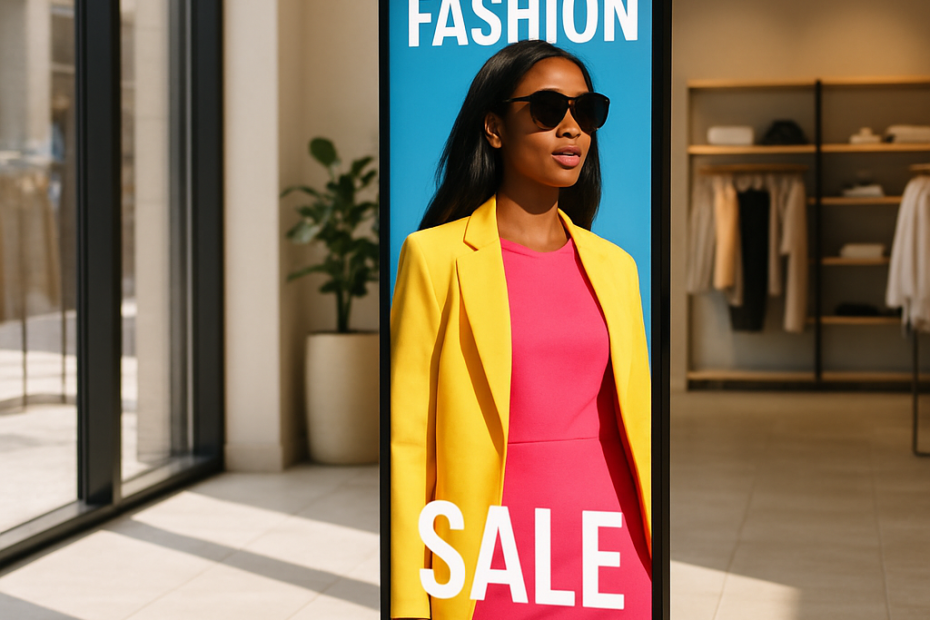
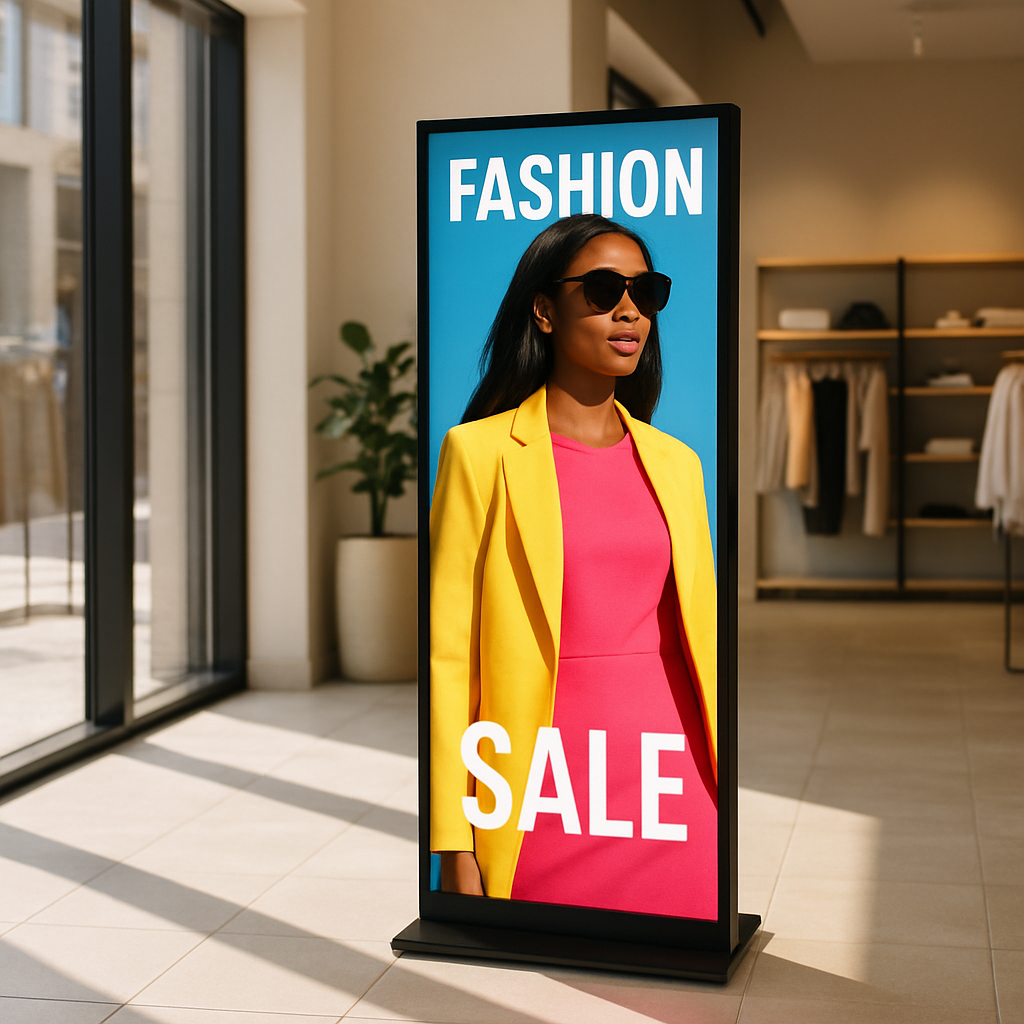
Walk into a modern boutique, and your eyes are immediately drawn to a glowing pillar of video rather than a flat paper sign. This is a digital LED poster, a device that functions less like a complex computer and more like smart furniture for your business. Unlike traditional banners that require expensive reprinting for every typo, these displays offer a permanent canvas for evolving ideas.
The visual impact is measurable. According to industry studies, motion-based content captures 400% more attention than static images. By adding simple movement, retail digital signage solutions transform a passive advertisement into a magnet for customer focus, ensuring your message actually gets seen.
Managing these portable advertising screens is surprisingly intuitive. Instead of coordinating with a print shop, you can update promotions in seconds directly from your smartphone. This flexibility turns a one-time investment into years of versatile, waste-free communication.
Why These Glowing ‘Digital Pillars’ Beat Traditional Banners Every Time
If you’ve ever tried to use a standard living room TV for a shop window display, you probably noticed the problem immediately: glare. Standard screens just aren’t built to compete with the sun or harsh overhead lighting. This is where the specific engineering of an led poster display separates itself from the television you watch Netflix on.
The secret lies in a measurement called “nits,” which is simply the technical term for brightness intensity. A standard home TV usually puts out around 300 to 500 nits, which looks great in a dim living room but vanishes under store lighting. In contrast, indoor signage brightness levels for LED posters often start at 1,000 nits and go up from there. That extra power ensures your message cuts through reflections, staying vivid even when the sun is beaming directly into your lobby.
Beyond just raw brightness, these devices are built as “commercial-grade” hardware, designed to run 24/7 without overheating. This distinction is crucial for modern marketing because commercial grade high refresh rate screens prevent those ugly flickering lines from appearing when customers take photos. If someone snaps a picture of your menu or welcome sign for Instagram, the image remains crisp and readable, unlike older monitors that distort on camera.
Investing in one of these slimline advertising totem features offers distinct advantages over the traditional printed roll-up banners found at most events:
- High Visibility: Up to three times brighter than standard LCD monitors.
- Rugged Build: Protective surface coatings resist bumps better than fragile glass screens.
- Instant Updates: Change a typo or a price in seconds rather than re-printing.
- Social Ready: Flicker-free visuals that look professional in customer photos.
From Boutique Storefronts to Wedding Welcomes: Real-World Use Cases
Think about the daily rhythm of a coffee shop. A printed sign works fine, but it says the same thing all day long. With an led video poster, you unlock a strategy called “dayparting,” where your screen automatically adapts to the clock. At 8:00 AM, it glows with a steaming latte to catch the morning commute, but by 5:00 PM, it seamlessly shifts to promote happy hour specials without you lifting a finger. This dynamic change is a proven method for increasing storefront foot traffic with motion, catching eyes that would otherwise gloss over a static image.
For event planners, flexibility is often more valuable than permanence. Sometimes you need a directional sign at an entrance, but other times you need a massive backdrop for a stage. This is where led poster rental shines through a feature known as multi-screen splicing for video walls. By placing three or four individual posters side-by-side and switching them to “link mode” via the software, they behave as one giant canvas. Suddenly, separate pillars become a seamless panoramic display, offering high-impact visuals without the heavy construction of a permanent wall.
These screens do more than just look pretty; they act as a functional bridge between the physical and digital worlds. Because the resolution is crisp enough for phones to scan, you can turn a passive viewer into an active participant instantly using these strategies:
- Retail: Display a large, scannable QR code for an instant 10% discount to build your email list on the spot.
- Corporate: Show a live agenda in the lobby that updates via the cloud as meeting times shift.
- Weddings: Feature a live photo stream where guest uploads appear on screen in real-time.
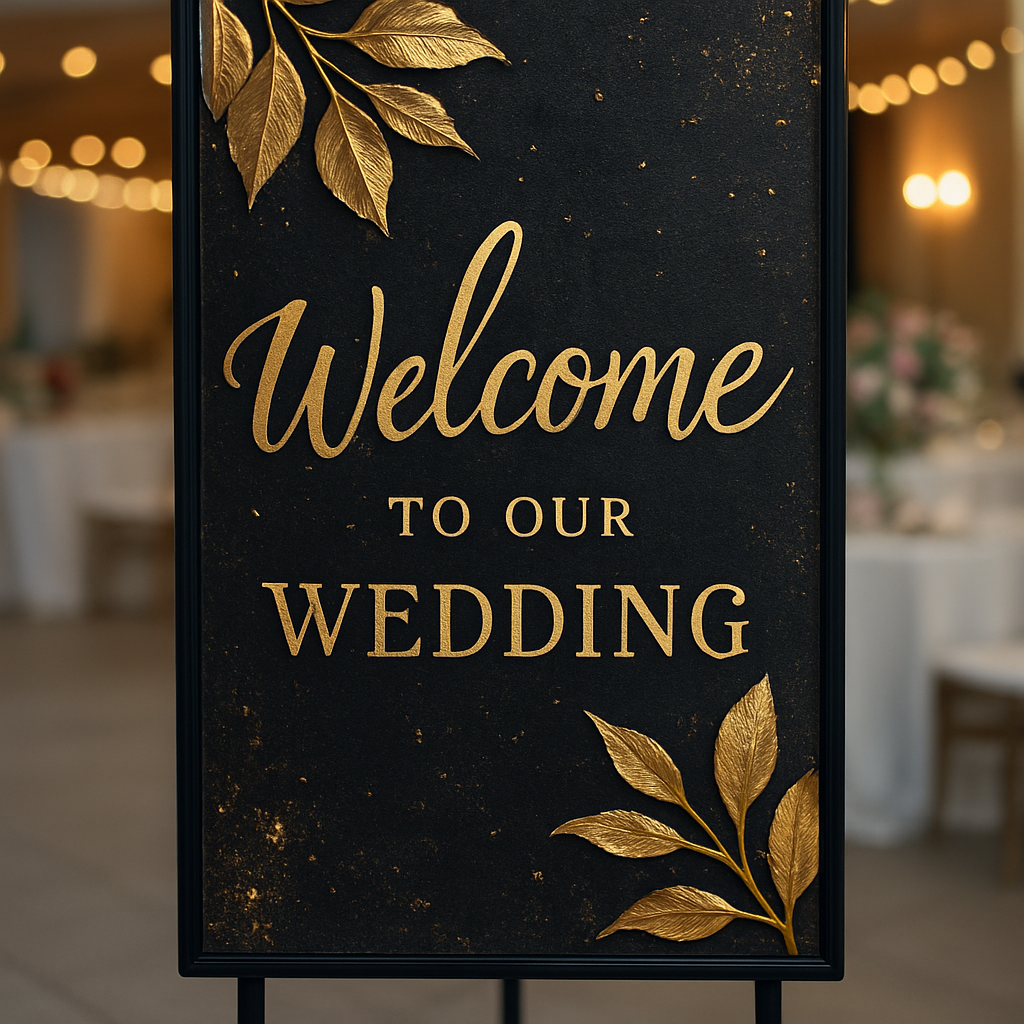
Whether you are greeting a CEO or selling a sandwich, the goal is capturing attention in a busy world. Getting that crystal-clear image requires picking the right “resolution” for your specific viewing distance.
Choosing Your First Poster: The ‘Mosaic’ Guide to Brightness and Clarity
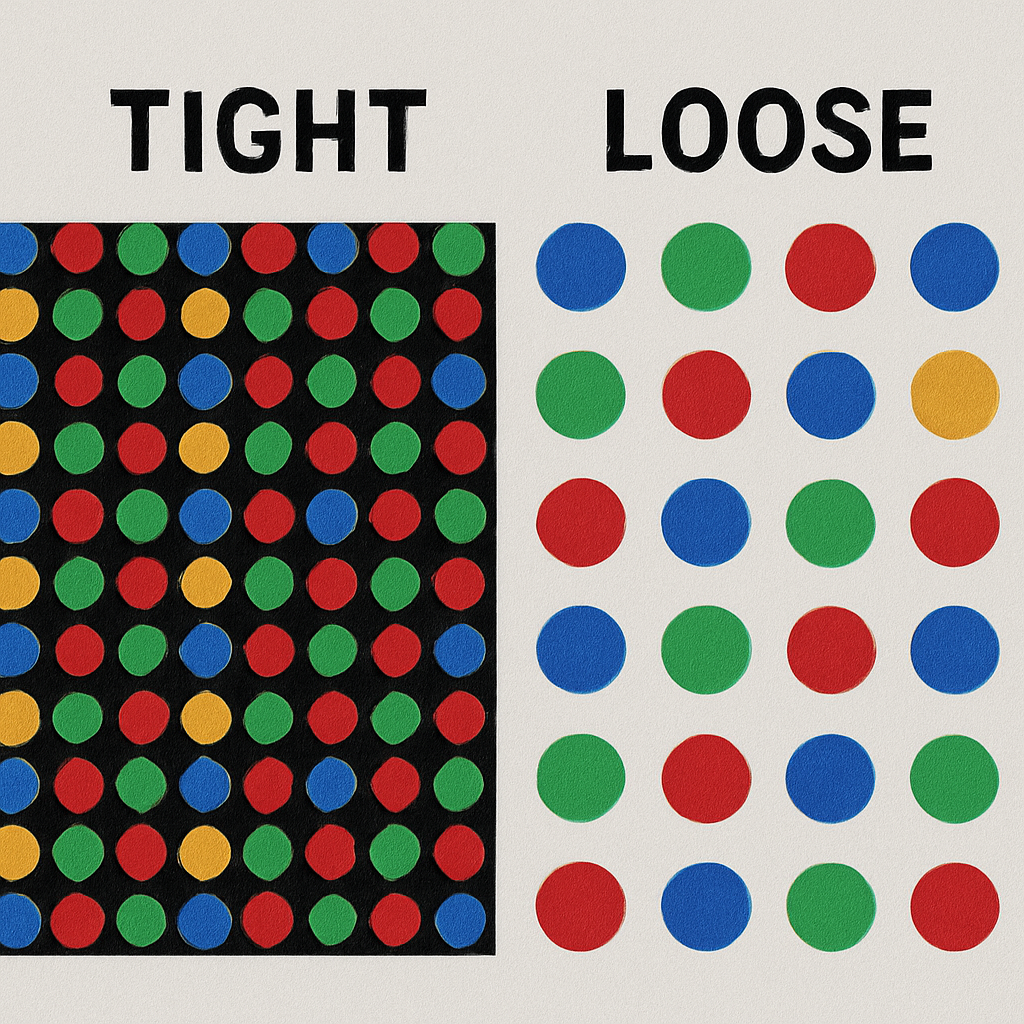
Imagine walking right up to a digital sign in a boutique. If the image looks blocky or “pixelated,” the tiny light dots are spaced too far apart. In the industry, we measure this gap with a “P-rating” or pixel pitch. Think of it like a mosaic: the smaller the gap between tiles, the smoother the picture looks from a short distance. For most lobbies or retail shops, you want a pixel pitch for close-range viewing, typically around P1.8 to P2.5. This low number ensures your graphics look crisp and continuous, even when customers are standing just arm’s length away.
Where you place the unit determines which model you need just as much as clarity does. An indoor led poster prioritizes high resolution for up-close reading, but it will look washed out if you place it in direct sunlight. Conversely, an outdoor led poster sacrifices a tiny bit of sharpness to deliver massive brightness—often three times more powerful than a standard TV—to cut through the sun’s glare. These rugged outdoor models also come with specialized weatherproofing to protect the electronics from rain and dust, making them the only safe choice for sidewalk promotion.
Protecting your investment requires treating the hardware more like a premium appliance than a standard television. Since the tiny light diodes often sit right on the surface, the most critical of our portable smart screen maintenance tips is simply minding the edges during transport to avoid knocking pixels loose. Most modern units come with a protective epoxy coating, but careful handling ensures your screen stays flawless for years. Once you have the right hardware safely in place, the only thing left is filling it with great visuals, which is surprisingly easy to do.
Setting Up in 60 Seconds: Mastering Plug-and-Play Media
Many business owners worry that running a digital sign requires an IT degree, but modern hardware is designed for absolute simplicity. Learning how to set up electronic floor stands is intuitive because the units function more like independent appliances than complex servers. Once powered on, the screen handles the technical heavy lifting, letting you focus entirely on the visuals.
For single locations, the “Plug and Play” method is the fastest route. These units serve as autonomous plug and play media players that store ads internally.
- Save your images (JPG) or videos (MP4) to a standard USB drive.
- Insert the drive into the poster and wait for the “Copy Complete” message.
- Remove the USB; the poster immediately loops your content.
- Alternatively, use the mobile app to beam files wirelessly.
Scaling up to multiple locations often requires commercial display cloud management, which lets you update screens remotely via the internet. You will also encounter synchronous vs asynchronous control systems. “Synchronous” mirrors your live computer screen for presentations, while “asynchronous” runs independently from memory, ensuring your ad plays even if your laptop is turned off.
Your Digital Transition: A 3-Step Plan for Immediate Impact
You are no longer bound by rigid print deadlines or the waste of outdated signage. By adopting a digital poster display, you treat marketing like a conversation that evolves instantly rather than a permanent fixture. This shift creates a sustainable “green” alternative that eventually pays for itself by replacing static roll-up banners and eliminating recurring printing fees.
Launch your strategy by identifying a high-traffic spot in your space and choosing a screen clarity that matches where people stand. From there, create a simple ten-second video loop using standard design tools to instantly test the value-to-cost ratio for your stakeholders. This straightforward approach ensures your content looks professional immediately without requiring a degree in engineering.
An led poster screen does for your storefront what a viral video does online: it forces passersby to stop the scroll of their daily commute. You now possess the tools to turn a passive corner into a dynamic magnet for attention. Embrace the “wow factor” and let your business shine as brightly as the message you share.
Contact us for your led poster, Ada +86 137 2375 4264