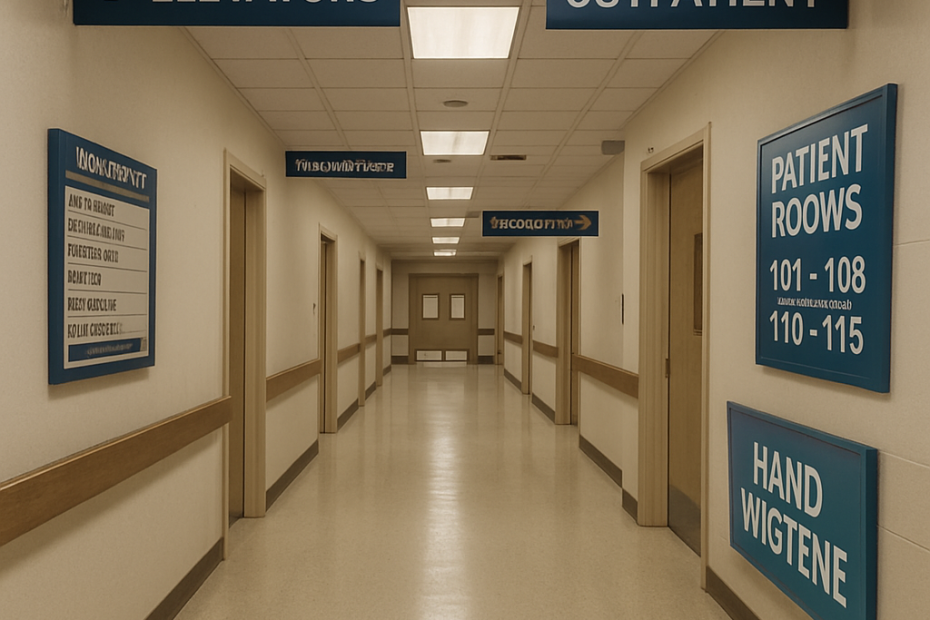
In the hustle and bustle of a hospital, clear communication is crucial. Informational signs play a pivotal role in guiding patients, visitors, and staff through the complex maze of hospital corridors. Effective sign design not only enhances visual communication but also improves the overall experience within the healthcare facility. In this article, we will delve into the importance of informational signs in hospitals, explore key elements of sign design, and discuss how visual communication can be optimized in these critical environments.
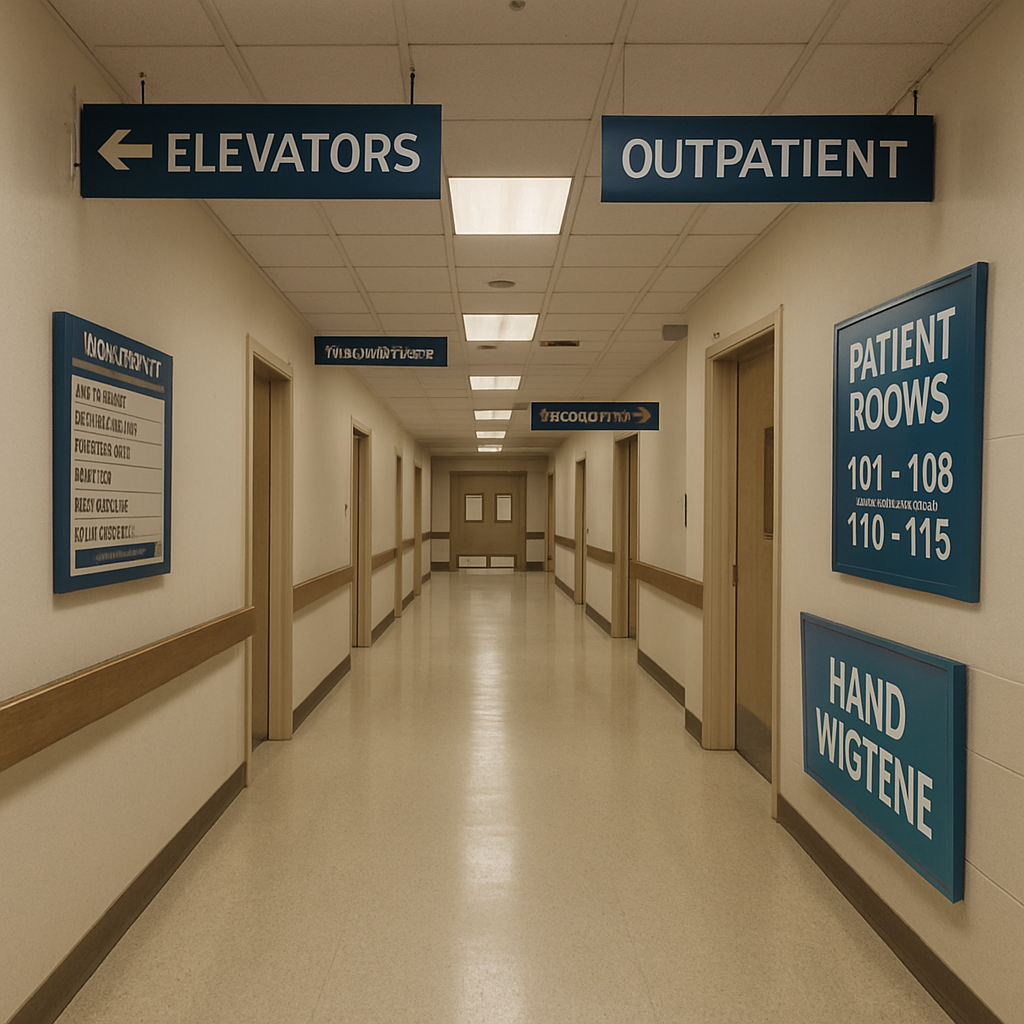
The Importance of Informational Signs
Navigational Aid
Hospitals are often large, multi-level buildings with numerous departments and specialties. Navigating through such a space can be overwhelming, especially for first-time visitors. Informational signs serve as essential navigational aids, directing individuals to their desired destinations with ease.
Without clear signs, patients and visitors may experience anxiety and frustration, which can negatively impact their perception of the healthcare facility. Well-designed signs alleviate these concerns by providing clear directions and reducing the likelihood of getting lost.
Enhancing Safety
Safety is a paramount concern in any hospital setting. Informational signs contribute to a safer environment by highlighting important safety protocols, emergency exits, and restricted areas. In the event of an emergency, clear signage can significantly expedite evacuation procedures, potentially saving lives.
Improving Efficiency
For hospital staff, time is of the essence. Informational signs help streamline daily operations by indicating room numbers, department locations, and staff-only areas. This efficiency allows healthcare professionals to focus on providing quality patient care without unnecessary distractions.
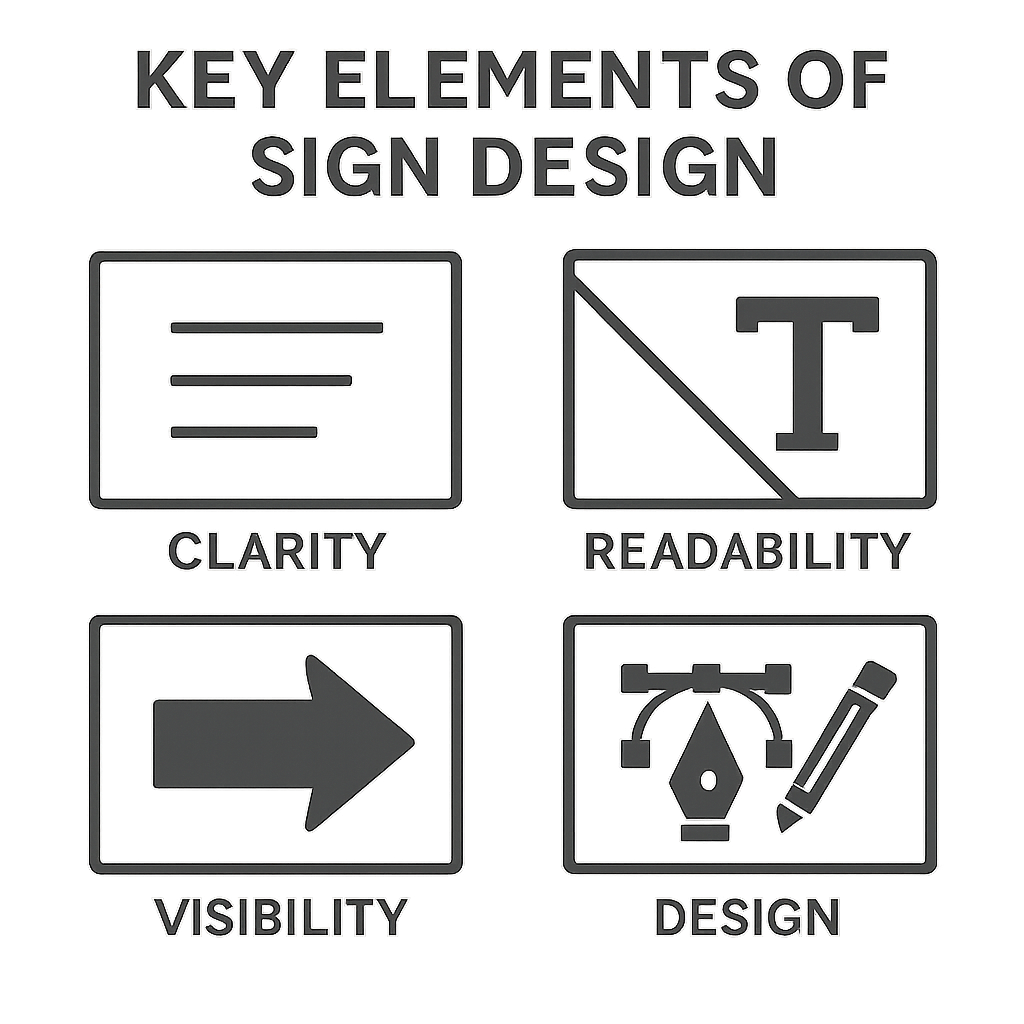
Key Elements of Sign Design
Readability
The primary function of a sign is to convey information quickly and effectively. Therefore, readability is a crucial aspect of sign design. Fonts should be clear and legible from a distance, with sufficient contrast between text and background colors. Sans-serif fonts are often preferred for their simplicity and readability.
Consistency
Consistency in sign design fosters familiarity and trust. All signs within a hospital should adhere to a unified design standard, including color schemes, typography, and symbols. This consistency helps users recognize and interpret signs more easily, promoting a seamless navigational experience.
Language and Symbols
Hospitals serve diverse populations, including non-native speakers and individuals with varying literacy levels. Incorporating universally recognized symbols alongside text can bridge language barriers and enhance comprehension. For example, using a wheelchair icon to denote accessibility or a red cross for medical services.
Placement and Visibility
The placement of signs is just as important as their design. Signs should be positioned at eye level and in well-lit areas to maximize visibility. Additionally, signs should be strategically placed at decision points, such as intersections and elevator banks, to guide individuals effectively.
Optimizing Visual Communication in Hospitals
Digital Signage
Advancements in technology have paved the way for digital signage in hospitals. Digital signs offer dynamic content that can be easily updated to reflect real-time information, such as wait times, appointment schedules, and emergency alerts. This flexibility enhances the overall efficiency of information dissemination.

Wayfinding Systems
Comprehensive wayfinding systems integrate informational signs with maps, directories, and kiosks to provide a holistic navigational experience. Interactive kiosks equipped with touchscreens allow users to search for specific departments or services, while printed maps offer a portable reference for those who prefer traditional methods.
Color Coding
Color coding is an effective strategy for organizing information and creating visual hierarchies. For instance, using different colors to represent various hospital wings or departments can simplify navigation. However, it is important to ensure that color choices are accessible to individuals with color vision deficiencies.
Feedback and Evaluation
To ensure the effectiveness of informational signs, hospitals should regularly seek feedback from patients, visitors, and staff. Conducting surveys and usability tests can identify areas for improvement and guide future sign design efforts. Continuous evaluation ensures that signs remain relevant and meet the needs of all users.
Conclusion
Informational signs are a fundamental component of visual communication in hospitals. By providing clear directions, enhancing safety, and improving efficiency, well-designed signs contribute to a positive experience for patients, visitors, and staff alike. As hospitals continue to evolve, incorporating modern design principles and technologies will ensure that informational signs remain an invaluable asset in the healthcare environment.
In summary, investing in thoughtful sign design and visual communication strategies is not only beneficial but essential for creating a welcoming and efficient hospital environment. By prioritizing readability, consistency, and accessibility, hospitals can enhance the overall experience for everyone who walks through their doors.
ScreenSculpt is a professional commercial display solutions manufacturer based in Shenzhen, founded and led by a technically experienced team. We maintain strong partnerships with leading panel manufacturers such as Samsung, LG, BOE, HKC, Innolux, and CSOT, ensuring access to premium display resources for our digital signage solutions, contact us now!