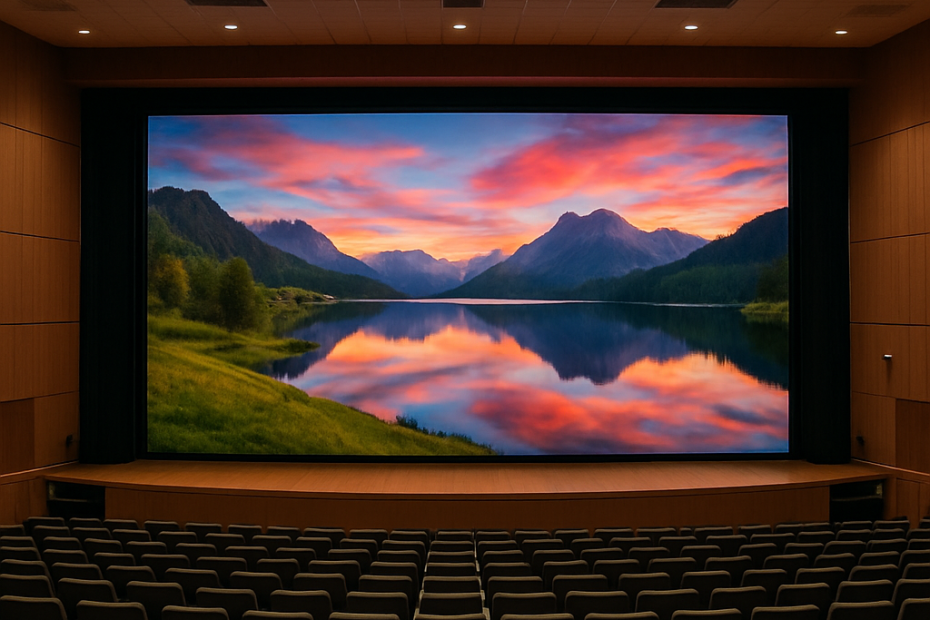
In today’s world of advanced technology, choosing the right display solution for indoor settings can be quite a task. Whether it’s for a business presentation, a classroom, or a home theater, the debate often boils down to two main contenders: indoor LED displays and projectors. Each has its own set of features, benefits, and drawbacks. In this article, we’ll compare indoor LED displays and projectors to help you make an informed decision.
Before diving into the comparison, it’s important to understand what each technology entails.
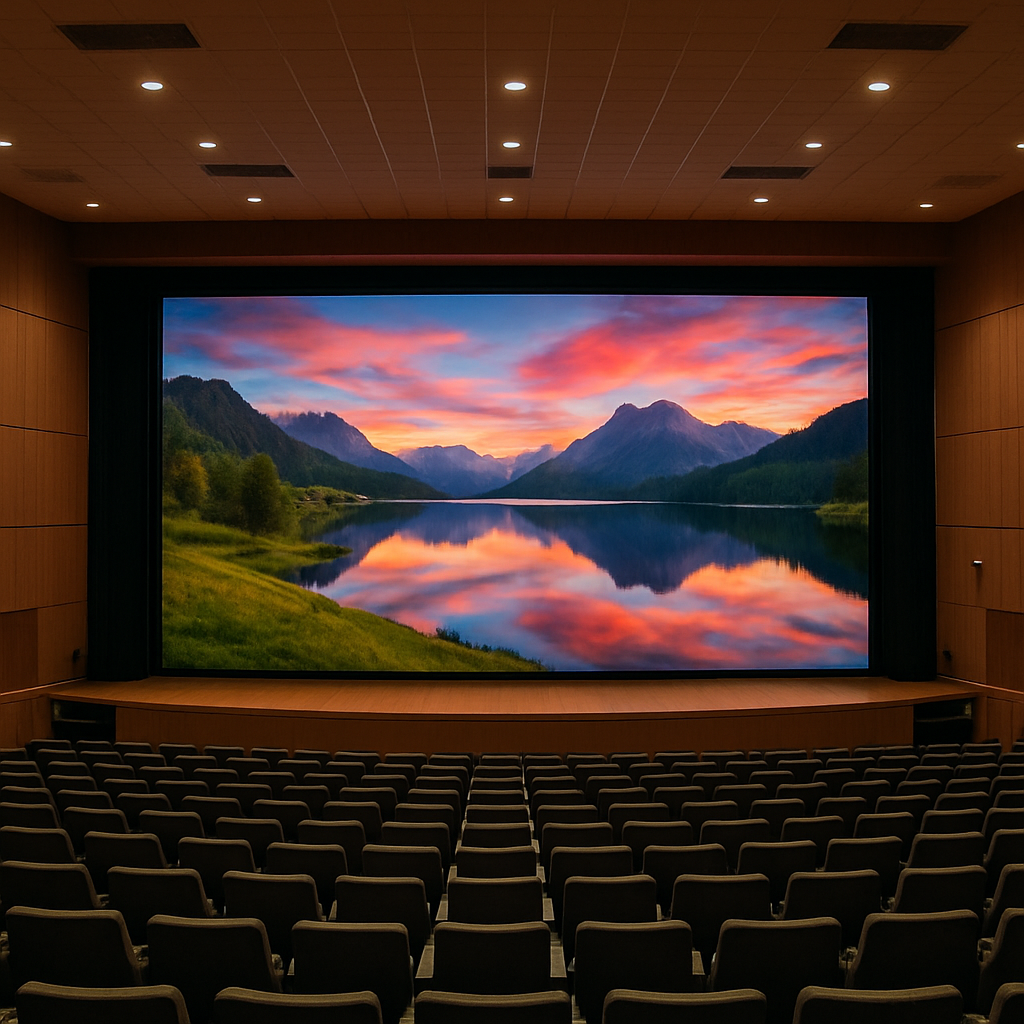
An indoor LED display is a flat panel display that uses light-emitting diodes (LEDs) to create images. These displays are known for their brightness, energy efficiency, and long lifespan. They are commonly used in settings where high visibility is crucial, such as in conference rooms, retail environments, and entertainment venues.
What is a Projector?
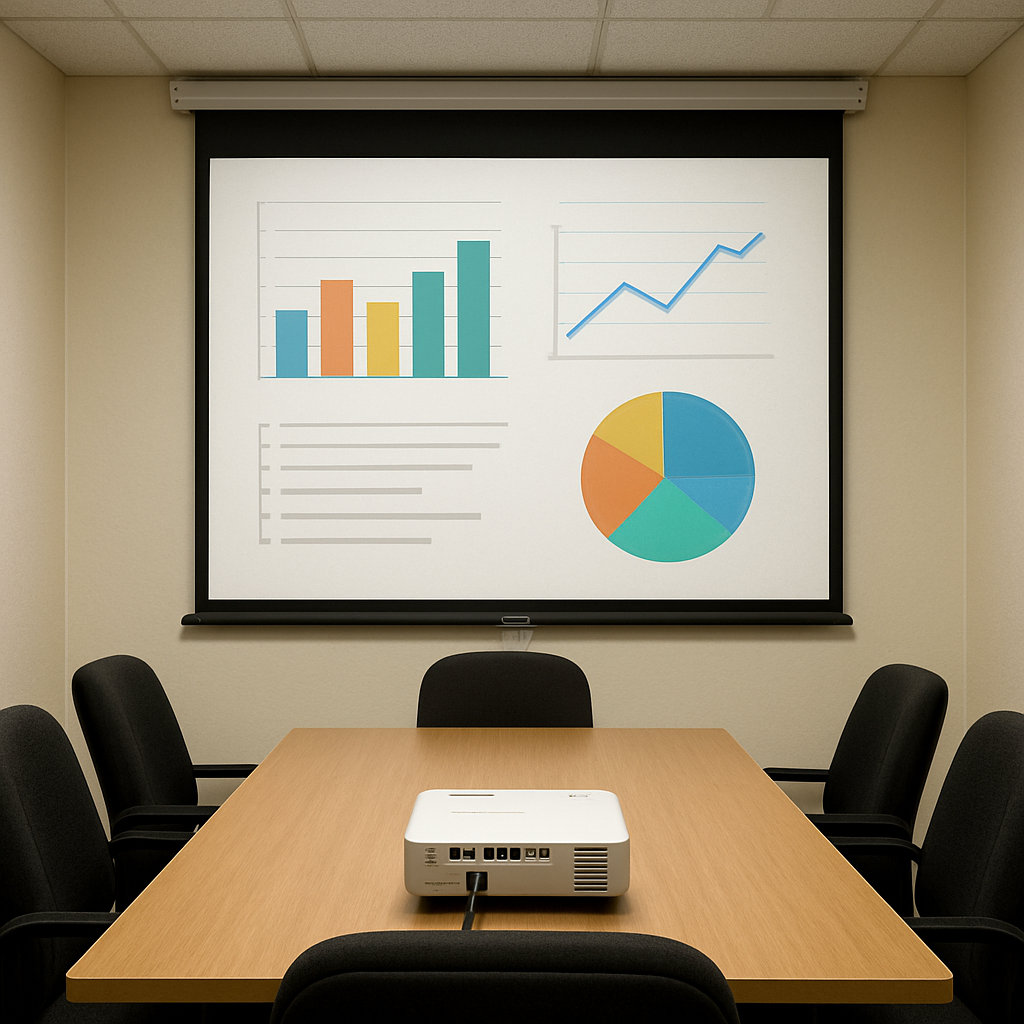
A projector is a device that projects an image or video onto a surface, commonly a projection screen. Projectors are versatile and can be used in various environments, from classrooms to large auditoriums. They rely on light sources such as lamps or lasers to project images.
Key Features and Comparisons
Now that we have a basic understanding of each technology, let’s delve into the specific features that differentiate indoor LED displays from projectors.
Image Quality
Indoor LED Display
LED displays are renowned for their vibrant colors and sharp images. They offer excellent contrast ratios, which means the difference between the darkest and brightest parts of an image is more pronounced. This results in more vivid and lifelike images. LED displays also perform well in brightly lit environments.
Projector
Projectors can produce large images suitable for audiences from a distance. However, the image quality can vary significantly based on the projector’s specifications. High-quality projectors can deliver excellent image quality, but they may struggle in brightly lit rooms, where the image can appear washed out.
Brightness and Visibility
Indoor LED Display
LED displays are incredibly bright and can maintain visibility even in well-lit rooms. This makes them ideal for environments where controlling ambient light is challenging.
Projector
Projectors have varying levels of brightness, measured in lumens. While some high-lumen projectors perform well in bright environments, lower-lumen projectors may require dim lighting to achieve optimal visibility.
Installation and Space Requirements
Indoor LED Display

LED displays are typically mounted on walls, requiring careful installation. They are often heavier and require a sturdy support structure. However, once installed, they take up minimal floor space.
Projector
Projectors can be placed on a table or ceiling-mounted. They require a screen or a flat surface for projection. While they offer flexibility in placement, projectors may need a significant amount of space between the device and the screen to achieve the desired image size.
Cost Considerations
Indoor LED Display
LED displays tend to have a higher upfront cost compared to projectors. However, they are durable and have lower maintenance costs over time due to their long lifespan and energy efficiency.
Projector
Projectors usually come with a lower initial price tag. However, they may incur higher long-term costs due to lamp replacements and potential repairs.
Maintenance and Longevity
Indoor LED Display
LED displays require minimal maintenance. They have a long operational life, often exceeding 50,000 hours, and do not require frequent part replacements.
Projector
Projectors require regular maintenance, including lamp replacements and cleaning. The lifespan of a projector lamp can range from 2,000 to 5,000 hours, which means ongoing maintenance costs.
Portability
Indoor LED Display
LED displays are generally not portable due to their size and installation requirements. They are best suited for permanent installations.
Projector
Projectors are portable and can be easily moved from one locati0n to another. This makes them ideal for presentations in different venues or for use in multiple rooms.
Pros and Cons
Indoor LED Display
Pros:
- High brightness and visibility
- Excellent image quality
- Low maintenance
- Long lifespan
Cons:
- Higher upfront cost
- Not portable
Projector
Pros:
- Lower initial cost
- Large image size
- Portable and versatile
Cons:
- Requires regular maintenance
- Image quality affected by ambient light
- Shorter lifespan
Making the Right Choice
When deciding between an indoor LED display and a projector, consider the specific needs of your environment. If you require high image quality, brightness, and a permanent setup, an LED display may be the best choice. On the other hand, if cost, portability, and flexibility are your priorities, a projector might be more suitable.
Consider the size of your space, the level of ambient light, and your budget. Weigh the pros and cons of each option to determine which display solution aligns best with your needs.
Conclusion
In the debate of indoor LED display vs. projector, both technologies offer unique benefits. By understanding the features and differences, you can make an informed decision that enhances your viewing experience, whether it’s for business, education, or entertainment purposes.