
When it comes to choosing the right indoor LED display, there are several factors to consider to ensure you make the best purchase for your needs. From understanding the technical specifications to evaluating the indoor LED screen price, this guide will help you navigate the process with ease. Making an informed decision can significantly impact not only the effectiveness of your display but also your overall satisfaction and return on investment.
Understanding the nuances of LED technology can seem daunting at first, but breaking down the components and considerations will empower you to make a confident choice. This guide is designed to provide you with all the information you need to understand the market, evaluate different options, and select the best indoor LED display for your specific requirements.
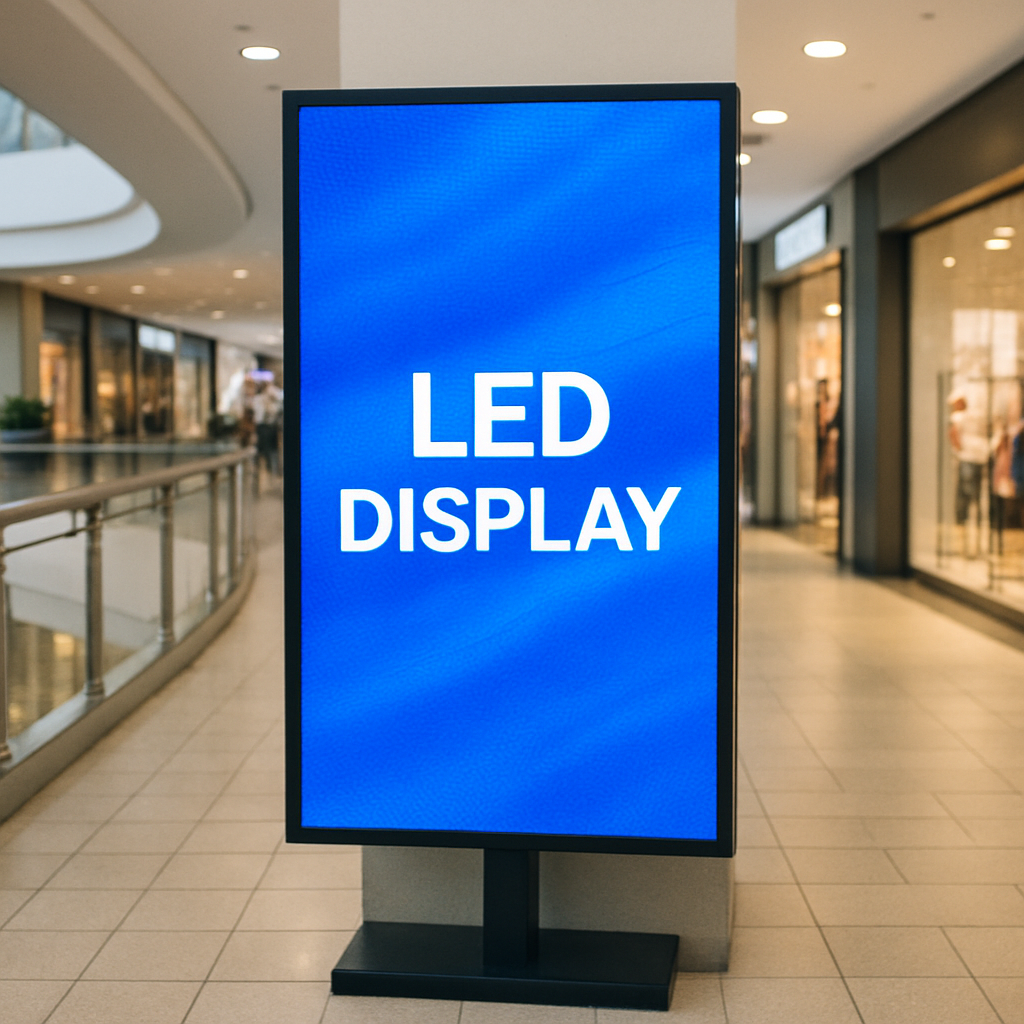
Indoor LED displays are increasingly popular for their ability to deliver bright, vibrant images and videos in various settings, such as retail environments, corporate settings, and entertainment venues. Unlike traditional displays, LED technology offers superior brightness, longer lifespan, and more energy efficiency. The adaptability of LED displays makes them suitable for a wide range of applications, from digital signage to interactive media.
The technology behind LED displays involves the use of light-emitting diodes, which are known for their durability and low energy consumption. These displays provide excellent color accuracy and consistency, which is crucial for applications where image quality is paramount. Additionally, LED displays are customizable, allowing for various configurations and sizes to fit different spaces and design needs.
Key Features of Indoor LED Displays
Resolution: The resolution of an LED display is crucial as it determines the clarity and sharpness of the image. Higher resolution means more pixels per inch, resulting in a clearer picture, especially important for displays viewed up close. When choosing a display, consider the typical viewing distance and ensure that the resolution is adequate to provide a crisp, detailed image from that distance.
Brightness: Indoor LED displays need to be bright enough to be seen clearly in various lighting conditions. Look for displays with adjustable brightness settings to optimize performance in different environments. Brightness is measured in nits, and for indoor displays, a range between 500 to 1,000 nits is generally sufficient to combat ambient lighting.
Refresh Rate: A higher refresh rate ensures smoother motion in videos and animations. A refresh rate of at least 60Hz is recommended for most applications. However, if you are planning to display fast-moving content or use the screen for interactive purposes, consider displays with refresh rates of 120Hz or higher.
Viewing Angle: A wide viewing angle ensures the display is visible from different positions without a loss in image quality. This is especially important for large venues where the audience is spread out. A viewing angle of 160 degrees or more is ideal to ensure that everyone has a clear view of the display, regardless of their position in the room.
Factors Affecting Indoor LED Screen Prices

Several factors can influence the price of an indoor LED display, and understanding these can help you find a product that fits your budget while meeting your requirements. The cost of an LED display can vary widely, so it’s important to identify which features are essential for your application and which ones you can compromise on to stay within budget.
The price of LED displays is influenced not only by the display itself but also by associated costs, such as installation and maintenance. Being aware of these additional expenses can help you plan your budget more effectively and avoid any surprises down the line.
Size and Resolution
The size of the display and its resolution are significant determinants of price. Larger displays with higher resolution are generally more expensive. It’s important to balance the need for size and clarity with your budget constraints. Consider the dimensions of the space where the display will be installed to choose an appropriately sized screen that fits both your visual needs and spatial limitations.
Higher resolution displays, such as 4K or 8K, provide exceptional image quality but come at a premium price. Assess whether your application requires such high resolution or if a lower resolution, such as Full HD, will suffice, particularly if the display is not viewed up close.
Technology and Features
Advanced technologies, such as HDR (High Dynamic Range) for better color and contrast, or smart features like remote control and integration with other systems, can also affect the price. Consider which features are essential for your intended use. Features like touch capability or real-time data integration may be crucial for interactive applications, while others might prioritize basic display functionality.
Incorporating smart technology can enhance the functionality of your LED display, allowing for seamless integration with other systems and ease of use. Evaluate whether these additional features will add value to your setup and are worth the extra investment.
Brand and Build Quality
Well-known brands often come with a higher price tag due to their reputation for quality and reliability. Investing in a reputable brand can be worthwhile for peace of mind and long-term performance. Established brands typically offer better customer support and longer warranties, which can be beneficial in case of technical issues.
That said, lesser-known brands may offer competitive products at a lower cost. It’s important to thoroughly research and read reviews to ensure that you are getting a quality product, regardless of the brand name. Sometimes, emerging brands might provide innovative features at a more affordable price point.
Installation and Maintenance
Don’t forget to factor in the costs of installation and ongoing maintenance. Professional installation is recommended to ensure the display functions correctly and safely. Improper installation can lead to performance issues or even damage the display, so it’s worth investing in professional services to get it right the first time.
Regular maintenance can also extend the lifespan of your display. This includes routine cleaning, software updates, and periodic inspections to identify and address any potential issues before they escalate. Budgeting for these ongoing costs will help ensure that your display continues to operate at its best for years to come.
Indoor LED Display Buying Guide
To make an informed purchase, consider the following steps. These steps will guide you through the decision-making process, helping you evaluate your needs and make a choice that aligns with your objectives and budget.
Being systematic in your approach will not only simplify the buying process but also increase the likelihood of selecting a display that fully meets your requirements and expectations.
Determine Your Needs
Identify the primary purpose of your indoor LED display. Is it for advertising, entertainment, or informational purposes? Knowing the main use will guide you in choosing the right size, resolution, and features. Different applications may prioritize different features; for example, a retail environment might need vivid colors to attract customers, while a corporate setting might prioritize resolution for detailed presentations.
Consider any specific content types you plan to display, such as videos, static images, or interactive elements. This will help you determine the technical specifications you need, such as refresh rate and resolution, to deliver the best possible experience to your audience.
Assess the Location
Consider where the display will be installed. Evaluate the lighting conditions, viewing distance, and audience size. This will help you choose a display with the appropriate brightness, viewing angle, and size. For example, a display in a well-lit lobby will require higher brightness levels compared to one in a dimly lit conference room.
Take into account any potential obstructions or design elements in the space that might affect visibility. The installation locati0n will also dictate the required viewing angle and any adjustments needed to ensure optimal visibility from all audience positions.
Set a Budget
Determine how much you are willing to spend on the display itself, as well as installation and maintenance costs. Be realistic about the features you need versus those that are nice to have. Prioritize features that will directly impact the effectiveness of your display in meeting its intended purpose.
It’s also advisable to set aside a contingency budget to cover any unexpected costs that may arise during installation or maintenance. This ensures that your project stays on track without compromising on essential components or quality.
Compare Options
Research different brands and models. Read customer reviews and seek recommendations from industry professionals. Compare prices, features, and warranties to find the best value for your money. Online forums and industry publications can be valuable resources for unbiased opinions and insights.
Consider scheduling demonstrations or requesting samples from manufacturers to experience the display’s quality firsthand. This can provide a better sense of how different models perform in real-world conditions and help narrow down your choices.
Plan for Installation
Plan the installation process carefully. Ensure you have the necessary infrastructure, such as power supply and data connectivity. Professional installation is recommended for optimal performance and safety. Discuss installation requirements with your provider to ensure that all necessary preparations are made in advance.
Evaluate potential placement options to maximize visibility and impact. Consider any structural limitations or safety considerations that may influence the installation process, and work with professionals to develop a strategy that meets your needs and complies with regulations.
Benefits of Indoor LED Displays

Indoor LED displays offer several advantages over other types of displays, making them a popular choice for various applications. Their versatility and performance capabilities make them suitable for a wide range of environments, from retail to corporate settings.
The technological advancements in LED displays have expanded their applications, allowing them to meet the evolving needs of modern businesses and venues. Understanding these benefits can help you make a more informed decision and leverage the full potential of LED technology.
Enhanced Visual Experience
LED displays provide bright, vibrant images with excellent color accuracy and contrast, enhancing the visual experience for viewers. This is particularly beneficial for advertising and entertainment purposes. High-quality visuals can attract attention, engage audiences, and communicate messages effectively, making them ideal for dynamic environments.
The ability to display a wide color gamut and deep contrasts means that LED displays can reproduce images with lifelike accuracy, crucial for brand presentations or artistic displays. This visual fidelity is a key advantage over other display technologies that may struggle in challenging lighting conditions.
Energy Efficiency
LED technology is known for its energy efficiency, consuming less power than traditional display technologies. This not only reduces operating costs but also contributes to environmental sustainability. As businesses become more eco-conscious, the energy savings from LED displays can be a significant factor in reducing their overall carbon footprint.
Furthermore, the low energy consumption of LED displays can lead to decreased heat output, which is beneficial for maintaining a comfortable indoor environment. This can also reduce the load on air conditioning systems, leading to further energy savings.
Long Lifespan
Indoor LED displays have a longer lifespan compared to other display types, offering a reliable solution that can last for years with proper maintenance. The durability of LED technology means fewer replacements and repairs over time, resulting in lower long-term costs.
The longevity of LED displays makes them a sound investment, providing consistent performance and reliability over their operational life. Regular maintenance, such as cleaning and software updates, can further extend their lifespan, ensuring a continued return on investment.
Versatility
LED displays are highly versatile and can be used in various settings, from retail stores to corporate offices and entertainment venues. They can be customized to fit different sizes and shapes, allowing for creative and unique installations. This flexibility enables businesses to tailor their displays to specific needs and environments, enhancing their effectiveness.
The modular design of many LED displays allows for easy configuration changes, whether you need to adjust the size or shape to fit a new space or alter the display setup to support a new type of content. This adaptability is a key advantage for dynamic environments where requirements may change over time.
Common Pitfalls to Avoid
When purchasing an indoor LED display, be aware of potential pitfalls that could affect your investment. Understanding these common mistakes can help you avoid costly errors and ensure that your display performs optimally over its lifespan.
By being proactive and informed, you can make better decisions and choose an LED display that delivers on its promises, providing value and satisfaction for years to come.
Overlooking Resolution Needs
Choosing a display with insufficient resolution for your intended viewing distance can result in a poor viewing experience. Ensure the resolution matches the display’s size and the audience’s distance. For instance, a low-resolution display viewed from a short distance can appear pixelated, diminishing the overall visual impact.
Consider the types of content you will display and how resolution will affect their appearance. High-resolution displays are particularly important for detailed graphics or when text clarity is crucial, such as in presentations or information boards.
Ignoring Maintenance Requirements
Regular maintenance is essential to keep your display functioning optimally. Ignoring maintenance needs can lead to performance issues and reduce the display’s lifespan. Dust accumulation, outdated software, or unchecked hardware issues can degrade display performance over time.
Establish a regular maintenance schedule that includes cleaning, software updates, and inspections. Partnering with a professional service provider can ensure that maintenance tasks are carried out effectively and any potential issues are addressed promptly.
Not Considering Future Needs
It’s wise to think about future requirements when purchasing an indoor LED display. Consider whether your needs might change, such as requiring additional features or larger displays, and choose a solution that can accommodate growth. Scalability is an important factor for businesses planning for expansion or changes in their display usage.
Anticipating future needs can also involve selecting a display with modular capabilities or upgrade options. This foresight can prevent the need for a complete replacement in the future, saving time and resources while maintaining your display’s relevance and effectiveness.
Conclusion
Investing in an indoor LED display can significantly enhance your space, whether for business, entertainment, or information sharing. By understanding the key features, price factors, and buying considerations, you can select a display that meets your needs and budget. Remember to plan for installation and maintenance to ensure long-term satisfaction with your purchase.
With the right display, you can create an engaging and visually appealing environment that captivates your audience. Whether you’re looking to draw customers into your store, communicate important information, or provide an immersive entertainment experience, a well-chosen LED display can be a powerful tool to achieve your goals.