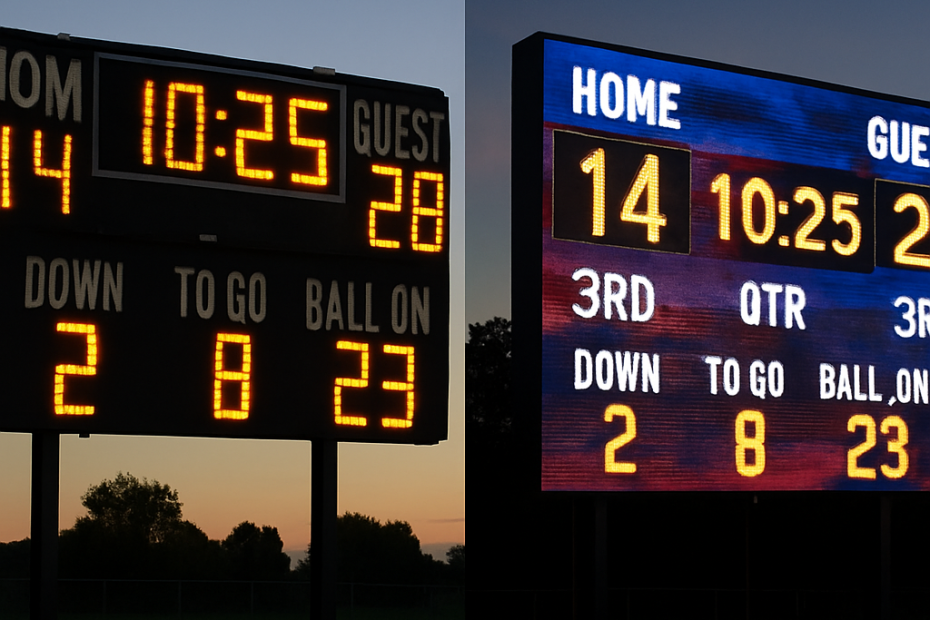
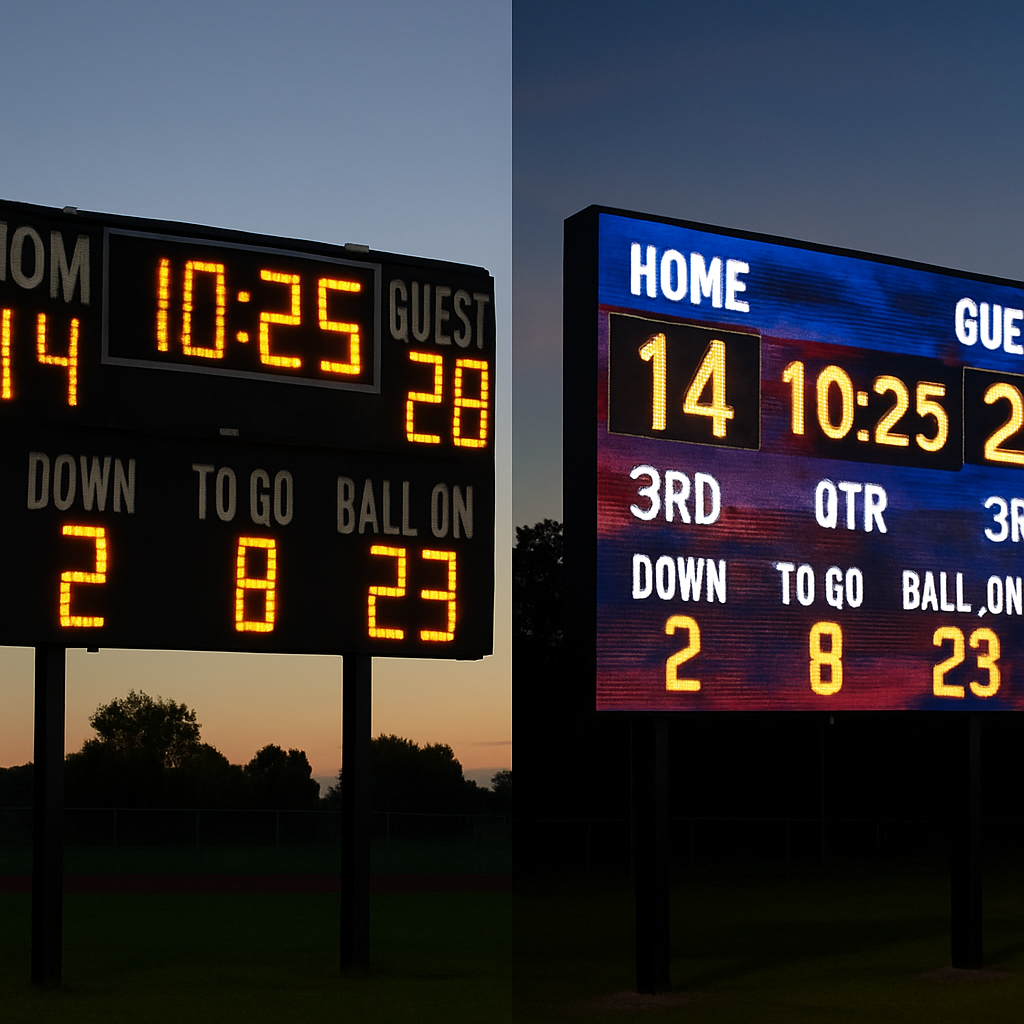
Walking into a stadium with a vibrant video scoreboard changes the energy before the first whistle even blows. But for most athletic directors and booster clubs, that initial excitement is quickly met with a daunting question: What is this actually going to cost our program? If you are looking at your old, flickering incandescent scoreboard and wondering if it is time to upgrade, you aren’t just buying a screen—you are investing in a digital hub for your entire community.
When researching video scoreboard price ranges, industry data suggests decision-makers should anticipate a broad spectrum, typically starting around $30,000 for basic indoor models and climbing well past $200,000 for expansive outdoor solutions. This wide gap exists because a modern led scoreboard is not a one-size-fits-all product like the fixed-digit models of the past. Much like shopping for a vehicle, the final sticker price depends heavily on performance features, size, and the specific structural demands of your facility.
Viewing the technology through a familiar lens clarifies the expenses. While a scoreboard video system functions similarly to a giant outdoor television, it is engineered quite differently to handle the rigors of public use. Unlike the TV in your living room, these displays must withstand rain, direct sunlight, and wind loads while maintaining visibility from hundreds of feet away, meaning you are paying for industrial-grade durability that consumer electronics simply cannot match.
However, the digital panel itself is often just the most visible part of the invoice. How much does a scoreboard cost in total? The answer lies not just in the hardware you see, but in the unseen infrastructure required to support it, from new steel beams to electrical upgrades. By understanding these cost drivers upfront, you can build a realistic budget that covers the project from the initial quote to the opening kickoff.
Why One 20-Foot Screen Costs Twice as Much as Another: The Truth About Pixel Pitch
If you placed two identical-looking 20-foot screens side by side, one might cost $40,000 while the other commands $80,000. The primary driver of this massive price difference is “pixel pitch,” a technical term that measures the density of the individual lights on your scoreboard led display. Think of this like the difference between a grainy newspaper photo and a glossy magazine print; the newspaper has visible dots and gaps (high pitch), while the magazine looks smooth (low pitch). In the world of LED, a lower number (like 6mm) means the lights are closer together, creating a sharper image but significantly increasing the hardware cost.
Choosing the right pitch isn’t about getting the sharpest image possible; it is about buying only the resolution your audience can actually see. A led video scoreboard meant for a gymnasium needs high clarity because parents are sitting just 20 feet away. However, an outdoor stadium board viewed from 300 feet away can use widely spaced pixels without looking blocky. Buying a high-resolution screen for a long-distance audience is simply throwing budget dollars at detail that the human eye cannot process from the bleachers. The “Distance Rule” helps find the sweet spot:
- Indoor Gyms (Close Viewing): 3mm to 6mm pitch
- High School Stadiums (Medium Viewing): 10mm to 16mm pitch
- Large Field Complexes (Far Viewing): 16mm to 20mm pitch
Every millimeter represents a significant jump in your budget because a tighter pixel pitch impact on display cost is driven by the sheer volume of diode materials required. By matching the millimeter rating to your specific venue size, you avoid overpaying for invisible resolution. However, the screen itself is often just the tip of the spear; next, look below the surface at the structural and electrical requirements that often surprise committees.
The ‘Iceberg Principle’ of Installation: Why the Screen is Only Half the Price
While securing a great price on the display hardware feels like a victory, the screen itself often represents only the portion of the project visible above the water. This is the “Iceberg Principle” of video boards: the most expensive components are frequently buried underground or hidden behind the steel casing. Many committees assume they can simply unbolt their old static scoreboard and hang a new video display on the existing columns to save money. Unfortunately, what determines structural stability and safety is rarely compatible with 30-year-old rusted pipes. Video displays are solid surfaces that catch the wind like a sail, creating massive torque that older structures were never designed to withstand.
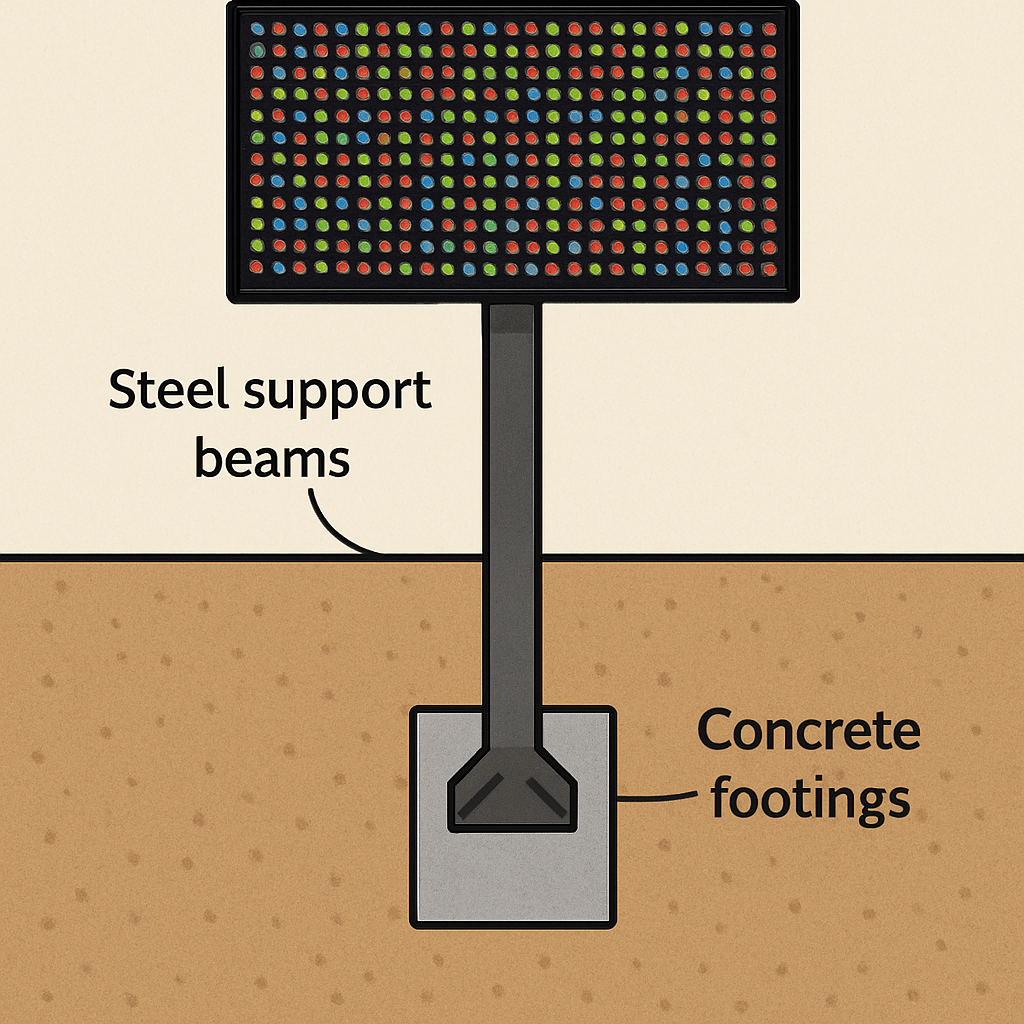
Structural engineering requirements are the most common budget-busters for schools and municipalities. Unlike traditional scoreboards which often have gaps between digits that allow air to pass through, a video board is a solid wall of polycarbonate and aluminum. To combat this increased wind resistance, engineers must design massive concrete footings and heavy-gauge I-beams that can hold the screen steady during a storm. This is why seeking turnkey installation services for sports venues is critical; a partner who handles the geological testing and steel fabrication prevents you from discovering a $15,000 foundation problem after the screen has already been delivered.
Ignoring these structural realities leads to the dangerous “Wind Load Trap,” where a project is stalled because the construction costs exceed the price of the technology. When asking how much to install digital scoreboard technology, a safe rule of thumb is to budget nearly 40-50% of your total funds for the steel, concrete, and cranes required to put it up. Once the steel is set and the concrete cures, the structure is safe, but the screen remains a dark monolith until we address the next hidden hurdle: the specialized electrical currents and data cabling required to wake it up.
Powering the Show: Electrical and Data Infrastructure Needs
Just because the structure is standing doesn’t mean the screen is ready to shine. While modern LEDs are energy efficient individually, an outdoor led scoreboard aggregates thousands of pixels that must compete with direct sunlight. This massive light output creates distinct outdoor led screen brightness requirements that often exceed what a stadium’s existing electrical panel can handle. When looking at a led video wall vs matrix scoreboard comparison, the difference is stark; old-school fixed digits sipped power gently, but a full video display demands dedicated, high-amperage circuits to maintain visibility on bright afternoons without tripping breakers during a game.
Getting the image from the press box to the end zone presents a logistical hurdle that standard computer cables cannot clear. Because copper wires lose signal strength over long distances, most stadium setups require fiber optic cabling to ensure the video plays smoothly without lag or jitter. This is where the “Trenching Surprise” often hits budgets; running conduit across a track or under a manicured field requires specialized labor and heavy machinery. If your facility lacks existing pathways, the cost to dig, lay fiber, and repair the landscape can easily add several thousand dollars to the final invoice.
Indoor gymnasiums face a gentler reality since they do not have to overpower the sun. An indoor screen runs at a fraction of the brightness, significantly reducing the electrical load and the initial hardware price tag compared to outdoor counterparts. However, whether you are powering a massive stadium display or a compact gym unit, the hardware is useless without a way to control it. With the power flowing and data connected, the final pricing variable is the command center: the software and computers that dictate what fans actually see.
Choosing ‘The Brain’: Software and Control Room Expenses
Even the most expensive high-resolution screen is essentially a blank canvas until you connect the creative engine that drives it. This component, often called the control system, acts as the “brain” to the display’s “body,” and it represents a significant portion of the total scoreboard cost that many committees overlook. While the video board hangs in the end zone, the computer rack sits in the press box, housing the media players and software licenses required to format scores, display sponsor ads, and run animations.
Selecting the right software package depends heavily on who will be pushing the buttons on Friday nights. If your operators are student volunteers, complex broadcasting suites might lead to errors rather than excitement; conversely, a simplified interface limits your show but guarantees reliability. Prices and complexity typically scale across three tiers:
- Basic: Displays score data and static sponsor logos only ($2,000–$5,000).
- Intermediate: Adds pre-loaded animations, hype videos, and simple transitions ($5,000–$10,000).
- Professional: Enables live video inputs, instant replay, and dynamic screen zoning ($15,000+).
Pushing into that professional tier introduces hardware expenses beyond just the computer. Enhancing fan engagement with replay screens requires integrating live cameras, video switchers, and capture cards into your list of video display control system components. A simple setup might use a single sideline camcorder, but a collegiate-style production demands multiple camera angles and a dedicated replay operator, rapidly inflating the budget. Once you have determined how you will control the content, the final price factor shifts back to the physical display itself: the massive structural differences between an Indoor Gymnasium vs. Outdoor Stadium.
Indoor Gymnasium vs. Outdoor Stadium: Why Environment Changes the Invoice
Sitting just twenty feet away from the baseline requires a much sharper image than looking across a football field from the bleachers. Because viewers are so close in an arena setting, indoor gymnasium video wall specifications prioritize tight pixel pitches to ensure the image looks like a smooth TV screen rather than a blocky mosaic. While this higher density of pixels usually increases the price per square foot, the physical screens are typically smaller than their outdoor counterparts, which helps balance the overall expense. However, these precision instruments are designed strictly for climate-controlled environments and lack the heavy-duty armor required to survive exposure to the elements.
Stepping outside introduces two aggressive enemies to electronics: direct sunlight and weather. An outdoor LED scoreboard must be roughly ten times brighter than an indoor model to remain visible against the glare of a midday sun, utilizing specialized high-brightness diodes that drive up manufacturing costs. Furthermore, these units require ruggedized cabinetry rated for “Ingress Protection” (IP), effectively sealing the internal components against driving rain, humidity, and dust. This industrial weatherproofing accounts for a massive portion of the hardware budget, as the display must withstand wind loads and temperature fluctuations that would instantly destroy a standard indoor unit.
Ignoring these environmental distinctions to save money is the fastest way to ruin a program’s investment. A common mistake is attempting to cut the cost of high school stadium led displays by using lower-grade cabinetry or insufficient brightness levels, resulting in a screen that looks washed out during day games or fails after the first heavy storm. Properly matching the hardware to the environment ensures the system survives the season, but purchasing the screen is only the beginning of the financial journey. Once the lights are on, you must plan for the ongoing reality of keeping them running year after year.
The Real Cost of Ownership: Maintenance and Longevity
Signing the final check for installation is merely the starting line for your budget, as the ongoing operational reality relies heavily on managing heat and power. What determines electronic scoreboard longevity is almost always how effectively the system stays cool; blocked vents or failed intake fans cause internal temperatures to spike, cooking the sensitive components and drastically shortening the display’s lifespan. While modern LED technology is energy-efficient, the sheer scale of these digital walls means you must budget for a noticeable bump in your monthly utility bill, largely driven by the cooling systems required to keep the “brain” of the board functioning during hot afternoon games.
Nothing ruins the visual impact of a highlight reel faster than a dead square on the screen, which makes purchasing a “parts bank” a non-negotiable requirement. LED modules are manufactured in specific batches—much like dye lots for carpet or tile—meaning a replacement module bought three years later will likely have a slightly different color tone than your original screen. To avoid a patchwork look, the average cost of led scoreboard for school stadium quotes usually includes a 2% to 5% supply of spare modules and power supplies from the original manufacturing run, sitting on your shelf ready for an immediate, color-matched swap.
Protecting this asset requires a routine similar to maintaining a fleet vehicle rather than a static billboard. Ignoring basic upkeep leads to preventable failures and skyrocketing maintenance expenses for collegiate video boards and high school displays alike. To keep the system running for a decade, your facilities team should commit to an annual schedule:
- Intake Maintenance: Cleaning or replacing air filters to prevent overheating.
- Connection Audits: Tightening data cables and power connections loosened by wind vibration.
- Software Health: Installing updates to ensure compatibility with new laptop inputs or camera feeds.
With a clear picture of the long-term costs, the conversation naturally shifts to the most attractive feature of digital displays: their unique ability to pay for themselves.
Turning Cost into Profit: Generating Ad Revenue
Viewing a digital display solely as a heavy line item misses its most powerful financial attribute: it is the only piece of equipment in your stadium capable of writing checks back to the school. While the initial video scoreboard price can be intimidating, the shift from static metal signs to digital pixels dramatically expands your advertising inventory. Instead of being limited to four or five permanent ad panels that stay up all season, a digital screen allows you to rotate dozens of local sponsors throughout a single game, turning the display into a dynamic commercial hub that serves the entire business community.

Maximizing this potential requires a structured approach to generating ad revenue through digital signage, often starting with high-tier “Founding Partnerships.” Athletic directors successful in this area typically secure five-year commitments from major local entities—such as hospitals, car dealerships, or banks—to cover the hardware costs before installation even begins. By offering these premium partners “moments of exclusivity” where their brand dominates the entire screen during touchdowns or timeouts, you can command higher rates while still reserving rotating slots for smaller businesses that want to support the team on a tighter budget.
When this revenue model is executed correctly, the conversation shifts from simply covering costs to creating a sustainable income stream that changes how you approach budgeting for stadium technology upgrades in the future. The revenue generated often exceeds the annual operational costs, creating a surplus that can fund uniforms, field maintenance, or other department needs long after the screen is paid off. However, not every program has the liquidity to wait for sponsorship checks to clear before breaking ground, which makes understanding the nuances of leasing and financing the next critical step in your procurement journey.
Buying vs. Leasing: Financing Options for Athletic Departments
Even with a solid sponsorship plan in place, handing over a lump sum of $100,000 or more is often legally or practically impossible for public schools. This cash-flow gap is why many districts turn to lease-purchase agreements rather than traditional capital expenditures. By spreading the scoreboard cost over five to seven years, you can match your annual payments directly to incoming advertising revenue, essentially allowing the screen to pay for itself in real-time without draining your general fund.
Navigating the procurement process can be just as challenging as finding the funds, but national cooperative purchasing contracts offer a strategic shortcut. Instead of spending months writing complex RFPs and waiting for bids, you can utilize pre-negotiated contracts (like Sourcewell or TIPS) that satisfy state bidding laws. This approach streamlines the acquisition of financing options for athletic scoreboards, ensuring you get vetted vendors and volume pricing without the administrative headache of a standalone tender process.
Every program operates under different constraints, so selecting the right financial vehicle is critical for long-term stability. While the debate of rental vs purchase for sports tournaments applies to temporary events, permanent facility upgrades generally fall into three primary funding buckets:
- Lease-Purchase Programs: Allow you to pay annually using sponsorship dollars, keeping capital reserves intact.
- Municipal Bonds: Ideal for large-scale stadium renovations where the video board is just one part of a broader construction project.
- Booster Club Fundraising: Best for smaller installations where the community raises the full amount upfront to gift the asset to the school.
Summary Checklist: Your Step-by-Step Budgeting Action Plan
You started this journey likely seeing a video board as just a giant television, but you now recognize it as a construction project with a digital face. The “sticker price” is no longer a mystery, but a logical calculation of hardware quality, structural reality, and operational needs. You have moved past the initial shock of the video scoreboard price and can now see the full “iceberg”—understanding that the steel beams and electrical permits are just as vital as the pixels themselves.
To move from browsing to buying, gather specific data before contacting manufacturers. Vendors can provide far more accurate quotes—and will respect your budget constraints—when you come to the table prepared. Use this roadmap to define exactly how much to install digital scoreboard technology for your specific facility:
- Measure viewing distance: Determine your ideal pixel pitch by measuring how far the average fan sits from the screen locati0n.
- Audit electrical capacity: Confirm if your current power supply can handle the load or if you need to budget for a new sub-panel.
- Quote steel/foundation: Consult a local engineer to see if your existing beams can support the weight and wind load of a new led video scoreboard.
- Select software tier: Decide if you need simple score-keeping (student-run) or advanced instant replay (pro-level production).
- Build sponsorship deck: Estimate potential ad revenue to show stakeholders how the board eventually pays for itself.
With these numbers in hand, you are ready to face your school board or booster committee. You aren’t just asking for funds; you are presenting a calculated investment case. You can confidently explain why the cheapest hardware might cost more long-term due to power consumption or poor durability, and how the right software turns a static display into a revenue-generating engine.
Ultimately, this investment is about more than pixels; it is about the energy of the crowd when a replay hits the screen and the pride a community feels in their home field. You now have the blueprint to navigate the market without overspending. Trust your research, stick to your budget plan, and prepare to flip the switch on a new era for your program.
Contact us for your video scoreboard, Ada: 86-137 2375 4264