
Embracing Technology for Urban Efficiency
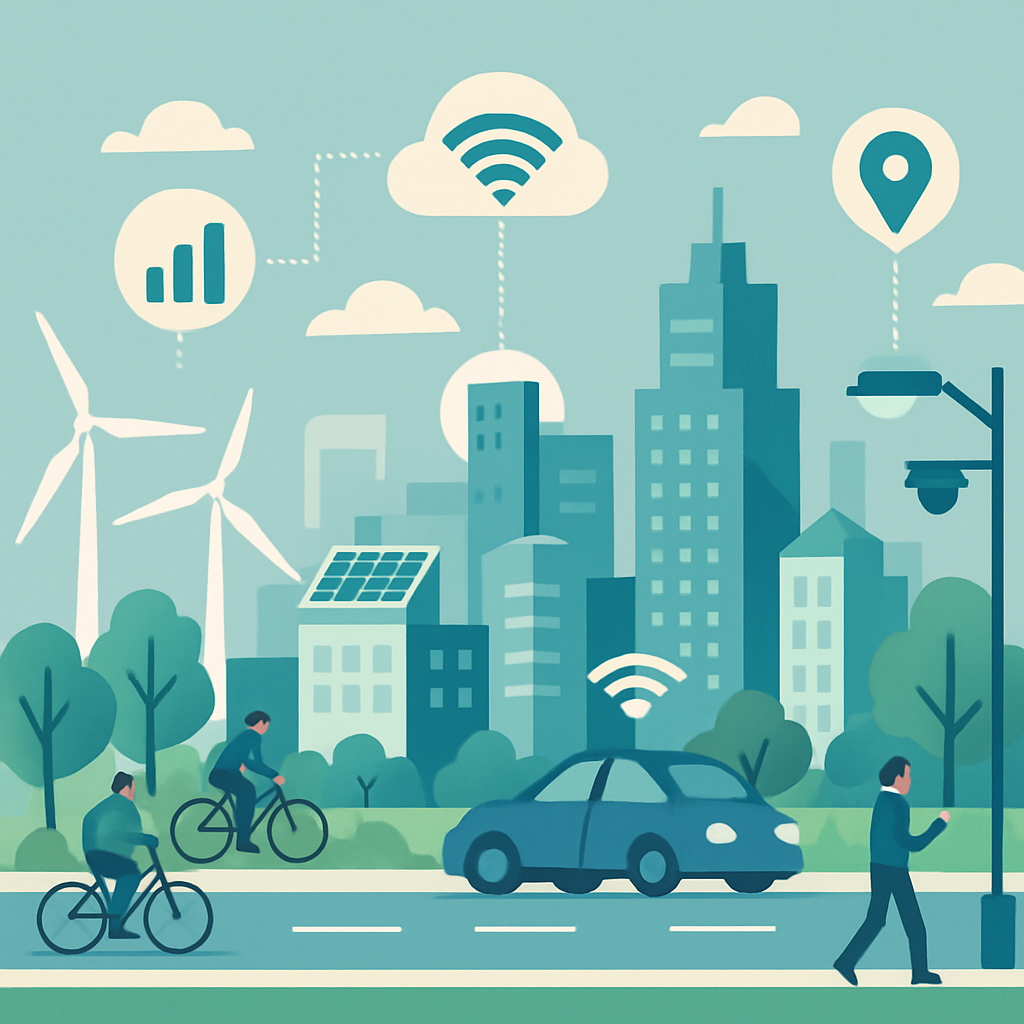
Smart cities leverage technology to enhance urban efficiency and improve quality of life for their residents. By integrating digital solutions into the fabric of city infrastructure, these urban centers can provide more responsive services and better management of resources. In Southeast Asia, cities such as Singapore are at the forefront of this movement, using technology to solve common urban challenges like traffic congestion and pollution.
Leading Examples of Smart Cities
Singapore stands out as a leader in smart city initiatives, with its Smart Nation program serving as a blueprint for other cities in the region. The city-state has implemented a variety of innovative solutions, including autonomous vehicles, smart traffic management systems, and advanced waste management technologies. These efforts not only enhance the livability of the city but also set a standard for sustainable urban development.
The Strategic Role of Outdoor Kiosks
Outdoor kiosks are a pivotal element in the deployment of smart city solutions. Positioned in strategic locations, these kiosks facilitate easy access to a multitude of services, from public information to financial transactions. By bridging the gap between the digital and physical realms, kiosks help create a more connected and efficient urban environment.
The Role of Outdoor Kiosks in Urban Technology
Information Dissemination and Connectivity
Outdoor kiosks serve as vital information hubs, providing residents and tourists with real-time data on public transportation schedules, weather updates, and local events. This accessibility to information empowers individuals to navigate the city with ease and efficiency. Furthermore, the integration of Wi-Fi capabilities in these kiosks ensures that even those without personal internet access can stay connected, thus narrowing the digital divide and promoting inclusivity.
Enhancing Public Services
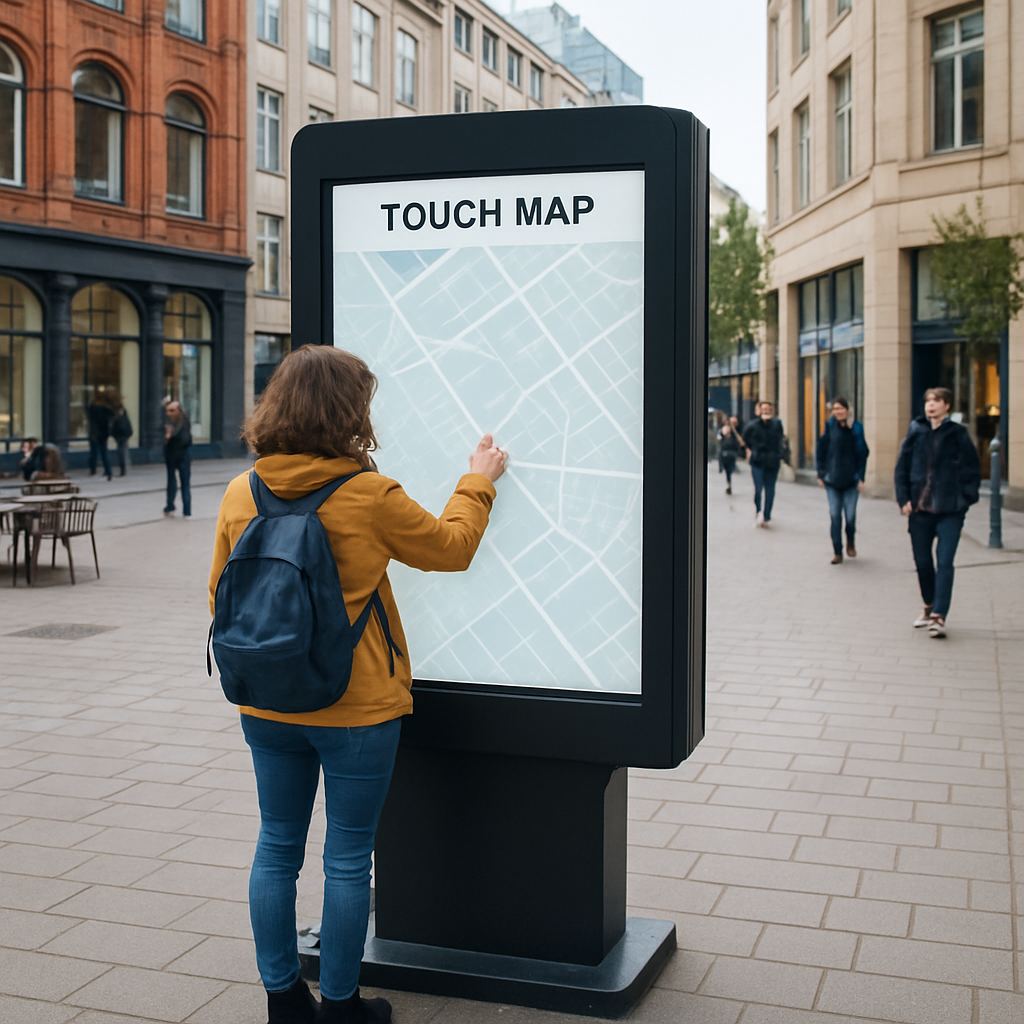
Kiosks streamline public services by automating processes that traditionally required human interaction. For instance, ticket kiosks reduce the need for staffed counters, allowing citizens to purchase tickets for public transport and events quickly and independently. Additionally, multilingual support at welcome kiosks in airports and transit hubs ensures that international visitors can navigate the city without language barriers, enhancing their overall experience.
Facilitating Transactions
Outdoor kiosks offer secure and efficient means for conducting financial transactions, such as paying utility bills or purchasing goods and services. This functionality is particularly advantageous in regions where cash is still the primary mode of payment, as kiosks often accommodate both cash and digital payments. By offering flexibility in payment options, kiosks cater to a diverse range of users, thus encouraging broader adoption of digital payment methods.
Different Types of Kiosks in Southeast Asian Smart Cities
Wall Mounted and Tabletop Kiosks

Wall mounted kiosks and tabletop kiosks are ideal for urban settings due to their space-efficient designs. These kiosks are strategically installed in high-traffic areas, such as shopping malls, train stations, and airports, to maximize their accessibility and utility. Wall mounted kiosks are designed to be user-friendly while occupying minimal space, making them suitable for crowded environments. Tabletop kiosks, often found in dining establishments, facilitate QR ordering and self-service options, thus reducing wait times and enhancing order accuracy.
Outdoor Kiosks
Outdoor kiosks are engineered to withstand harsh weather conditions, making them perfect for installation in parks, squares, and transport hubs. These kiosks are built with robust enclosures and advanced cooling systems to ensure reliable performance in tropical climates. Their durability and versatility make them indispensable components of smart city infrastructure, supporting seamless service delivery across various urban locations.
Ticket Kiosks
Ticket kiosks are prevalent in smart cities, providing a convenient and efficient way to purchase tickets for public transportation and events. These kiosks streamline the ticketing process, reducing reliance on staffed counters and allowing for self-service transactions. The incorporation of QR code technology in these kiosks enhances user convenience by enabling contactless transactions, a feature that has gained importance in the context of the COVID-19 pandemic.
The Impact of Outdoor Kiosks on Smart Cities
Improving Urban Mobility
Outdoor kiosks significantly enhance urban mobility by offering real-time information on public transport schedules and route planning. This empowers commuters to make informed travel decisions, thereby minimizing delays and increasing the overall efficiency of transportation networks. Additionally, strategically placed ticket kiosks facilitate quick access to public transportation, encouraging greater use of mass transit systems and reducing dependence on personal vehicles.
Enhancing Citizen Engagement
Outdoor kiosks foster citizen engagement by serving as platforms for public communication. They can display important announcements, gather feedback through interactive surveys, and act as digital notice boards for community events. This level of interaction promotes a sense of community and encourages citizens to actively participate in the development and improvement of their urban environment.
Driving Economic Growth
The deployment of outdoor kiosks in smart cities stimulates economic growth by supporting local businesses. Kiosks provide advertising space and facilitate transactions, enabling businesses to reach a wider audience. Moreover, by enhancing city infrastructure and services, kiosks make urban areas more attractive to tourists and investors, thus boosting local economies and creating new opportunities for growth.
The Future of Kiosks in Smart Cities
As technology continues to evolve, the role of outdoor kiosks in smart cities is set to expand. Future kiosks may integrate advanced technologies such as artificial intelligence, augmented reality, and biometric authentication to offer more personalized and secure services. The incorporation of these technologies will further enhance the capabilities of kiosks, making them indispensable tools in the ongoing development of smart cities across Southeast Asia.
Conclusion
Outdoor kiosks are a vital component of smart city infrastructure in Southeast Asia. By providing essential services, enhancing connectivity, and improving urban mobility, kiosks contribute significantly to the efficiency and livability of modern cities. As smart city initiatives continue to gain momentum, the deployment of outdoor kiosks will play an increasingly important role in shaping the future of urban environments in the region. Whether through facilitating transactions, disseminating information, or engaging citizens, outdoor kiosks are powering the transformation of Southeast Asian cities into smarter, more sustainable urban centers.