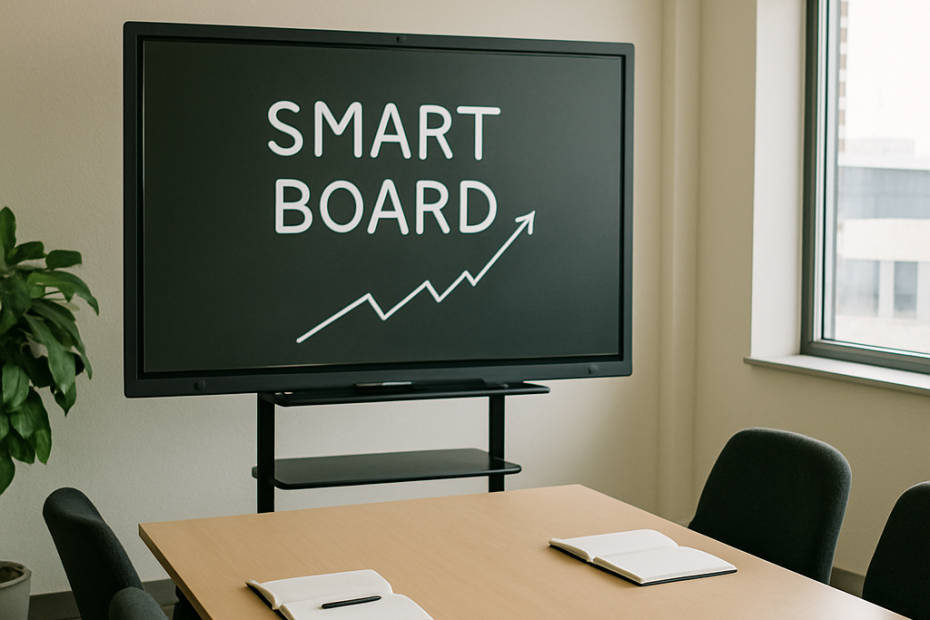
In today’s digital age, interactive technology is revolutionizing the way we teach and present information. Smart boards, also known as interactive whiteboards, have become a staple in classrooms and meeting rooms around the world. They not only facilitate dynamic presentations but also enhance collaboration and engagement in various educational and professional settings. But how much does a smart board cost, and what factors influence the price? Let’s dive into the details.
Before we get into the costs, it’s important to understand what a smart board is and how it functions. A smart board is an interactive display that connects to a computer, allowing users to control the computer using touch or specialized pens. This technology can enhance learning and presentations by making them more engaging and interactive.
Smart boards offer a seamless touch interaction experience, allowing users to interact directly with the display. This feature transforms the traditional presentation into an interactive session, where users can manipulate data, images, and presentations with just a touch. The intuitive interface makes it easy for users of all ages and technical expertise to engage with the content effectively.
Many smart boards support multi-user interactions, enabling several individuals to collaborate simultaneously. This capability is particularly beneficial in team settings, fostering collaborative problem-solving and brainstorming sessions. Multi-user functionality ensures that everyone can contribute, making meetings and classroom sessions more productive and inclusive.
One of the standout features of smart boards is the ability to annotate digitally. Users can write or draw directly on the board and save their notes for future reference. This feature is invaluable in educational settings, where instructors can highlight key points and facilitate better understanding. In business environments, digital annotation supports effective communication and documentation of ideas.
Smart boards seamlessly connect with computers, tablets, and other devices, offering versatile integration options. This connectivity ensures that users can easily switch between different devices and display content from various sources. Whether it’s streaming a video from a tablet or displaying a presentation from a laptop, smart boards offer flexible connectivity to suit diverse needs.
Smart boards come with various educational and business software that enhances their functionality. These software solutions are designed to optimize the interactive experience, offering tools for collaboration, assessment, and content creation. The integration of specialized software ensures that users can maximize the potential of their smart boards in achieving their educational and professional goals.
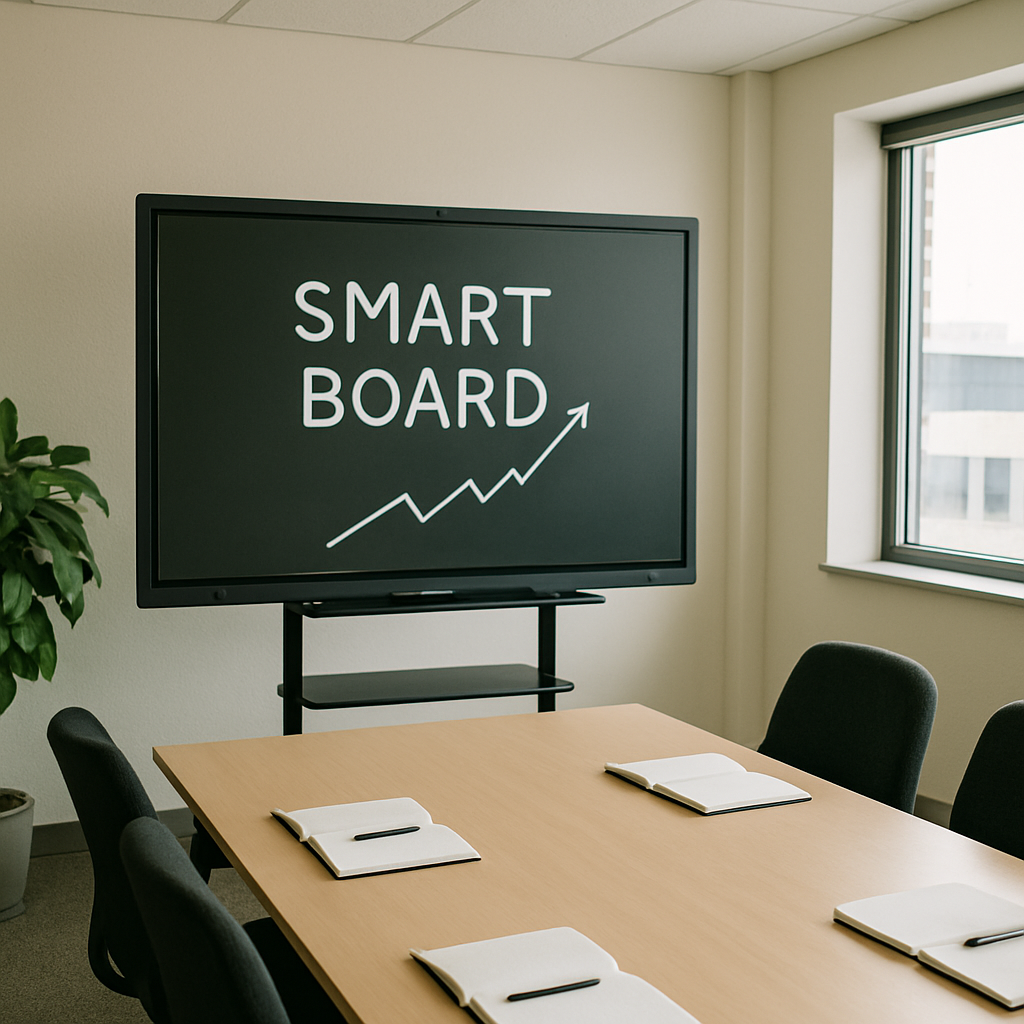
Several factors can influence the cost of a smart board. Understanding these factors can help buyers make informed decisions and choose a smart board that meets their specific needs and budget constraints.
Size of the Smart Board
Variety in Sizes
Smart boards come in various sizes to accommodate different spaces and user requirements. The size of the board is a significant factor in determining the cost, with larger boards typically commanding higher prices. When choosing the size, consider the room’s dimensions and the number of users to ensure optimal visibility and interaction.
Impact on Cost
The correlation between size and cost is straightforward: as the size increases, so does the price. This is due to the additional materials and technology required to produce larger displays. Buyers should weigh the benefits of a larger board against their budget to make the best choice for their environment.
Ideal Size Selection
Selecting the ideal size involves assessing the intended use and audience. For small classrooms or meeting rooms, a smaller board may suffice, while larger spaces might necessitate a bigger board for better visibility. It’s important to strike a balance between size, functionality, and cost to achieve the best outcome.
Technology and Features
Touch Sensitivity
The touch sensitivity of a smart board plays a crucial role in its functionality and cost. Boards with advanced touch technology, such as multi-touch support, offer a more interactive experience. These enhanced features typically result in higher costs but provide superior user interaction and engagement.
Resolution Quality
Higher resolution displays offer clearer and more detailed visuals, enhancing the overall user experience. Boards with high-resolution capabilities are ideal for presentations that require detailed imagery or text. While these boards may be more expensive, the investment pays off in environments where visual clarity is paramount.
Advanced Functionalities
Smart boards with advanced features, such as gesture recognition and pressure sensitivity, provide a more dynamic interaction experience. These functionalities are particularly beneficial in creative and educational settings, where users can explore innovative ways to engage with content. The inclusion of such cutting-edge technologies can significantly impact the board’s cost.
Brand and Model
Brand Reputation
The brand of a smart board can significantly influence its price. Established brands often command higher prices due to their reputation for quality, reliability, and customer support. Buyers should consider the brand’s track record and read reviews to determine if the premium price is justified by the features and services offered.
Model Variations
Different models within a brand can vary widely in terms of features and pricing. It’s important to compare models to find the one that best meets your needs and budget. The latest models may offer the newest technology, but previous models can provide excellent value for those looking to save on costs.
Impact of Competition
Competition among brands can lead to price variations, with some brands offering competitive pricing to capture market share. Buyers can leverage this competition to find deals and discounts, ensuring they get the best value for their investment.
Installation and Additional Equipment
Installation Costs
The installation process for smart boards can add to the overall expense. Professional installation ensures that the board is set up correctly and functions optimally. Buyers should factor in these costs when budgeting for their smart board purchase to avoid unexpected expenses.
Additional Equipment
In some cases, additional equipment such as projectors, mounting kits, or software licenses may be required. These extras can enhance the board’s functionality but also increase the overall cost. Buyers should assess their specific needs and consider whether these additional components are necessary for their setup.
Long-term Investment
Investing in quality installation and additional equipment can result in a more reliable and efficient setup. While these initial costs may be higher, they contribute to a better user experience and can prevent issues down the line, making them a worthwhile investment.
Warranty and Support
Importance of Warranty
Extended warranties can provide peace of mind by protecting against potential issues and defects. A comprehensive warranty ensures that buyers are covered in case of malfunctions or damage, offering long-term security for their investment.
Support Services
Access to reliable support services is crucial for troubleshooting and resolving technical issues. Many brands offer customer support as part of their package, ensuring that users can get assistance when needed. The quality of support can impact the overall cost but is an essential factor in maintaining the board’s functionality.
Cost-benefit Analysis
While extended warranties and support services may increase the total cost, the benefits they provide in terms of security and assistance can outweigh the additional expense. Buyers should consider the potential risks and advantages when deciding whether to invest in these services.
Typical Costs of Smart Boards
Now, let’s talk numbers. Here’s a breakdown of what you might expect to pay for a smart board, depending on its features and specifications.
Entry-Level Smart Boards
Basic Features
Entry-level smart boards, suitable for small classrooms or offices, typically range from $1,500 to $3,000. These boards offer fundamental features that cater to basic interactive needs, making them an ideal choice for those on a tight budget. They provide essential functionality without the frills of advanced models.
Ideal Use Cases
These boards are perfect for environments where budget constraints are a primary concern, and basic interactivity suffices. Small educational institutions and businesses can benefit from the cost-effectiveness of entry-level models while still enhancing their teaching or presentation capabilities.
Cost Considerations
While entry-level boards are more affordable, buyers should ensure that the board meets their specific requirements. It’s essential to balance cost with the necessary features to avoid compromising on functionality and user experience.
Mid-Range Smart Boards
Enhanced Technology
For more advanced features and larger sizes, mid-range smart boards can cost between $3,000 and $5,000. These models offer better technology, such as improved touch sensitivity and higher resolution displays, making them suitable for larger spaces and more demanding applications.
Versatility
Mid-range boards provide a versatile solution for various environments, from medium-sized classrooms to conference rooms. The enhanced features ensure a more engaging and interactive experience, accommodating diverse user needs and preferences.
Value for Money
The price range of mid-range boards strikes a balance between cost and functionality, offering excellent value for those seeking enhanced features without breaking the bank. Buyers should consider the added benefits against their budget to determine if this category meets their needs.
High-End Smart Boards
Cutting-edge Features
Top-of-the-line smart boards, equipped with the latest technology and features, can cost anywhere from $5,000 to $10,000 or more. These boards offer state-of-the-art functionalities, including advanced touch technology, ultra-high resolution, and seamless integration with various devices.
Target Audience
High-end smart boards are ideal for large institutions or businesses that require the best in interactive technology. They cater to environments where cutting-edge features are necessary to support complex presentations and collaborative efforts.
Investment Justification
While the upfront cost of high-end boards may be significant, the investment is justified by the superior performance and advanced capabilities they offer. Buyers should evaluate their long-term needs and the potential benefits to determine if a high-end board is the right choice.
Comparing Smart Board Costs to LP Smart Siding and Hardie Board
While smart boards are a digital tool, it’s interesting to compare them to construction materials like LP Smart Siding and Hardie Board. Both are popular choices in building exteriors and have their own cost considerations.
LP Smart Siding vs. Hardie Board Cost
LP Smart Siding Affordability
LP Smart Siding is generally more affordable, with prices ranging from $2 to $5 per square foot. It’s known for being lightweight and easy to install, making it a popular choice for budget-conscious projects. Its cost-effectiveness and ease of use make it an attractive option for many homeowners and builders.
Hardie Board Durability
Hardie Board, on the other hand, is slightly more expensive, ranging from $3 to $7 per square foot. It’s valued for its durability and resistance to weather damage, offering long-term protection for building exteriors. The higher cost is offset by its longevity and low maintenance requirements, making it a worthwhile investment for those seeking resilience.
Pros and Cons
Both materials have their pros and cons, much like choosing between different smart board models. LP Smart Siding offers affordability and ease of installation, while Hardie Board provides superior durability and weather resistance. Buyers should consider their specific needs and budget when choosing between these options, weighing the initial costs against the long-term benefits.
Making the Right Choice for Your Needs
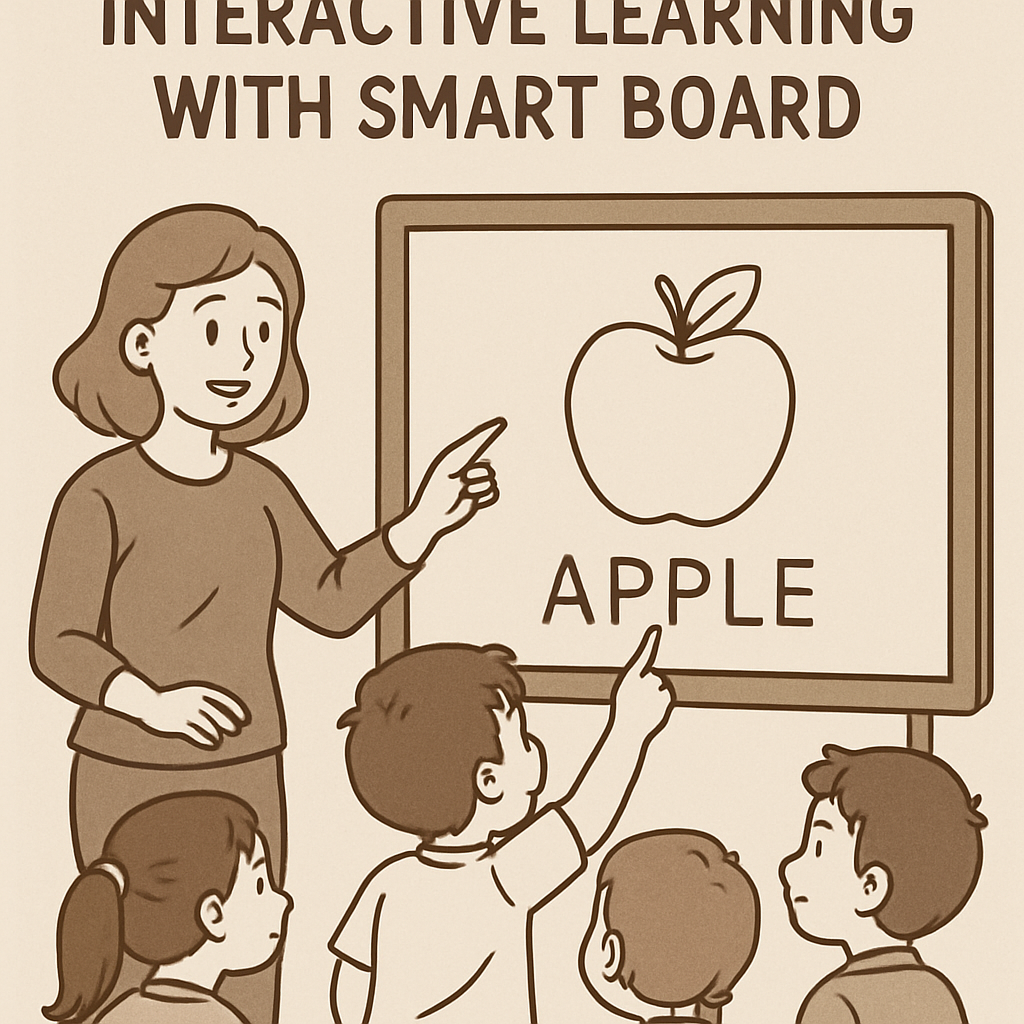
When considering purchasing a smart board, it’s essential to evaluate your specific needs and budget. Here are some tips to guide you in making the right choice.
Assess Your Space
Room Size Evaluation
Consider the size of the room where the smart board will be used to determine the appropriate size. The board should be visible from all areas of the room, ensuring that everyone can engage with the content. Assessing the space helps in selecting a board that fits well and optimizes user interaction.
User Accessibility
Ensure that the board is accessible to all users, taking into account the height and positioning. Proper placement enhances usability and ensures that everyone can participate in interactive sessions effectively. Accessibility is crucial in maximizing the board’s potential and fostering an inclusive environment.
Future Expansion
Think about potential future expansions or changes to the space. Choosing a board that can adapt to evolving needs ensures long-term usability and avoids the need for frequent upgrades. Planning for future growth helps in making a sustainable investment.
Determine Necessary Features
Feature Prioritization
Decide which features are essential for your use, such as multi-touch capability or high resolution. Prioritizing features helps in narrowing down options and selecting a board that aligns with your specific requirements. Focus on the functionalities that will enhance your presentations and interactions.
Budget Alignment
Align your feature preferences with your budget to find a board that offers the best value. It’s important to balance desired features with affordability to make a practical choice. Budget alignment ensures that you get the most out of your investment without overspending.
Customization Options
Some smart boards offer customization options, allowing you to select features based on your needs. Explore these options to tailor the board to your specific use case, ensuring that it meets your expectations and enhances your experience.
Research Brands and Models
Brand Comparison
Look into various brands and read reviews to find a reliable option within your budget. Comparing brands helps in identifying those with a strong reputation for quality and customer support. Brand research is essential in making an informed decision and avoiding potential pitfalls.
Model Evaluation
Evaluate different models to understand the range of features and pricing. Consider the pros and cons of each model to determine which one best fits your needs. Model evaluation provides insights into the capabilities and limitations of each option, guiding you toward the right choice.
Customer Testimonials
Read customer testimonials and case studies to gain insights into real-world experiences with the boards. Feedback from other users can highlight potential issues and confirm the board’s suitability for your needs. Testimonials offer valuable perspectives that can influence your decision-making process.
Consider Future Needs
Anticipate Changes
Think about how your needs might change over time and choose a board that can grow with you. Anticipating future requirements ensures that the board remains relevant and useful for years to come. Planning for change helps in making a forward-thinking investment.
Scalability
Select a board that offers scalability, allowing you to expand its capabilities as needed. Scalability ensures that the board can adapt to new technologies and evolving user demands. A scalable solution provides long-term value and flexibility.
Long-term Goals
Align your smart board choice with your long-term educational or business goals. Ensure that the board supports your strategic objectives and contributes to your success. Focusing on long-term goals guides your investment toward meaningful and impactful outcomes.
Conclusion
Smart boards are a valuable investment for educational and professional settings, offering interactive and engaging ways to present information. By understanding the factors that influence smart board costs, you can make an informed decision that fits your budget and meets your needs. Whether you opt for an entry-level model or a high-end board, the right choice will enhance your learning or presentation experience. Investing in the right smart board ensures that you can leverage technology to achieve your objectives, fostering a dynamic and collaborative environment.