# How Flexible LED Screens Transform Advertising
In the dynamic world of advertising, staying ahead of the curve is crucial. One of the latest innovations transforming the industry is the flexible LED display screen. These screens are not just a trend; they are a revolution that provides endless possibilities for advertisers. In this article, we will explore how flexible LED screens are changing the advertising game and why they should be a part of your marketing strategy.
Catalogue
- What’s Flexible LED Screen?
- Advantages of Using Flexible LED Screens in Advertising
- Real-World Applications of Flexible LED Screens
- How to Implement Flexible LED Screens in Your Advertising Strategy
- Future Trends in Flexible LED Screen Advertising
- FAQ
- Conclusion
What’s Flexible LED Screen?
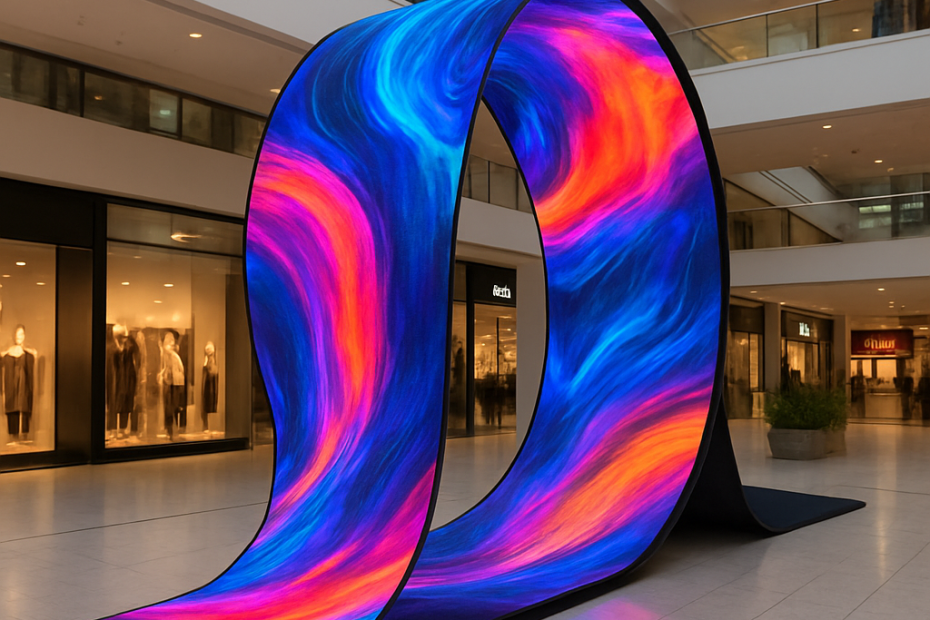
Flexible LED screens are a type of display technology that allows the screen to bend and curve. Unlike traditional flat screens, these displays can be shaped and molded to fit various surfaces and environments. This flexibility makes them perfect for creative advertising campaigns that require unique installations.
The Technology Behind Flexible LED Screens
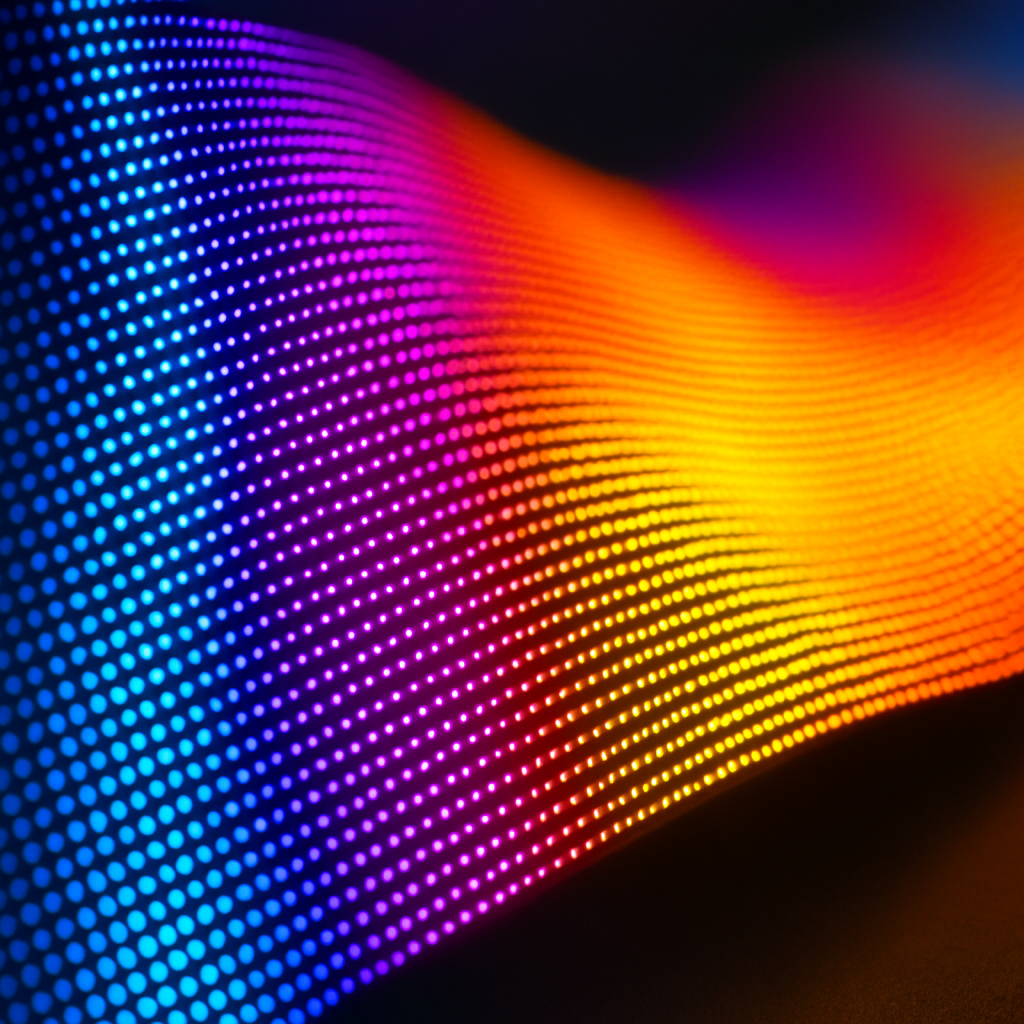
The core technology of flexible LED screens is based on light-emitting diodes (LEDs), which are known for their brightness and energy efficiency. The flexibility comes from the use of malleable materials and innovative design techniques that allow the screens to bend without damaging the delicate electronic components.
Advantages of Using Flexible LED Screens in Advertising
Flexible LED screens offer several advantages that make them ideal for modern advertising. Let’s take a closer look at some of these benefits.
Versatility in Design

One of the most significant advantages of flexible LED display screens is their versatility. Advertisers can create eye-catching displays that conform to any shape or surface. Whether it’s a column in a mall, a curved wall in a stadium, or an irregularly shaped outdoor structure, flexible LED screens can adapt to fit the space perfectly.
Enhanced Engagement
Flexible LED screens captivate audiences by offering vibrant, high-resolution visuals that traditional displays can’t match. The dynamic content and innovative designs made possible by these screens increase viewer engagement, making them more likely to remember the advertisement.
Cost-Effectiveness and Energy Efficiency
While the initial investment in flexible LED screens may be higher than traditional displays, they are more cost-effective in the long run. LEDs consume less power, reducing energy costs. Additionally, their durability and longevity mean fewer replacements and maintenance, saving money over time.
Real-World Applications of Flexible LED Screens
Flexible LED screens are making waves across various industries. Here are some real-world applications where these screens are being used to great effect.
Retail Environments
In retail, creating an immersive shopping experience is key to attracting customers. Flexible LED screens allow retailers to design stunning, interactive displays that enhance the customer journey. From dynamic window displays to interactive in-store experiences, these screens can transform any retail space.
Events and Exhibitions

Events and exhibitions are all about creating memorable experiences. Flexible LED screens provide event organizers with the tools to craft unique visual storytelling experiences. Whether it’s a concert, trade show, or corporate event, these screens can be used as stage backdrops, interactive information booths, or even digital art installations.
Architectural Installations
Architects and designers are increasingly using flexible LED displays to enhance building facades and public spaces. These screens can be seamlessly integrated into the architecture, adding dynamic elements to buildings and public areas that capture the attention of passersby.
How to Implement Flexible LED Screens in Your Advertising Strategy
If you’re considering incorporating flexible LED screens into your advertising strategy, here are some steps to get started.
Assess Your Needs and Goals
Begin by identifying the specific needs and goals of your advertising campaign. Consider the spaces where the screens will be installed, the type of content you want to display, and the audience you aim to reach. This will help you determine the best approach for integrating flexible LED displays into your strategy.
Collaborate with Creative Professionals
Working with designers, architects, and technology experts can help you maximize the potential of flexible LED screens. These professionals can offer insights into the best ways to utilize the screens to create impactful displays that align with your campaign objectives.
Choose the Right Technology Partner
Selecting the right technology partner is crucial for the successful implementation of flexible LED screens. Look for a company with experience in delivering high-quality LED display solutions and a track record of successful projects. They should offer support throughout the installation process and provide ongoing maintenance and technical assistance.
Future Trends in Flexible LED Screen Advertising
The future of advertising with flexible LED screens is promising. As technology advances, we can expect even more innovative applications and improved performance. Here are some trends to watch for:
Increased Interactivity
Future flexible LED screens will likely incorporate more interactive features, allowing audiences to engage with content in new ways. This could include touch-sensitive displays or integration with mobile devices for personalized experiences.
Wider Adoption Across Industries
As the technology becomes more accessible and affordable, we can expect to see flexible LED screens adopted by a wider range of industries. From healthcare to education, these screens will be used to create engaging and informative displays that cater to diverse audiences.
Enhanced Sustainability
With a growing emphasis on sustainability, future LED displays will focus on reducing environmental impact. This could involve the use of eco-friendly materials and energy-efficient components that minimize the carbon footprint of advertising installations.
FAQ
What pixel pitches are available?
Common pixel pitches include P1.2, P1.5, P1.8, P2, P2.5, and P3. Custom options are available for specific projects.
Are flexible LED screens suitable for outdoor use?
Most flexible LED screens are designed for indoor use. Outdoor flexible LED screens are available but require special waterproof and UV-resistant designs.
How are flexible LED screens installed?
Installation methods include:
Adhesive-assisted fixing (project-dependent)
Magnetic mounting
Frame-based installation
Customized curved structures
Can flexible LED screens display normal videos and images?
Yes. They support standard video formats, images, text, animations, and live signals, just like traditional LED screens.
Are flexible LED screens durable?
TYes. High-quality flexible LED modules are shock-resistant and designed to withstand bending during installation, but repeated excessive bending should be avoided.
Conclusion
Flexible LED screens are transforming the advertising landscape by offering unprecedented design flexibility, enhanced engagement, and long-term cost savings. As more industries embrace this technology, advertisers have the opportunity to create innovative campaigns that captivate audiences and leave a lasting impression. By incorporating flexible LED screens into your advertising strategy, you can stay ahead of the competition and deliver powerful, memorable messages to your audience.