

Digital out-of-home advertising refers to the digital screens found in public spaces, such as streets, malls, airports, and transit hubs. Unlike traditional billboards, these digital signs can display a variety of content, from static images to videos, and even live data feeds. They can be programmed to change content based on the time of day, weather conditions, or audience demographics.
The Evolution of Digital Signage
The journey of digital signage from static displays to dynamic content hubs is remarkable. Initially, digital screens served as simple replacements for traditional billboards, but today, they are equipped with sophisticated technologies that allow real-time content updates. The integration of IoT devices and sensors has further enhanced their capabilities, enabling advertisers to create content that is not only visually appealing but also contextually relevant.
Integration with Advanced Technologies
The adoption of digital signage has grown significantly due to its flexibility and ability to engage audiences in real-time. With the integration of technologies like artificial intelligence and data analytics, advertisers can deliver more personalized and relevant messages to their target audiences. AI algorithms can analyze consumer behavior and preferences, allowing for tailored advertising strategies that resonate on a personal level.
Global Reach and Local Adaptation
Digital signage has a global reach, yet it can be localized to cater to specific audiences. This dual capability is a game-changer for advertisers looking to maintain brand consistency while adapting to regional preferences. Brands can create a unified global campaign while incorporating local languages, cultural nuances, and seasonal trends to enhance relatability and engagement.
The Advantages of DOOH Advertising
There are several reasons why digital out-of-home advertising is becoming a preferred choice for brands.
Dynamic and Flexible Content
One of the biggest advantages of DOOH is its ability to change content dynamically. This flexibility allows advertisers to tailor messages based on various factors, such as the time of day or specific events happening in the area. For instance, a coffee shop can display a breakfast promotion in the morning and switch to a lunch special by noon. Advertisers can also leverage real-time data, such as traffic patterns or weather conditions, to optimize their messaging for maximum impact.
Increased Engagement
Digital screens are more engaging than traditional static billboards. They can display animations, videos, and interactive content that capture the attention of passersby. This increased engagement can lead to higher brand recall and conversion rates. The interactive nature of digital screens encourages active participation from consumers, creating memorable brand experiences that foster loyalty and advocacy.
Programmatic Advertising
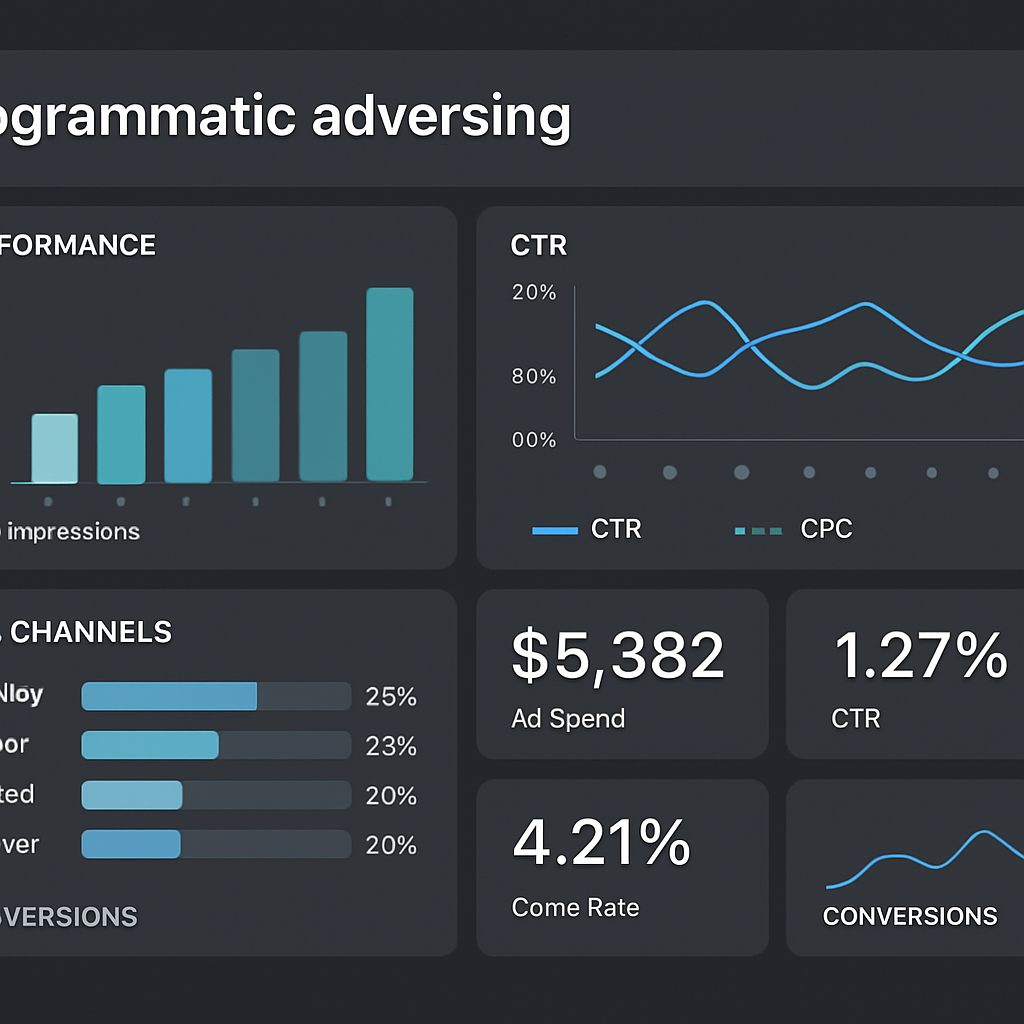
Programmatic advertising in DOOH involves using automated systems to buy and manage ad space. This technology allows advertisers to target specific audiences with precision. By using data analytics, brands can determine the best times and locations to display their ads, ensuring maximum reach and effectiveness. The use of programmatic platforms streamlines the ad-buying process, reduces costs, and enhances the efficiency of advertising campaigns.
Enhanced Measurement and Analytics
The digital nature of DOOH advertising allows for advanced measurement and analytics capabilities. Advertisers can track audience interactions, measure engagement levels, and analyze the effectiveness of their campaigns in real-time. These insights empower brands to refine their strategies and optimize their content for better performance and ROI.
The Impact on Urban Advertising
Digital out-of-home screens are having a profound impact on urban advertising strategies. Here are some ways they are transforming the landscape:
Enhancing Brand Visibility
DOOH screens are often placed in high-traffic areas, ensuring that ads are seen by a large number of people. This increased visibility can help brands reach a broader audience and enhance their presence in urban settings. The strategic placement of screens in transportation hubs, shopping centers, and entertainment districts ensures that brands can capture the attention of diverse demographics throughout the day.
Real-Time Updates and Interactivity
With digital signage, brands can update their advertising content in real-time. This capability is particularly useful during live events or special promotions. Additionally, interactive screens encourage consumer interaction, allowing for a more engaging and memorable experience. Brands can create interactive games, quizzes, or augmented reality experiences that encourage consumers to engage with the content actively.
Sustainability and Cost-Effectiveness
Digital screens are more environmentally friendly compared to traditional print billboards. They reduce the need for paper and ink, contributing to a more sustainable advertising approach. Moreover, while the initial investment may be higher, the ability to change content without additional production costs makes DOOH a cost-effective option in the long run. As sustainability becomes a priority for consumers and brands alike, adopting digital signage aligns with corporate social responsibility goals.
Challenges and Considerations
While digital out-of-home advertising offers numerous benefits, it also presents some challenges that advertisers need to consider.
Technical Issues
As with any digital technology, there is the potential for technical glitches or failures. Advertisers must ensure that their digital signage systems are well-maintained and that there are contingency plans in place for any issues that may arise. Regular maintenance and updates are crucial to ensure smooth operations and prevent disruptions that could impact brand image.
Privacy Concerns

With the use of data analytics and targeting, there are concerns about consumer privacy. Advertisers need to be transparent about how data is collected and used, and ensure that they comply with privacy regulations. Establishing clear privacy policies and obtaining consumer consent are essential steps in building trust and maintaining compliance with data protection laws.
Measuring Effectiveness
Measuring the effectiveness of DOOH advertising can be challenging. Unlike online ads, where clicks and impressions can be easily tracked, assessing the impact of a billboard requires different metrics. Advertisers must develop new ways to measure engagement and return on investment. Utilizing technologies like facial recognition and mobile tracking can provide valuable insights into audience demographics and behavior.
Balancing Creativity and Compliance
In the pursuit of creative and engaging content, advertisers must balance innovation with compliance. Regulatory guidelines may vary across regions, and brands need to ensure that their content adheres to local advertising standards. Collaborating with legal experts and industry associations can help navigate complex regulations and avoid potential pitfalls.
The Future of DOOH Advertising
Looking ahead, the future of digital out-of-home advertising is bright. As technology continues to advance, we can expect even more innovative uses of digital signage in urban environments.
Integration with Augmented Reality
One exciting development is the integration of augmented reality (AR) with digital screens. This technology can create immersive experiences that blend the physical and digital worlds, offering new opportunities for brands to engage with consumers. AR can transform static ads into interactive adventures, allowing consumers to explore products and services in a virtual environment.
Smart Cities and DOOH
As cities become smarter, digital signage will play an integral role in urban infrastructure. DOOH screens can provide valuable information to the public, such as weather updates, traffic alerts, and emergency notifications, while still serving as advertising platforms. The synergy between smart city initiatives and digital signage can enhance urban living by delivering essential information to residents and visitors.
Embracing Artificial Intelligence
Artificial intelligence will continue to revolutionize DOOH advertising by enhancing content creation and delivery. AI algorithms can optimize ad placement, predict consumer behavior, and personalize content for individual viewers. As AI technology advances, advertisers will be able to create hyper-targeted campaigns that resonate with audiences on a deeper level.
Conclusion
In 2025, digital out-of-home screens are revolutionizing urban advertising by offering dynamic, engaging, and targeted content. As technology continues to evolve, these digital billboards will become even more integral to city landscapes, providing brands with innovative ways to connect with audiences. By embracing the opportunities that DOOH advertising presents, businesses can stay ahead of the curve and effectively reach consumers in the bustling urban environment. The future of DOOH is poised to be an exciting journey of creativity, technology, and impactful storytelling.
ScreenSculpt is a professional commercial display solutions manufacturer based in Shenzhen, founded and led by a technically experienced team. We maintain strong partnerships with leading panel manufacturers such as Samsung, LG, BOE, HKC, Innolux, and CSOT, ensuring access to premium display resources for our digital signage solutions, contact us now!