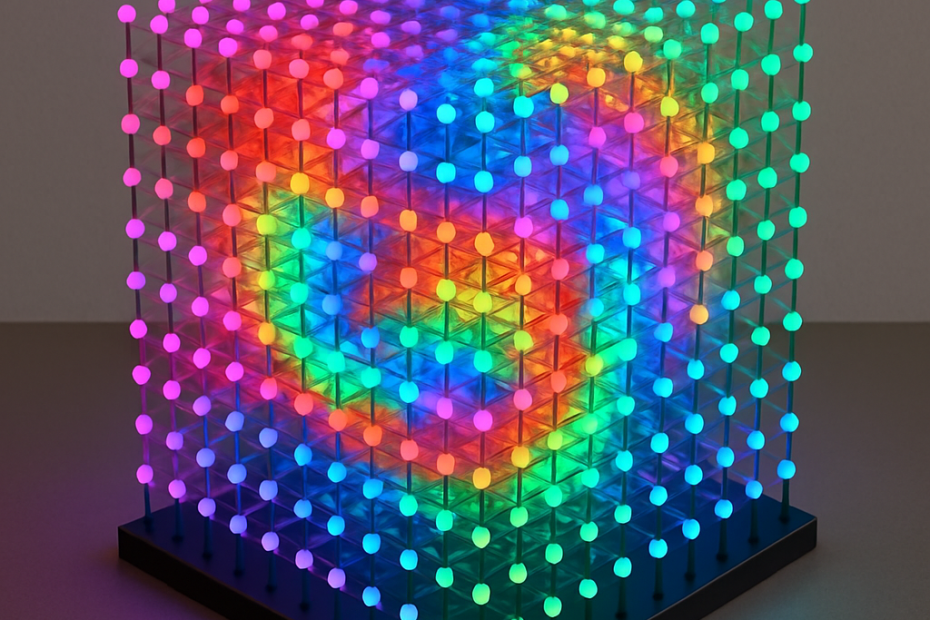
LED cube displays are captivating and versatile. They transform spaces with their vibrant, three-dimensional light shows. These displays are more than just eye-catching; they are a blend of art and technology.
From small DIY projects to grand commercial installations, LED cubes offer endless possibilities. They are programmable, allowing for custom animations and effects. This makes them a favorite among tech enthusiasts and artists alike.
Their applications are diverse. LED cubes are used in events, exhibitions, and even home decor. They create ambient lighting and interactive experiences that engage audiences.
The technology behind LED cubes is both innovative and accessible. With microcontrollers and programming, users can bring their creative visions to life. This makes LED cube displays a popular choice for those seeking unique lighting solutions.
Explore the world of LED cube displays and discover their potential. Whether for decoration, education, or entertainment, these displays offer a futuristic aesthetic that captivates and inspires.
What Is an LED Cube Display?
An LED cube display is a unique lighting structure. It consists of multiple LED lights arranged in a cube shape. This configuration allows it to project light in three dimensions.
These displays create stunning visual effects, appealing to both the eyes and the mind. Their 3D design makes animations and patterns appear to float in space. This engaging feature distinguishes them from traditional flat LED displays.
LED cubes come in a variety of sizes and configurations. Common setups include:
- 4x4x4
- 8x8x8
- 16x16x16
These sizes cater to different projects and spaces.

The technology integrates microcontrollers and programming languages. Enthusiasts often use Arduino or Raspberry Pi to program custom effects. This makes each LED cube a blank canvas for creativity and innovation. Whether for simple projects or complex installations, LED cube displays offer flexibility and artistic expression.
How LED Cube Displays Work
At the heart of an LED cube display is an array of LED lights. Each light functions as a single pixel within the cubic framework. These pixels light up in sequences to create dynamic visual effects.
A microcontroller orchestrates this intricate dance of lights. By controlling the power to each LED, it produces animations and patterns that captivate viewers. This level of control allows the creation of stunning, three-dimensional designs.
The programming behind these cubes is both challenging and rewarding. Typically, enthusiasts utilize coding platforms like Arduino and Raspberry Pi. These platforms enable the creation of tailored animations and interactivity.
Key components in LED cube displays include:
- LEDs arranged in grid layers
- Microcontrollers for sequencing
- Programming to customize effects
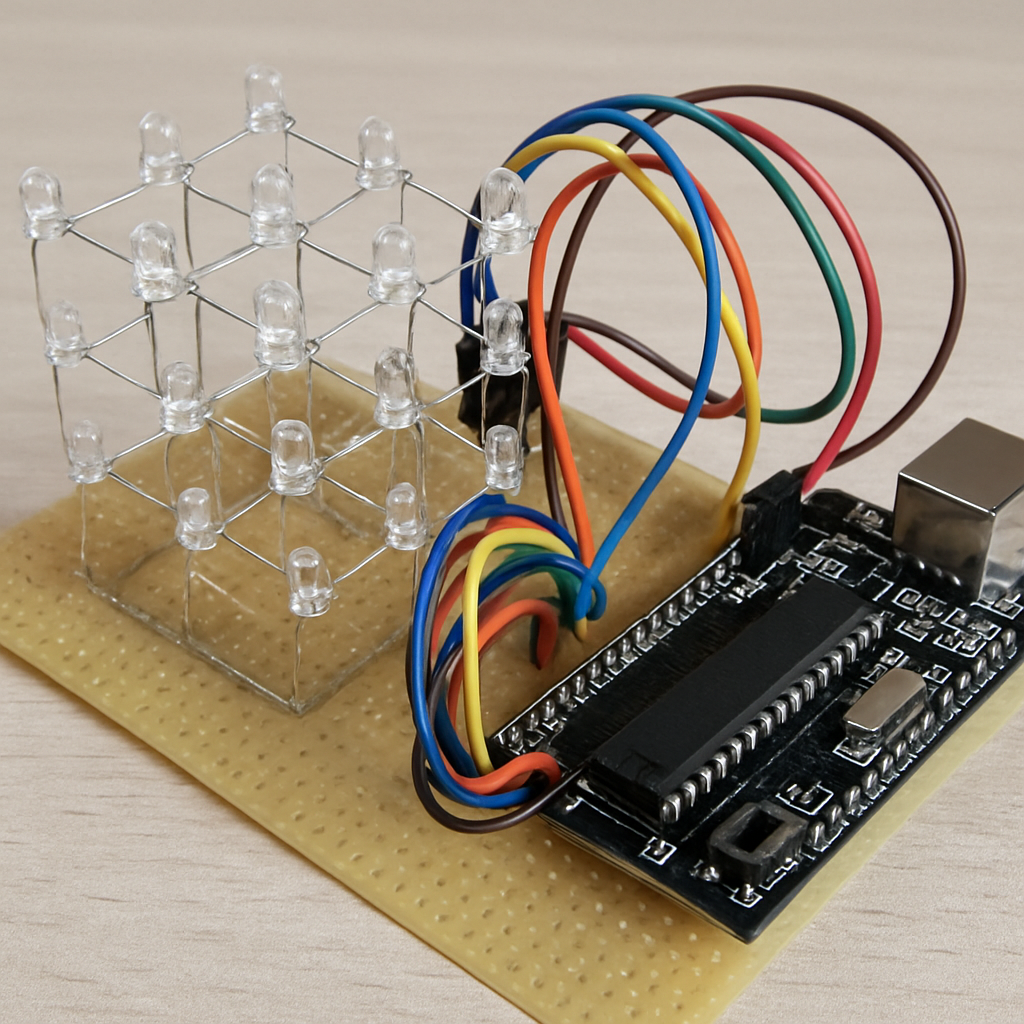
Through precision and innovation, these displays transform simple LED lights into mesmerizing 3D art. Whether built as a hobby or part of a larger installation, their operation remains a fascinating blend of art and technology.
Key Features and Benefits of LED Cube Displays
LED cube displays boast numerous features that make them enticing. One key attribute is their programmability. Users can create custom animations and effects, showcasing endless creativity.
Another notable feature is their interactivity. By integrating sensors, LED cubes can respond to sound, motion, or touch. This makes them ideal for engaging and immersive experiences.
LED cubes are also known for their energy efficiency. They consume less power compared to traditional display systems. This translates to cost savings and a longer lifespan.
Their versatility allows use in various settings. From tech projects to art installations, they serve both decorative and functional purposes. Their adaptability is a major draw for diverse applications.
Key benefits include:
- Energy efficiency
- Customization options
- Interactivity and engagement
- Long lifespan

by Malena Gonzalez Serena (https://unsplash.com/@malegs)
LED cube displays bring a modern, futuristic touch to any environment. They appeal to tech-savvy individuals and admirers of cutting-edge design. Their unique features make them invaluable tools in a variety of fields.
Popular Applications of LED Cube Displays
LED cube displays are making waves in diverse fields. One of their primary uses is in tech projects where innovation thrives. Engineers and hobbyists utilize them for showcasing programming skills and exploring new technologies.
In the realm of art, these displays are stunning focal points. Artists use them to create interactive installations that captivate audiences. Their dynamic visuals draw viewers into immersive experiences that challenge conventional aesthetics.
They are also popular in educational settings. LED cubes serve as tools for teaching programming and electronics. Students learn through practical applications, gaining hands-on experience with modern technologies.
In events and exhibitions, LED cubes are crowd-pullers. Their eye-catching visuals create memorable experiences and leave lasting impressions. They add excitement and engagement, capturing the attention of attendees.
Common applications include:
- Art installations
- Educational tools
- Event decorations
- Exhibition displays

by Alex Cotimani (https://unsplash.com/@alexcotimani)
These versatile displays offer limitless possibilities. Whether in a classroom or gallery, they enhance environments with futuristic appeal. Their ability to adapt to various scenarios is truly impressive.
DIY and Customization: Building Your Own LED Cube
Building your own LED cube can be a rewarding DIY endeavor. It combines creativity with technical skills, offering a fun challenge. For hobbyists, it’s a perfect project to learn and experiment.
DIY kits are available for different skill levels. They often come with detailed instructions and all necessary components. Kits make the process accessible, even for those new to electronics.
Building an LED cube involves several steps. You start by assembling the LED grid, then work on the circuitry. Finally, programming the cube allows you to customize patterns and effects.
Essential components for your project include:
- LED lights
- Circuit board
- Microcontroller
- Soldering equipment

by Jeswin Thomas (https://unsplash.com/@jeswinthomas)
The customization possibilities are vast. You can program animations or sync lights to music, personalizing your creation. This makes DIY LED cubes not only educational but also a personal expression of creativity.
LED Cube Displays in Modern Design and Events
LED cube displays are becoming increasingly popular in modern design and events. Their ability to create dynamic visual effects is unmatched. They add a futuristic touch to any setting, captivating audiences effectively.
Event organizers love using LED cubes. These displays enhance the atmosphere, making events more engaging. Whether it’s a corporate event or a music festival, LED cubes draw in the crowd.
Incorporating LED cubes into interior design offers aesthetic appeal. They provide ambient lighting with a touch of modernity. Interior designers use them to create unique, eye-catching spaces.
Common uses of LED cubes in design and events include:
- Event lighting
- Art installations
- Interactive exhibits
- Modern home decor

by BOAM PRODUCTION (https://unsplash.com/@boam_production)
LED cubes offer a range of customization options. This makes them versatile and suitable for diverse applications, appealing to a wide range of designers and event planners.
Future Trends and Innovations in LED Cube Technology
The future of LED cube technology is exciting. Innovations continue to emerge, pushing the boundaries of what’s possible. These advancements promise even more engaging and energy-efficient displays.
Miniaturization is a key trend. Smaller LEDs allow for more compact and intricate designs. This enhances the visual complexity of LED cubes while maintaining energy efficiency.
Integration with advanced AI and machine learning is on the horizon. This could enable smarter, more responsive LED cube displays. As technology evolves, we anticipate even more groundbreaking applications and creative uses.
Conclusion: The Endless Possibilities of LED Cube Displays
LED cube displays are dynamic, offering boundless creative potential. Their use ranges from simple decorative pieces to complex interactive installations. This versatility ensures they appeal to a wide range of users.
As technology advances, LED cubes will continue to captivate and inspire. The possibilities are truly endless, promising exciting developments in both design and functionality.