# Enhancing Navigation with Digital Wayfinding Signage
In today’s fast-paced world, finding your way around large complexes like hospitals, malls, universities, and airports can be daunting. That’s where digital wayfinding signage comes in. This technology simplifies navigation, making it easier for people to find their destinations quickly and efficiently. Let’s explore how digital wayfinding signage enhances navigation and the benefits it brings to various settings.
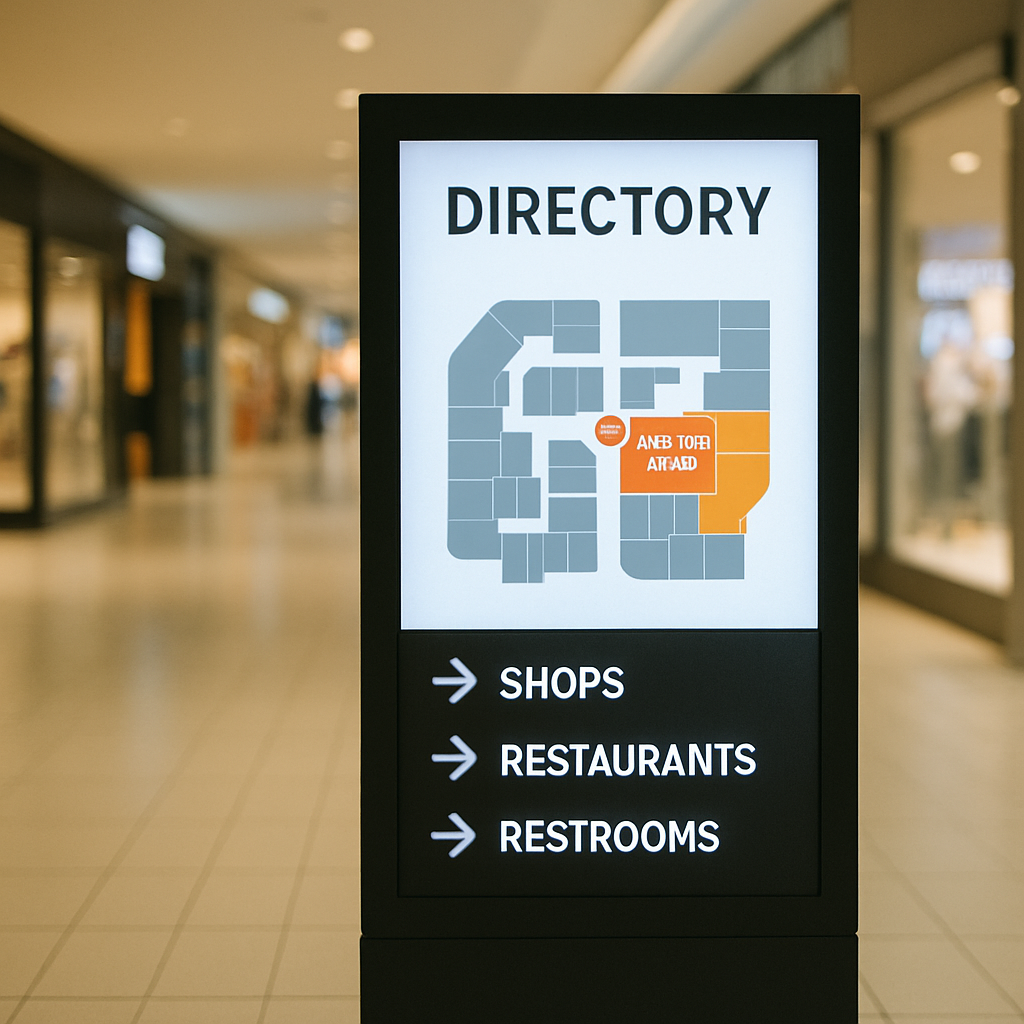
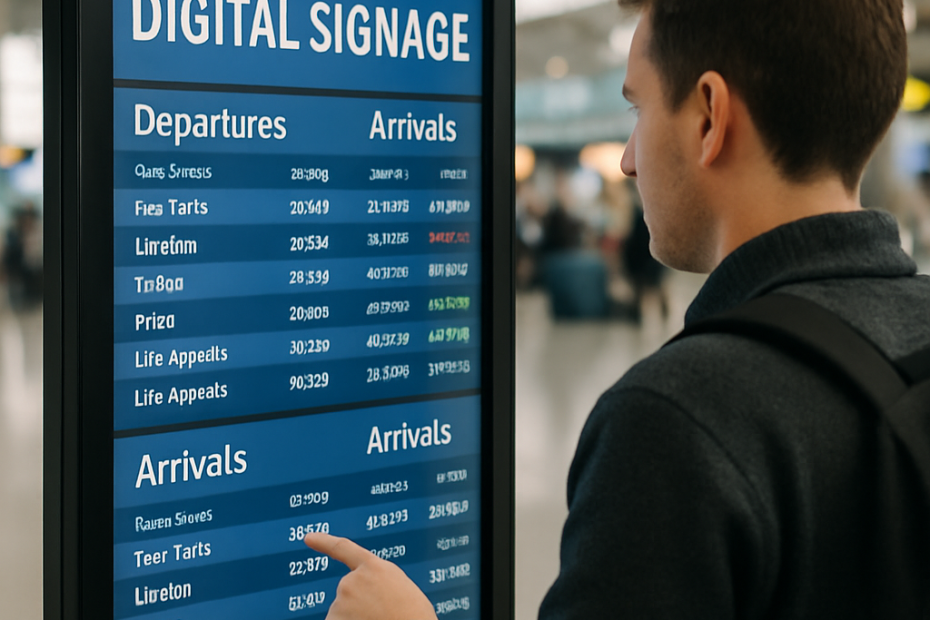
Digital wayfinding signage uses advanced technology to provide real-time directions and information to users. Unlike traditional static signs, these digital solutions offer interactive maps, directions, and other relevant information. They are often touchscreen-enabled, allowing users to interact with the system to find the quickest route to their destination.
Key Features of Wayfinding Technology
Wayfinding technology is equipped with several features that enhance user experience:
- Interactive Maps: Users can touch the screen to zoom in, out, or move the map for a better view.
- Step-by-Step Directions: Provides detailed instructions on how to reach a specific locati0n.
- Real-Time Updates: Offers the latest information on route changes, closures, or events.
- Accessibility Options: Ensures that people with disabilities can also use the system with ease.
Benefits of Digital Wayfinding Signage
Improved User Experience
Digital wayfinding signage significantly improves user experience by offering clear and precise directions. This reduces frustration, especially in complex environments like hospitals or airports where time and stress are often high.
Time Efficiency
Visitors can save valuable time using digital wayfinding signage. Instead of wandering around or asking for directions, they can quickly find their desired locati0n, which is particularly beneficial in time-sensitive environments like transit hubs or medical facilities.
Cost-Effectiveness
Though the initial setup cost might seem high, digital signage solutions can be more cost-effective in the long run. They reduce the need for physical signs, which can be expensive to produce and maintain. Additionally, updates to digital systems can be made instantly, avoiding the costs associated with printing new signs.
Versatility
Digital signage is versatile and can be customized to fit different environments. Whether it’s a university campus, a shopping mall, or a corporate office, the system can be tailored to meet specific navigation needs. It can also display promotional content or emergency alerts, adding further value to the investment.
Applications of Digital Wayfinding Signage
Hospitals and Healthcare Facilities
In healthcare settings, quick and accurate navigation is crucial. Digital wayfinding helps patients, visitors, and staff find their way around complex hospital layouts. This technology can direct them to departments, patient rooms, cafeterias, and exits efficiently.
Shopping Malls
In shopping malls, digital signage solutions guide customers to stores, restrooms, and exits. They can also display promotional offers and events, enhancing the shopping experience and encouraging more spending.
Airports
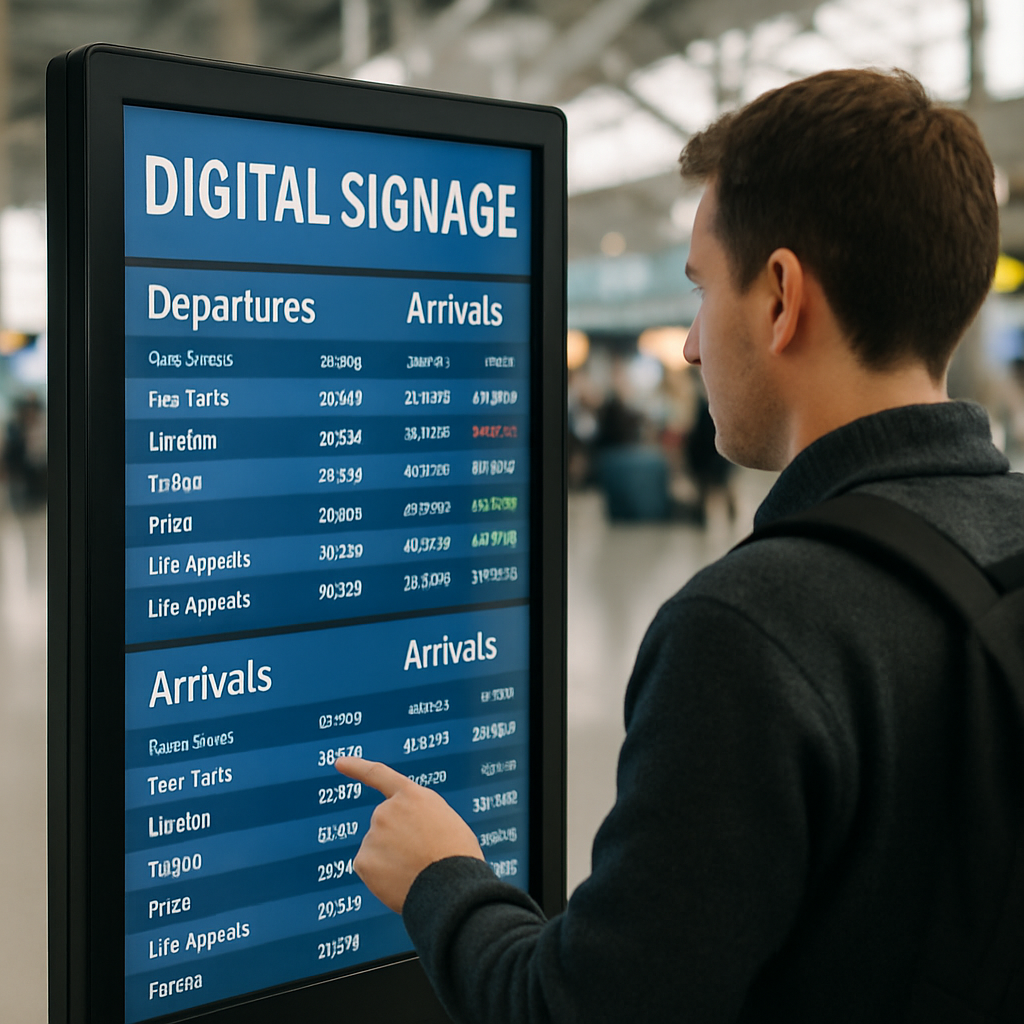
Airports are notorious for their complexity. Digital wayfinding signage assists travelers in finding gates, baggage claims, and check-in counters without stress. It can also provide flight updates, improving overall travel experience.
Universities and Campuses
On large university campuses, digital wayfinding helps students, faculty, and visitors locate classrooms, administrative offices, and event locations. It also plays a role in emergency management by directing people to safety during emergencies.
Implementing Digital Signage Solutions

Choosing the Right System
When implementing digital wayfinding signage, it’s crucial to choose a system that fits your specific needs. Consider factors such as the size of the area, the complexity of navigation, and the number of users. The system should be scalable to adapt to future changes or expansions.
Integration with Existing Systems
Ensure that the digital signage system can integrate with existing infrastructure and technology. This includes compatibility with other digital systems like mobile apps, public announcement systems, or emergency alert systems. Seamless integration enhances functionality and user experience.
Regular Maintenance and Updates
To ensure the system remains effective, regular maintenance and software updates are necessary. This includes hardware checks, software upgrades, and updating the content to reflect any changes in the environment. Regular maintenance prevents technical issues and keeps the system running smoothly.
Future of Wayfinding Technology
The future of digital wayfinding signage is promising. With advancements in technology, we can expect more personalized and intuitive navigation solutions. Integration with smartphones and wearables could offer users a more connected experience, allowing them to receive personalized directions and alerts directly on their devices.
Moreover, the use of augmented reality (AR) is on the horizon, potentially transforming the way we navigate physical spaces. AR could overlay digital directions onto the real world, providing an even more engaging and intuitive wayfinding experience.
Conclusion
Digital wayfinding signage is revolutionizing the way we navigate complex environments. By improving user experience, saving time, and offering a versatile solution, digital signage is an invaluable tool for any large facility. As technology continues to advance, the potential for even more innovative solutions will grow, making navigation easier and more efficient than ever before.
Incorporating digital wayfinding signage into your facility not only enhances navigation but also offers a modern touch that users will appreciate. Whether you’re managing a hospital, airport, or shopping mall, investing in this technology is a step towards a more efficient and user-friendly environment.