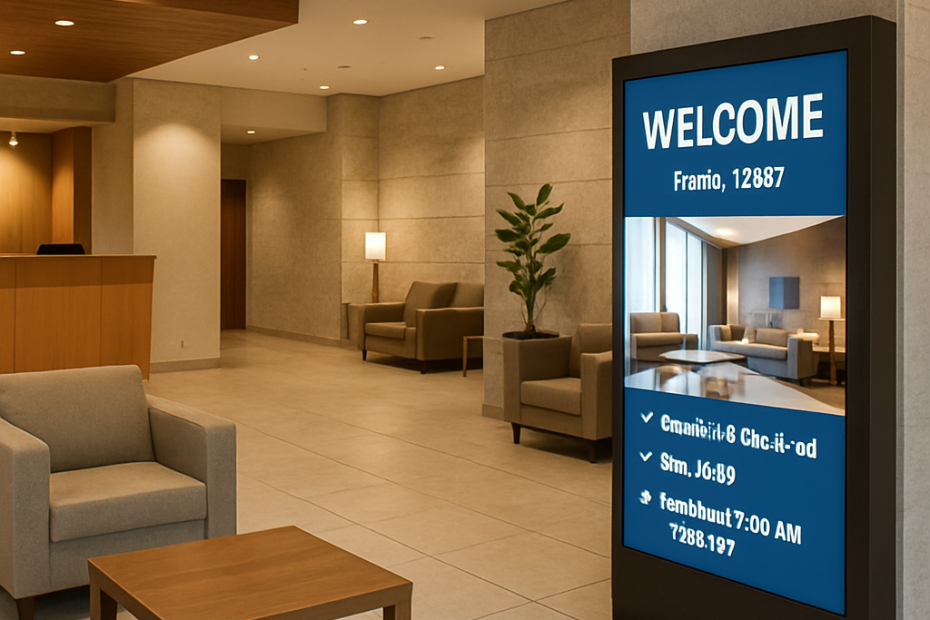
In today’s fast-paced world, creating an exceptional guest experience is more important than ever for hotels. Digital signage is a powerful tool that can transform how hotels interact with their guests, offering a modern and engaging way to communicate. Let’s explore how digital signage, including digital menu boards, can enhance the guest experience in hotels, particularly in vibrant places like Singapore.

What Is Digital Signage?
Digital signage refers to the use of electronic displays to convey information. These displays can range from small screens used as digital menu boards to large video walls in hotel lobbies. Digital signage is dynamic, allowing content to be updated quickly and tailored to different audiences.
Types of Digital Signage in Hotels
- Lobby Displays: These are often the first point of interaction guests have with digital signage in a hotel. They can provide a warm welcome, showcase hotel amenities, or display special promotions.
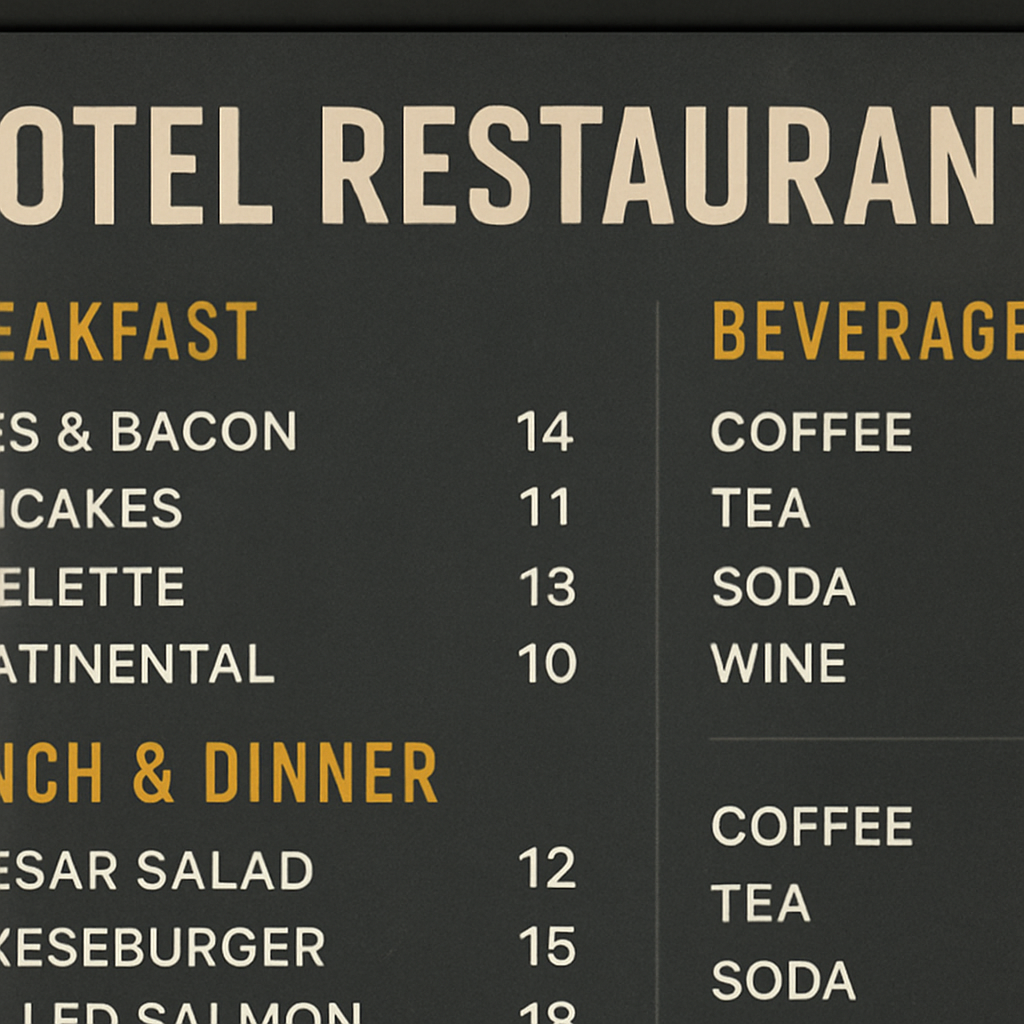
- Digital Menu Boards: Used in hotel restaurants and cafes, digital menu boards offer an attractive and easy-to-update way to present food and beverage options.
- Wayfinding Displays: These help guests navigate the hotel and its surroundings, offering directions and information about nearby attractions.
- In-Room Displays: These can be used to provide personalized messages to guests, inform them about hotel services, and offer entertainment options.
Benefits of Digital Signage for Hotels
Improved Guest Communication
Digital signage enhances communication by providing real-time information. Guests can easily access updates on events, weather conditions, and local attractions. This instant access to information improves their overall experience and satisfaction.
Increased Efficiency
Digital signage reduces the need for printed materials, which can quickly become outdated. With digital displays, content can be updated effortlessly, ensuring that guests always have access to the latest information. This efficiency not only saves time but also reduces waste, contributing to the hotel’s sustainability efforts.
Enhanced Aesthetics
Digital signage adds a modern touch to the hotel’s interior design. Sleek, high-resolution displays can complement any decor, creating a sophisticated and inviting atmosphere. In a place like Singapore, where design and technology are at the forefront, digital signage can help a hotel stand out.
Personalization
Hotels can use digital signage to deliver personalized content to guests. For instance, a welcome message with the guest’s name or tailored recommendations for activities based on their preferences can make the guest feel valued and enhance their stay.
Digital Menu Boards: A Key Component
Digital menu boards are an integral part of digital signage in hotels, especially in dining areas. They offer several benefits:
- Flexibility: Menus can be updated in real-time, allowing hotels to quickly adapt to changes in availability, special promotions, or dietary trends.
- Engagement: Eye-catching visuals and animations can make menus more appealing, encouraging guests to try new dishes or promotions.
- Consistency: Digital menu boards ensure that all guests see the same information, reducing errors and misunderstandings.
- Upselling Opportunities: By highlighting specials or pairing suggestions, digital menu boards can increase sales and enhance the dining experience.

Implementing Digital Signage in Singapore Hotels
Singapore is a hub of innovation and luxury, making it an ideal locati0n for implementing advanced digital signage solutions. Here’s how hotels in Singapore can successfully integrate digital signage:
Choosing the Right Technology
Selecting the appropriate hardware and software is crucial. Hotels should consider factors such as display size, resolution, and content management capabilities. Working with a reputable digital signage provider in Singapore can ensure the technology meets the hotel’s specific needs.
Content Strategy
Developing a content strategy is essential for maximizing the impact of digital signage. Content should be relevant, engaging, and regularly updated. Incorporating local culture and events can also enhance the guest experience, providing a unique and memorable stay.
Staff Training
Staff should be trained to manage and update digital signage content. This ensures that the information displayed is accurate and up-to-date, enhancing the guest experience and avoiding potential issues.
Measuring Success
Hotels should track the effectiveness of their digital signage through guest feedback and performance metrics. This data can be used to refine content strategies and improve the overall impact of digital signage.
Case Study: Digital Signage Success in Singapore
Consider a luxury hotel in Singapore that implemented digital signage throughout its property. By installing digital menu boards in its restaurants, the hotel increased its dining sales by showcasing daily specials and promoting high-margin items. In the lobby, digital displays provided guests with information about local attractions and events, enhancing their overall experience.
The hotel’s digital signage strategy also included personalized messages for guests, contributing to higher satisfaction ratings and repeat visits. This success story demonstrates the potential benefits of digital signage for hotels in Singapore and beyond.
Conclusion
Digital signage is a powerful tool for enhancing the guest experience in hotels. From digital menu boards to wayfinding displays, digital signage offers numerous benefits, including improved communication, increased efficiency, and enhanced aesthetics.
For hotels in Singapore, embracing digital signage can set them apart in a competitive market, offering guests a modern and engaging stay. By carefully selecting technology, developing a content strategy, and measuring success, hotels can maximize the impact of their digital signage investments and create unforgettable experiences for their guests.