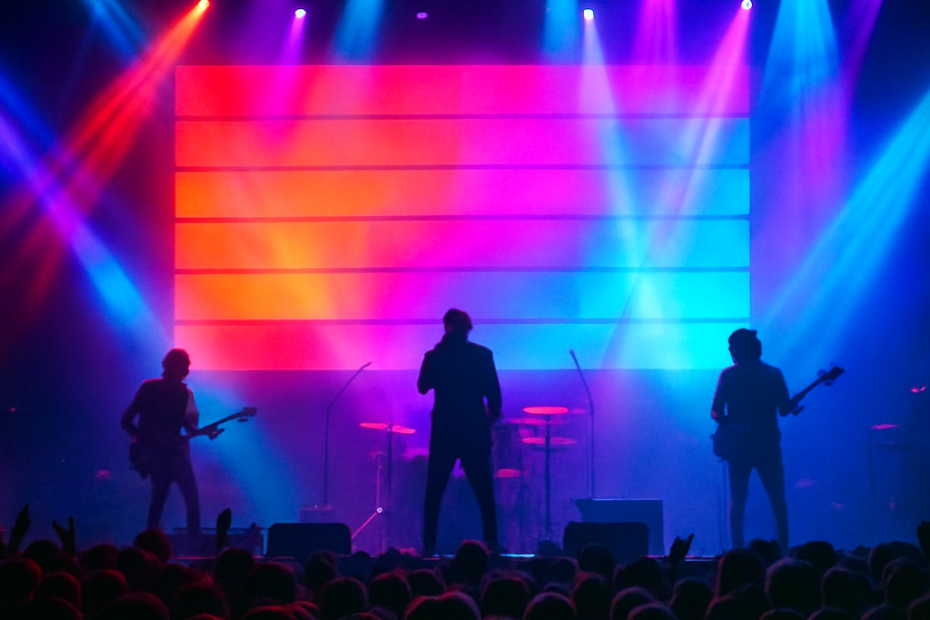
Concerts are more than just music; they are immersive experiences. LED displays have revolutionized these events.
These screens captivate audiences with vibrant visuals. They transform concerts into multi-sensory spectacles.
LED technology is now a staple in concert production. It enhances both the visual and auditory experience.
Event planners and musicians are embracing this technology. It offers endless possibilities for creativity and engagement.
LED displays are versatile and adaptable. They can fit any stage design or theme.
Their high brightness and clarity ensure visibility, even outdoors. This makes them ideal for large-scale events.
LED screens also support interactive features. They allow for real-time audience participation.
As technology advances, LED displays continue to evolve. They are shaping the future of concert experiences.
The Rise of LED Displays in Concerts
Concerts have embraced LED displays, changing how shows are experienced. Their adoption is on the rise due to their flexibility and impact. These screens provide vibrant color and clarity that enhance performances.
The use of LED displays started as a niche technology. Now, they are a common fixture at major concerts. They help create a connection between the artist and the audience.
LED displays transform concerts into dynamic events, captivating audiences with visual storytelling. Their ability to display live feeds, animations, and graphics makes them essential. They support the event’s theme and increase its appeal.
Furthermore, their growth aligns with demand for high-quality visuals and unique experiences. Artists seek new ways to engage fans, and LED screens deliver. They support visuals that keep the crowd energized and involved.
LED displays have several applications in concerts:
- Stage backdrops
- Side screens for enhanced visibility
- Floor panels
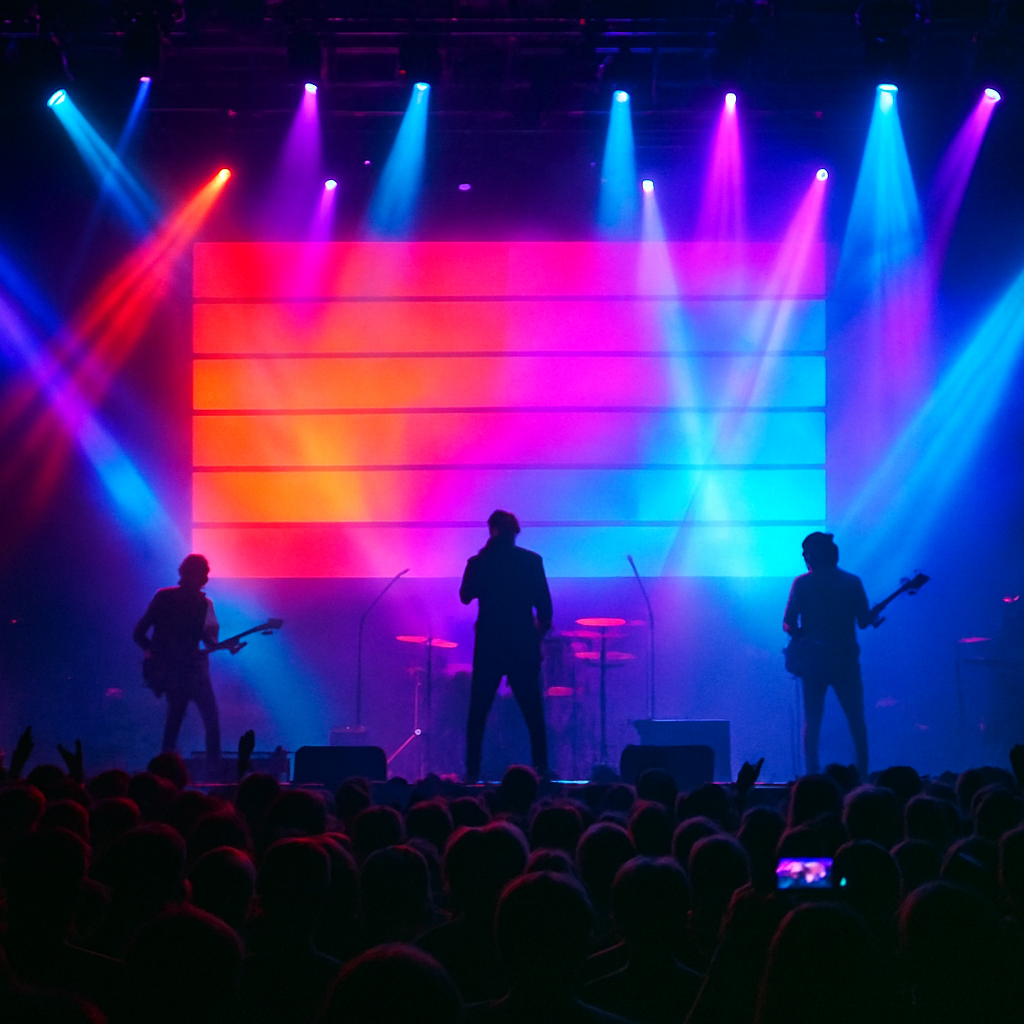
Types of Event LED Screens for Concerts
LED screens come in many forms to suit different concert needs. Each type offers unique benefits, shaping the concert environment effectively. Selecting the right screen enhances both the visual and audio experience.
Some common types of LED screens used in concerts include:
- LED Walls: These large screens are often the central visual element.
- Mobile LED Trailers: Ideal for outdoor events, providing flexibility in setup.
- Custom-Shaped and Modular LED Screens: Tailored designs that align with creative concepts.
LED walls serve as a stunning backdrop, immersing audiences in vivid colors and visuals. They make the stage a canvas for artistic expression.
Mobile LED trailers are vital for concerts that move or happen outdoors. Their quick setup and portability are perfect for changing locations.
Custom-shaped screens cater to unique stage designs, offering flexibility in creativity. They can fit unconventional stages or feature special effects.
Choosing the right type affects the concert experience dramatically. Each screen type serves a unique role, meeting specific concert needs. Their versatility supports various artistic visions, bringing imagination to life on stage.
LED Walls
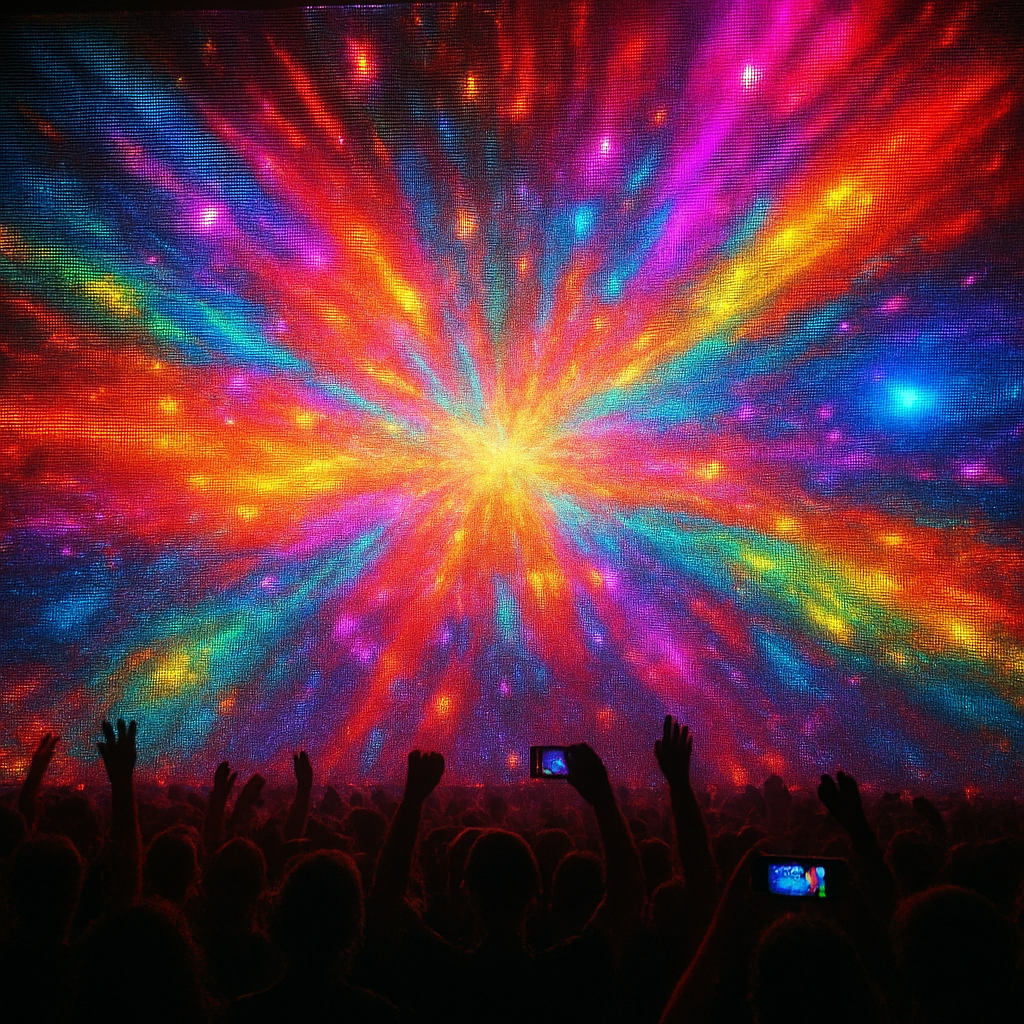
LED walls are a powerful tool in concert production. These imposing screens command attention, making a big impact. Their size and vibrancy transform stages into visual spectacles.
They serve as immersive backdrops, complementing performances seamlessly. Artists can use them to show compelling imagery and dynamic video. They captivate the audience, enhancing the overall experience.
Furthermore, LED walls help deliver clear messages to large crowds. They ensure every fan, no matter their seat, has a view of the action. This feature elevates concert engagement dramatically.

by Gerrit Stam (https://unsplash.com/@gerritstam)
Mobile LED Trailers
Mobile LED trailers redefine versatility in outdoor concerts. They provide screens with mobility, reaching new audiences. This flexibility makes them ideal for festivals and touring events.
Their quick setup and dismantling reduce logistical challenges. This efficiency ensures concerts run smoothly and on schedule. As a result, organizers save time and resources.
Moreover, these trailers deliver excellent brightness and image clarity. Even in bright daylight, they maintain visual integrity. Audiences enjoy consistent quality, regardless of the lighting conditions.

by Rafael Garcin (https://unsplash.com/@nimbus_vulpis)
Custom-Shaped and Modular LED Screens
Custom-shaped screens cater to the creative visions of artists. They allow for innovative stage designs and captivating experiences. Whether curved or angular, they fit the specific requirements of any concert.
Their modular nature lets organizers build stunning displays effortlessly. By using interconnecting panels, they offer limitless design possibilities. This adaptability supports concerts with diverse themes and artistic styles.
Additionally, these screens integrate seamlessly with other stage elements. They add a unique flair, enhancing the show’s aesthetic appeal. Audiences are left with lasting impressions from the artistic ingenuity on display.

by Jisu Han (https://unsplash.com/@makeitcount)
Key Benefits of Using LED Display Screens for Concerts
LED display screens have revolutionized concert experiences in numerous ways. These screens are now a staple at most live events. Their benefits are vast, elevating both performance and audience satisfaction.
Firstly, LED screens provide exceptional brightness and clarity. This feature ensures visuals are compelling, even from a distance. Concertgoers get an immersive experience, enhancing enjoyment and engagement.
Energy efficiency is another crucial advantage of LED displays. They consume less power than traditional screens, reducing the event’s carbon footprint. This efficiency supports sustainable concert practices.
LED displays also offer unmatched flexibility in content presentation. Organizers can show video clips, live feeds, or social media interactions. This versatility keeps the audience entertained and connected throughout the performance.
Apart from visual impact, LED screens enhance branding opportunities. Artists and sponsors can showcase logos and messages effectively. This integration maximizes marketing potential during concerts.
Moreover, LED technology seamlessly integrates with lighting and sound systems. This synergy creates a cohesive and memorable show. The synchronized effects make concerts a multi-sensory spectacle.
Lastly, LED screens are easy to set up and dismantle. Their modular design simplifies logistics, saving time and resources. Event organizers can focus more on creativity and less on technicalities.

by William Hook (https://unsplash.com/@williamtm)

by Shalom Mwenesi (https://unsplash.com/@5halom_)
Enhancing Audience Engagement with LED Displays
LED displays play a pivotal role in boosting audience engagement during concerts. They transform passive viewing into interactive experiences. Audiences become more involved through captivating visuals and features.
One key aspect is the use of dynamic and vibrant animations. These visuals synchronize with music, enhancing emotional resonance. Audiences are drawn deeper into the performance’s atmosphere.
LED screens also enable real-time interaction. Fans can see their social media posts displayed live. This feature encourages participation, creating a sense of community.
Interactive content like polls and shout-outs adds to the engagement. Audiences feel directly involved in shaping the concert’s atmosphere. This participation strengthens the bond between performers and fans.
Moreover, LED displays offer a platform for storytelling and messaging. Bands can share meaningful narratives visually. This approach deepens the audience’s connection to the music and artists.
- Dynamic animations
- Social media interaction
- Interactive content
- Storytelling opportunities
The result is a concert that is not just heard but experienced on multiple levels.

by Leslie del Moral (https://unsplash.com/@lesliedelmoral)
Integration with Stage Lighting and Visual Effects
LED displays seamlessly integrate with stage lighting systems, creating a unified visual experience. This harmony enhances the overall atmosphere and impact of concerts. Lighting complements the content displayed, providing a cohesive spectacle.
LED screens can interact with stage lighting to produce synchronized shows. Visual effects extend beyond the display, enveloping the stage. This synergy heightens the show’s immersive quality for audiences.
The integration allows for advanced visual storytelling. LED displays convey narratives, supported by dynamic lighting cues. This approach transforms routine performances into stunning sensory experiences.
Moreover, visual effects can be tailored to match themes and moods. With precise color matching and transitions, concerts become more visually compelling. The blend of LED displays and lighting enriches the artistic presentation.
- Stage lighting integration
- Synchronized shows
- Advanced storytelling
- Tailored visual effects
Such integration not only captivates audiences but also elevates the creative scope of concerts.

by Ivan Lom (https://unsplash.com/@ilom)
Technical Considerations: Resolution, Brightness, and Size
When choosing a concert LED display, technical aspects matter significantly. Resolution determines the image clarity and detail. High resolution ensures sharp visuals even from afar.
Brightness is another critical factor, especially for outdoor events. LED screens offer superior brightness, countering sunlight and enhancing visibility. High brightness guarantees spectacular visuals at any time.
Size plays a crucial role, affecting audience engagement and visibility. Larger screens ensure everyone enjoys an immersive experience. The size must align with venue dimensions and audience scale.
Different concert settings necessitate varying technical specifications. An indoor venue might prioritize resolution over brightness. Conversely, outdoor settings demand high brightness and durability.
- High resolution for detail
- Superior brightness for outdoor settings
- Appropriate size for visibility
Understanding these technical considerations ensures your LED display enhances the concert experience. Proper planning leads to successful and visually appealing events.

by Alex Hu (https://unsplash.com/@alexandwich)
Outdoor vs. Indoor Concert LED Displays
The choice between outdoor and indoor concert LED displays hinges on specific needs. Outdoor environments present unique challenges, like weather and ambient light. Outdoor LED screens are designed to combat these elements.
Indoor LED displays focus more on precision and detail. They offer high-definition imagery suited for controlled lighting. The atmosphere indoors allows for intricate visual presentations.
Key differences in their construction impact performance and durability. Outdoor screens are often weatherproof and brighter, handling sunlight directly. Indoor models boast higher resolutions and finer pixel pitch.
Consider your venue to make an informed choice. Each setting demands tailored features for optimal viewing. Proper selection ensures your display enhances the concert environment.
- Outdoor: Weatherproof, high brightness
- Indoor: High definition, controlled lighting
- Venue dictates LED screen choice
Ultimately, understanding the advantages of each type enriches the concert experience. Selecting the appropriate screen creates engaging and memorable shows.

by Olivia Anne Snyder (https://unsplash.com/@olivialu10)
Creative Applications: Branding, Sponsorship, and Interactivity
Concert LED displays open doors for creative branding opportunities. Their versatility allows for vibrant and dynamic brand presentations. Sponsors can showcase logos and ads seamlessly within the concert experience.
Interactive elements further enhance audience engagement. Event LED screens can feature real-time social media feeds, allowing fans to see their posts live. This interaction boosts excitement and connection to the event.
LED displays transform stages into interactive platforms. Audience participation features, like live polls or requests, become possible. Such capabilities turn a concert into a memorable, personalized experience.
These creative applications do more than just entertain; they add value. Brands gain visibility in a dynamic way, while audiences feel more engaged. This innovative use of technology enriches both sponsor and fan experiences.
- Branding and logo display
- Real-time social media integration
- Interactive audience features

by Colin Lloyd (https://unsplash.com/@onthesearchforpineapples)
Setup, Maintenance, and Cost Factors
Setting up a concert LED display involves precise planning. Modular designs make it easier to assemble the screens for any stage design. This flexibility reduces setup time and effort for crews.
Maintenance is crucial to ensure optimal performance. Regular checkups can prevent unexpected issues during events. Fortunately, LED screens are durable and require less frequent maintenance.
Cost is a key consideration for organizers. While the initial investment might seem high, LED technology is cost-effective long-term. Its energy efficiency and longevity make it a worthwhile choice.
Understanding these factors helps in budgeting and resource allocation. Investing in quality equipment pays off by creating stunning concert visuals.
- Setup flexibility and modular design
- Regular maintenance requirements
- Long-term cost-effectiveness

by Joshua Hanson (https://unsplash.com/@joshuahanson43)
Future Trends in Concert LED Display Technology
The concert LED display industry is rapidly evolving. A key trend is the integration of augmented reality (AR) with LED technology. This combination enhances audience experiences by overlaying digital content onto live performances.
Another trend is the use of flexible LED screens. These displays can curve and bend to create unique stage designs. This innovation allows greater creativity in visual presentations during concerts.
Ultra-thin LED panels are also gaining traction. Their lightweight design simplifies transportation and setup. These panels offer high-resolution visuals without adding bulk to the stage.
As these trends emerge, they broaden what is possible in concert production. With ongoing advancements, concert-goers can expect more immersive and engaging experiences.
- Integration of augmented reality
- Adoption of flexible and ultra-thin panels
- Enhanced creative possibilities

by francesco ghilardi (https://unsplash.com/@francescoghilardiphoto)
Conclusion: Transforming Concert Experiences with LED Displays
Concert LED displays have redefined live music events. Their dynamic visuals and adaptability enrich audience experiences, leaving lasting impressions.
As technology advances, LED screens will continue to elevate concert production. Their role in creating captivating and immersive environments is undeniable. Whether through innovative designs or enhanced interactions, LED displays are transforming concerts like never before.