
Businesses need to capture attention and communicate effectively. Integrated signage solutions have emerged as a powerful tool to achieve this. By combining traditional and digital signage, businesses can enhance their branding, improve customer engagement, and boost efficiency. This article delves into the benefits of integrated signage, exploring how it can transform your business communication strategy.
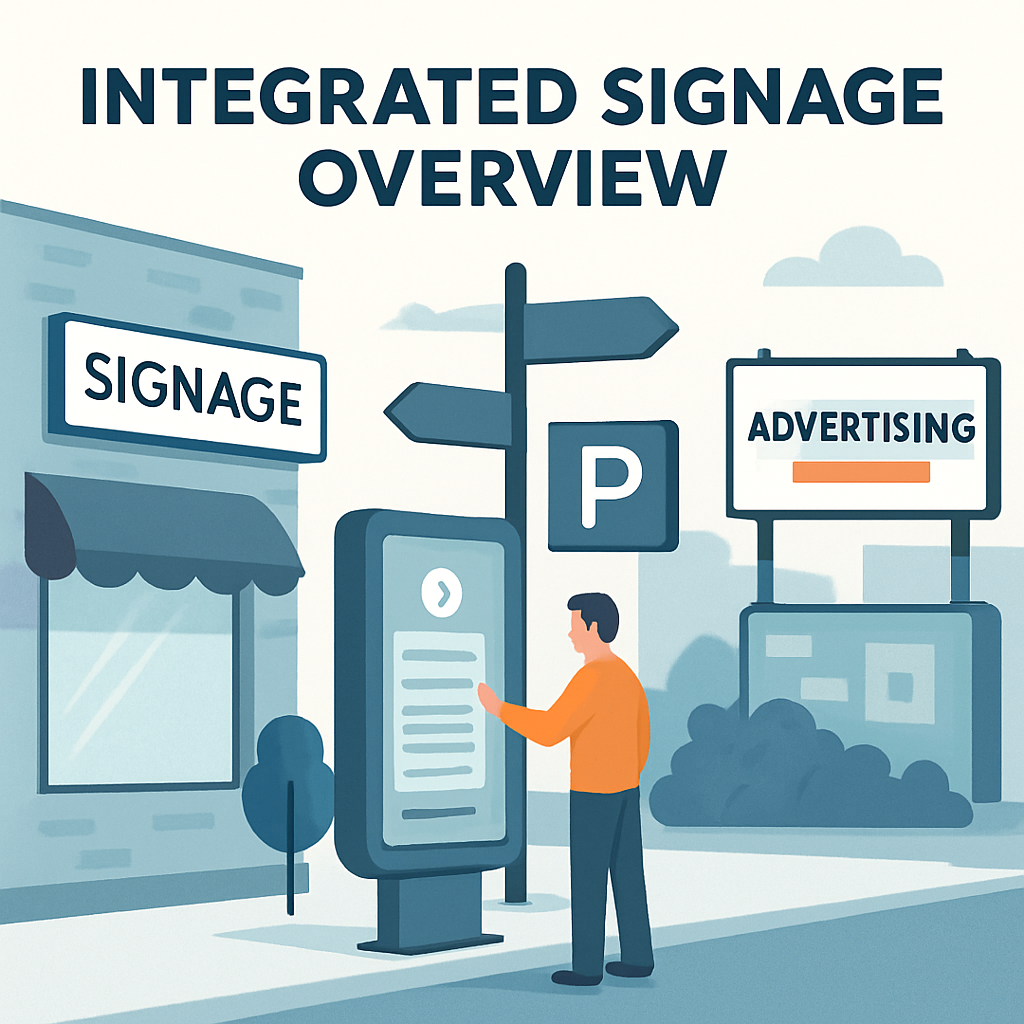
Integrated signage refers to the seamless blending of different types of signage to create a cohesive brand message. This can include traditional signs, digital displays, LED lighting, and even awnings. The goal is to create a unified look and feel that reflects your brand’s identity.
Types of Integrated Signage
- Traditional Signage: This includes physical signs like banners, posters, and awnings that provide a consistent brand presence.
- Digital Signage: Digital displays, such as screens and kiosks, offer dynamic content delivery, allowing for real-time updates and interactive experiences.
- Energy-Efficient LED Lighting: LED lights are not only energy-efficient but also provide vibrant illumination, making your signage stand out day and night.
Benefits of Integrated Signage Solutions
Integrated signage solutions offer several advantages that can enhance your business communication.
Consistent Branding
With integrated signage, you can ensure that your brand message is consistent across all platforms. This consistency helps build brand recognition and trust among your audience. Whether it’s a digital screen or a traditional banner, your customers will instantly recognize your brand.
Enhanced Visibility

One of the key benefits of integrated signage is increased visibility. Digital signage solutions, in particular, are highly effective at capturing attention. Bright, dynamic displays can showcase promotions, inform customers, and even entertain. When combined with traditional signage, your message becomes even more compelling.
Energy Efficiency
Energy-efficient LED lighting is a crucial component of modern signage solutions. Not only do LEDs consume less power, reducing your carbon footprint, but they also last longer than traditional lighting options. This means lower maintenance costs and a positive impact on your bottom line.
Real-Time Updates
Digital signage allows for real-time content updates. This means you can change promotions, display news, or provide timely information instantly. This flexibility ensures your messaging is always relevant and current, keeping your audience engaged.
Implementing Integrated Signage Solutions
To reap the benefits of integrated signage, it’s essential to implement them effectively. Here are some tips to get started:
Assess Your Needs
Begin by assessing your business needs. What message do you want to convey? What audience are you targeting? Understanding your goals will help you choose the right mix of signage types.
Choose the Right Technology
Invest in technology that aligns with your objectives. For digital signage, consider factors like screen size, resolution, and interactivity. For traditional signage, focus on materials, durability, and placement.
Design for Impact
Your signage design should be visually appealing and aligned with your brand identity. Use bold colors, clear fonts, and high-quality images to create a lasting impression. Remember, simplicity is key – your message should be easy to understand at a glance.
Integrate Seamlessly
Ensure that all elements of your signage work together harmoniously. This might involve coordinating colors, fonts, and messaging across different platforms. The goal is to create a unified look that reinforces your brand.
Case Studies: Success with Integrated Signage
Retail Store Revamp
A local retail store implemented an integrated signage solution to revamp its branding. By combining digital displays with traditional window signage, they created an eye-catching storefront. The digital screens showcased seasonal promotions and real-time social media feeds, while the traditional signage reinforced the brand’s heritage. This approach increased foot traffic and boosted sales by 20%.
Restaurant Rebranding

A restaurant sought to modernize its image and attract younger customers. They installed digital menu boards and LED-lit awnings to create a contemporary look. The digital menus allowed for easy updates, while the LED awnings provided vibrant lighting at night. The result was a 30% increase in customer visits and positive feedback on social media.
Future Trends in Integrated Signage
The signage industry is constantly evolving, and staying ahead of the curve is crucial for businesses. Here are some trends to watch:
Interactive Displays
Interactive displays are gaining popularity, allowing customers to engage with content directly. Touchscreens, motion sensors, and augmented reality features can create memorable experiences that drive customer engagement.
Personalized Content
Digital signage is becoming more personalized, delivering tailored content based on customer preferences and behaviors. This trend enhances relevance and fosters a deeper connection with your audience.
Sustainable Solutions
Sustainability is a growing concern, and businesses are increasingly adopting eco-friendly signage options. From energy-efficient LEDs to recyclable materials, sustainable solutions are not only responsible but also appeal to environmentally conscious consumers.
Conclusion
Integrated signage solutions offer a powerful way to enhance communication and elevate your brand. By combining traditional and digital elements, businesses can create a cohesive and impactful message that resonates with their audience. Whether you’re looking to improve visibility, boost engagement, or reduce energy costs, integrated signage has the potential to transform your communication strategy. Embrace this innovative approach and unlock new opportunities for your business.