
With the rapid advancement of technology, businesses are continually seeking innovative ways to enhance their communication strategies. Digital signage has emerged as a powerful tool that can transform how businesses communicate with their customers, employees, and partners. By integrating digital signage into your communication strategy, you can ensure that your messages are not only seen but also remembered. Let’s delve into how digital signage systems can enhance your business communication and why your company should consider adopting this innovative technology.
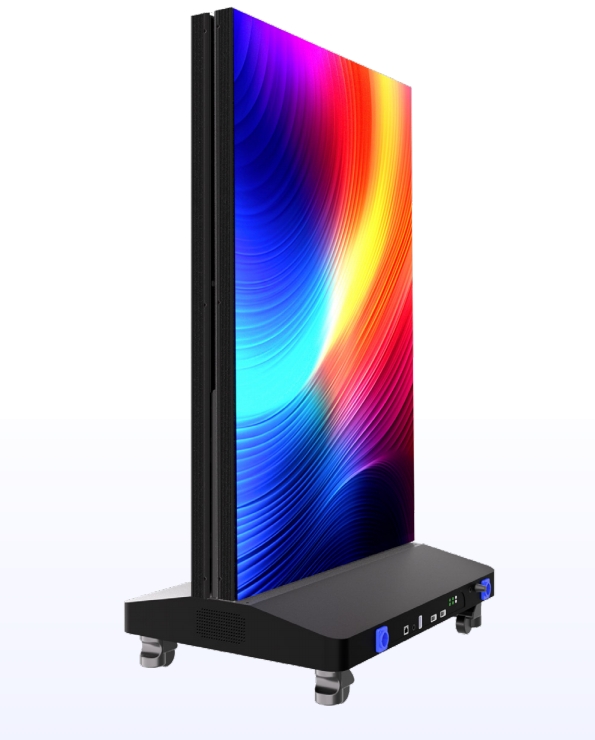
Digital signage refers to the use of digital displays, such as LED screens, LCD monitors, or projection systems, to convey information. These digital displays can be strategically placed in high-traffic areas to maximize visibility and impact. Unlike traditional static signs, digital signage can display a variety of dynamic content, including videos, images, and live feeds. This adaptability makes it an ideal solution for businesses looking to capture attention and engage their audience effectively. Furthermore, the ability to update content in real time allows for timely and relevant messaging, which is crucial in today’s information-driven society.
Digital signage is more than just a replacement for traditional signs; it represents a shift towards more interactive and engaging communication methods. By leveraging the capabilities of digital signage, businesses can create a more personalized and immersive experience for their audience. This form of communication not only enhances brand visibility but also fosters a deeper connection with the audience by delivering content that resonates with them on a personal level.
Benefits of Digital Signage for Companies
Implementing digital signage systems offers numerous advantages for businesses across various industries. Here are some key benefits:
Improved Communication
Digital signage allows companies to deliver messages quickly and efficiently. Whether it’s announcing a new product, sharing company news, or updating employees on policy changes, digital signage ensures that your message is seen and understood. This can significantly enhance internal communication, especially in large organizations with multiple departments. Moreover, the ability to tailor messages for specific audiences or locations ensures that communication is relevant and targeted, reducing the chances of misunderstandings or information overload.
In addition to internal communication, digital signage can also enhance external communication efforts. By strategically placing digital displays in areas frequented by customers or clients, businesses can ensure that important messages reach their intended audience. This immediacy and precision in communication can lead to quicker decision-making and more informed stakeholders, ultimately contributing to a more agile and responsive business environment.
Enhanced Customer Engagement
Digital signage can be used to create immersive and interactive experiences for customers. By displaying engaging content, businesses can capture the attention of their audience and encourage them to interact with the brand. This can lead to increased customer satisfaction and loyalty. Interactive digital signage can also be used to gather valuable customer feedback, offering insights into customer preferences and behaviors that can inform future marketing strategies.
Moreover, digital signage provides an opportunity to personalize the customer experience. By using data-driven insights, businesses can tailor content to meet the specific interests and needs of their customers. This level of personalization can differentiate a brand from its competitors, creating a memorable experience that fosters long-term relationships and brand advocacy.
Cost-Effective and Eco-Friendly
While the initial investment in digital signage systems may seem high, they can be more cost-effective in the long run compared to traditional signage. Digital signs reduce the need for printing materials, which not only saves money but also helps reduce environmental impact. The ability to update content digitally means that businesses can respond quickly to changes without incurring additional printing costs, resulting in significant savings over time.
Furthermore, the eco-friendly aspect of digital signage aligns with the growing consumer demand for sustainable business practices. By reducing the reliance on paper and other physical materials, businesses can minimize their carbon footprint and contribute to environmental conservation efforts. This commitment to sustainability can enhance a company’s reputation and appeal to environmentally-conscious consumers, providing an additional competitive advantage.
Applications of Digital Signage in Business

Digital signage can be utilized in various ways to meet specific business needs. Here are some common applications:
Retail Stores
In retail environments, digital signage can be used to promote products, highlight special offers, and guide customers through the store. It can also display customer reviews and testimonials, helping to build trust and credibility. By showcasing dynamic and visually appealing content, retailers can create a more engaging and enjoyable shopping experience that encourages repeat visits and higher spending.
Additionally, digital signage in retail settings can be integrated with other technologies, such as mobile apps or loyalty programs, to create a seamless omnichannel experience. This integration allows retailers to deliver personalized promotions and recommendations based on customer data, further enhancing the shopping experience and driving sales.
Corporate Offices
In corporate settings, digital signage can be used to display important announcements, meeting schedules, and company updates. It can also serve as a tool for employee recognition, showcasing achievements and milestones. By fostering a culture of appreciation and transparency, digital signage can boost employee morale and engagement, leading to increased productivity and job satisfaction.
Furthermore, digital signage can facilitate better communication between different departments and teams within a corporation. By providing a central platform for sharing information, digital displays can help break down silos and encourage collaboration, ultimately contributing to a more cohesive and efficient organizational culture.
Hospitality Industry
Hotels and restaurants can use digital signage to enhance the guest experience. For instance, hotels can display welcome messages, event schedules, and local attractions, while restaurants can showcase their menu and daily specials. This not only improves the guest experience but also provides opportunities for upselling and cross-selling services, increasing revenue potential.
In addition to guest-facing applications, digital signage can also be used behind the scenes to improve operational efficiency in the hospitality industry. By providing real-time updates and information to staff, digital displays can streamline processes and enhance service delivery, ensuring a smooth and enjoyable experience for guests.
How to Implement Digital Signage Systems
Implementing digital signage systems requires careful planning and execution. Here’s a step-by-step guide to help you get started:
Step 1: Define Your Objectives
Before investing in digital signage, it’s important to define your goals. Consider what you want to achieve with digital signage and how it aligns with your overall business strategy. This will help you determine the type of content and features you need. Clear objectives will also guide the decision-making process, ensuring that the digital signage system is tailored to meet your specific needs and delivers the desired outcomes.
Additionally, involving key stakeholders in the goal-setting process can provide valuable insights and foster buy-in, ensuring a smoother implementation process. By aligning the digital signage objectives with broader organizational goals, businesses can maximize the impact and value of their investment.
Step 2: Choose the Right Hardware and Software
Selecting the appropriate hardware and software is crucial for the success of your digital signage system. Consider factors such as screen size, resolution, and connectivity options. Additionally, choose software that allows for easy content management and scheduling. A user-friendly interface and robust features will enable you to efficiently manage and update your digital signage content, ensuring that it remains relevant and engaging.
It’s also important to evaluate the scalability and flexibility of the chosen technology. As your business grows and evolves, your digital signage system should be able to adapt and expand to meet changing needs. By investing in scalable solutions, you can future-proof your digital signage strategy and ensure its continued effectiveness.
Step 3: Create Engaging Content
Content is king when it comes to digital signage. Create visually appealing and relevant content that resonates with your audience. Keep your messages clear and concise, and use a mix of media formats to keep viewers engaged. Consider incorporating interactive elements, such as touchscreens or QR codes, to encourage audience participation and gather valuable feedback.
Collaborating with creative professionals or leveraging content creation tools can enhance the quality and impact of your digital signage content. By continuously monitoring and refining your content strategy based on audience feedback and performance metrics, you can ensure that your digital signage remains a powerful communication tool.
Step 4: Installation and Maintenance
Proper installation and regular maintenance are essential to ensure the longevity and performance of your digital signage system. Work with professionals to install the displays and schedule routine maintenance checks to address any technical issues. Regular updates and troubleshooting will prevent disruptions and ensure that your digital signage system operates smoothly and efficiently.
In addition to technical maintenance, it’s important to periodically review and update your content strategy to ensure that it aligns with your evolving business goals and audience preferences. By maintaining a proactive approach to both hardware and content management, you can maximize the value and effectiveness of your digital signage investment.
Measuring the Impact of Digital Signage

To maximize the benefits of digital signage for businesses, it’s important to measure its impact. Here are some metrics to consider:
Audience Engagement
Track how viewers interact with your digital signage. This could include measuring the duration of time spent viewing the content and the number of interactions with interactive displays. By analyzing these metrics, you can gain insights into audience preferences and behaviors, allowing you to tailor your content and strategy for maximum impact.
In addition to quantitative metrics, consider gathering qualitative feedback from your audience to gain a deeper understanding of their perceptions and experiences with your digital signage. This feedback can provide valuable insights into areas for improvement and inform future content and design decisions.
Content Performance
Analyze which types of content are most effective in capturing attention and driving engagement. Use this data to refine your content strategy and improve future campaigns. By identifying trends and patterns in content performance, you can create more targeted and impactful messaging that resonates with your audience.
Leveraging analytics tools and software can streamline the process of tracking and analyzing content performance, providing actionable insights that drive continuous improvement and innovation in your digital signage strategy.
Return on Investment
Calculate the ROI of your digital signage system by comparing the costs of implementation and maintenance with the benefits it brings to your business. This can help you determine the overall value of your investment. By demonstrating the tangible benefits and savings achieved through digital signage, you can justify further investments and expansions in this technology.
Regularly reviewing and assessing the ROI of your digital signage strategy will ensure that it continues to deliver value and aligns with your evolving business objectives. By prioritizing metrics and performance evaluation, businesses can make informed decisions and optimize their digital signage efforts for long-term success.
Conclusion
Digital signage is a versatile and powerful tool that can enhance business communication and drive engagement. By delivering dynamic and relevant content, businesses can effectively connect with their audience and achieve their communication goals. Whether you’re a small business or a large corporation, investing in digital signage systems can offer significant returns and help you stay ahead in today’s competitive market.
As you explore the possibilities of digital signage for your company, remember to tailor your strategy to meet your specific needs and objectives. By adopting a strategic and data-driven approach, you can leverage digital signage to transform your business communication and pave the way for success. Embrace the potential of digital signage to create meaningful connections with your audience and drive growth and innovation in your organization.