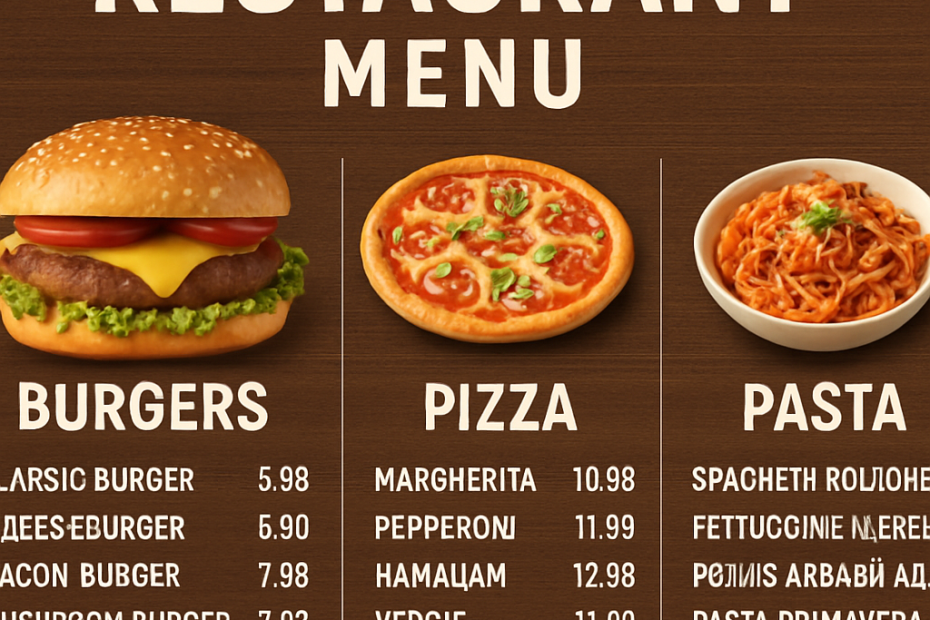
In the bustling world of restaurants, effective communication is key. Whether it’s conveying a menu, promoting specials, or guiding customers, the way information is presented can make a significant difference. This is where info signage, especially digital signage, comes into play. In this article, we’ll explore the role of info signage in restaurants, its benefits, and how it transforms the dining experience.
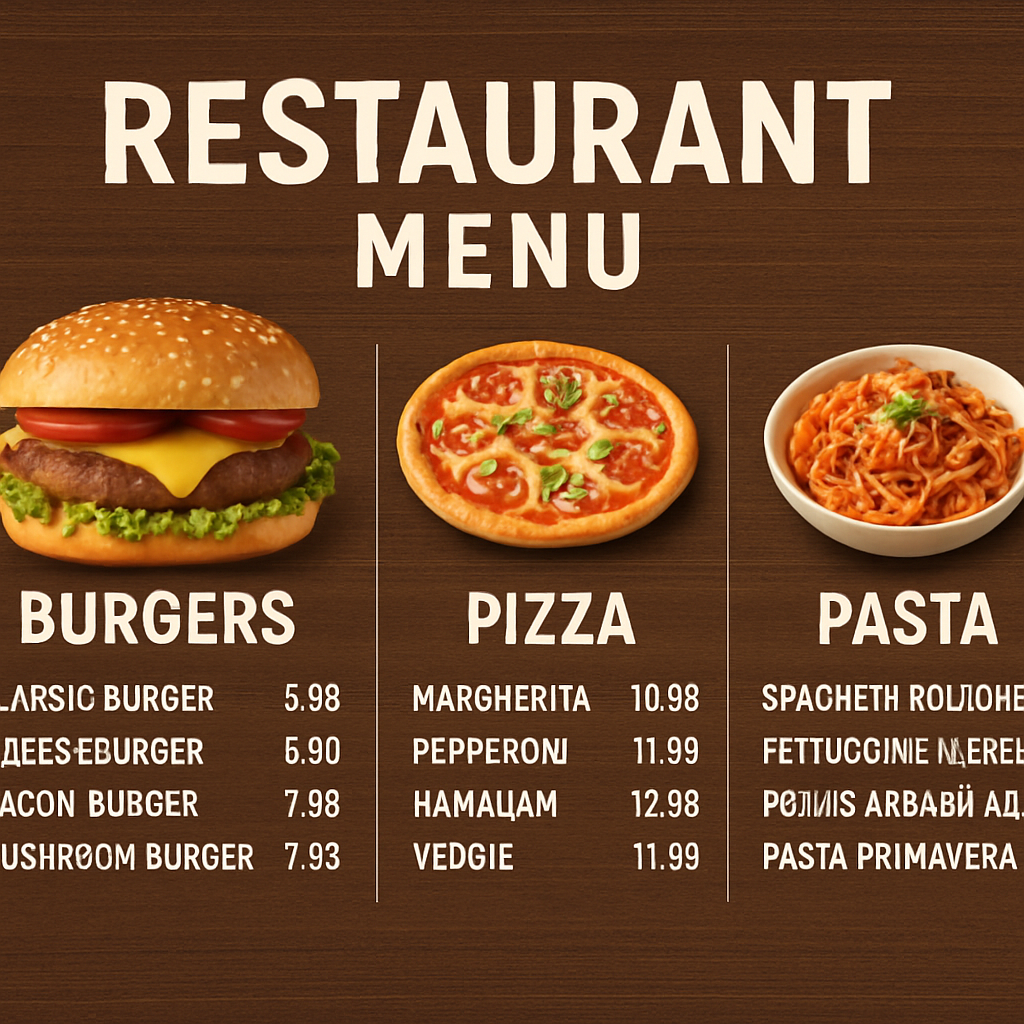
Info signage refers to the use of signs, displays, or screens to convey information to customers. In restaurants, this can range from traditional printed menus and boards to modern digital screens that display dynamic content. The goal is to communicate clearly and effectively, enhancing the customer experience.
The Rise of Digital Signage
Digital signage has revolutionized visual communication in restaurants. Unlike static signs, digital displays offer flexibility and interactivity. They can showcase a variety of content, from menu items to promotional videos, all while being easily updated as needed. This adaptability is a significant advantage in the fast-paced restaurant industry.
Benefits of Digital Signage in Restaurants
Digital signage offers several benefits that can improve both customer satisfaction and business efficiency.
Improved Customer Experience
- Clear Communication: Digital signs are bright and easy to read, ensuring customers can quickly find the information they need, such as menu items, prices, and specials.
- Engagement: Interactive screens can engage customers more effectively than traditional signs. Touchscreen menus or interactive displays can enhance the dining experience, making it more enjoyable and memorable.
- Entertainment: Digital screens can also provide entertainment, such as showcasing chef videos, cooking tutorials, or fun facts about the dishes. This can enrich the dining experience and keep customers entertained while they wait.
Operational Efficiency
- Easy Updates: With digital signage, updating information is quick and efficient. Whether it’s a menu change or a new promotion, staff can update displays instantly without the need for printing new materials.
- Cost-Effective: Although the initial investment might be higher, digital signage can be more cost-effective over time. It reduces the need for printing and reprinting materials, saving both time and resources.
- Consistency: Digital signage ensures consistency in the presentation of information across multiple locations. This is particularly beneficial for restaurant chains looking to maintain a uniform brand image.
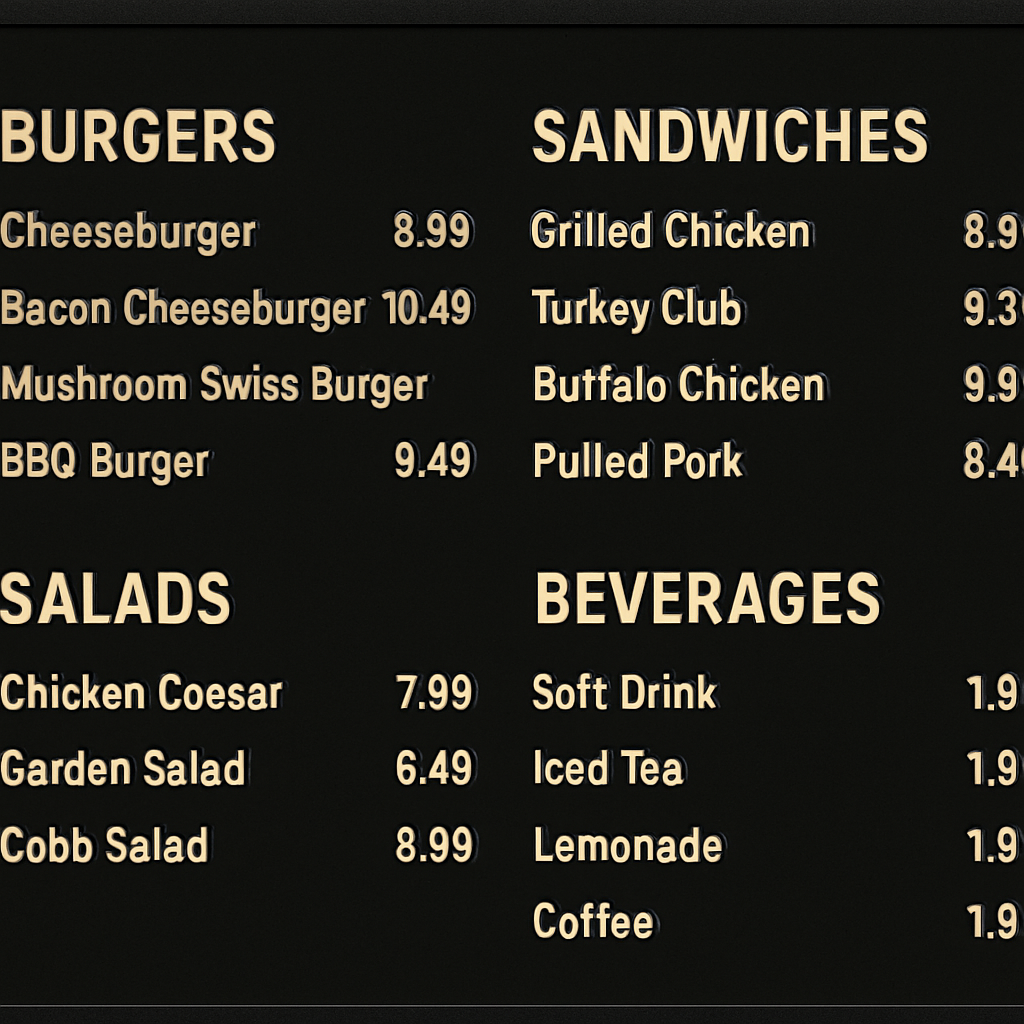
Implementing Digital Signage
Choosing the Right System
When selecting a digital signage system, consider factors such as screen size, resolution, software capabilities, and ease of use. The system should be compatible with your restaurant’s needs and scalable as your business grows.
Content Strategy
Creating effective content for digital signage involves more than just displaying information. It’s about crafting a strategy that aligns with your brand and resonates with your customers.
- Visual Appeal: Design content that is visually appealing with high-quality images and graphics. Use colors and fonts that reflect your brand identity.
- Relevant Information: Display relevant information that meets customer needs. This could include daily specials, upcoming events, or customer testimonials.
- Dynamic Content: Leverage the capability of digital signage to display dynamic content, such as videos or animations, to capture attention and keep the content fresh.
Placement and Visibility
Strategically place digital signage where it is most visible and accessible to customers. Entryways, waiting areas, and dining rooms are ideal locations. Ensure the screens are at eye level and not obstructed by furniture or decor.
Case Studies: Successful Digital Signage in Restaurants
Fast Food Chains
Many fast-food chains have embraced digital signage to streamline operations and enhance customer experience. For example, McDonald’s uses digital menu boards to display real-time promotions and streamline the ordering process, reducing wait times and increasing efficiency.
Casual Dining
In casual dining, digital signage is used to create a cozy and engaging atmosphere. Restaurants like Applebee’s incorporate screens to display sports events or interactive trivia games, enhancing the overall dining experience.

Challenges and Considerations
While digital signage offers numerous benefits, there are challenges to consider:
- Initial Investment: The cost of installing digital signage can be significant. However, the long-term savings and benefits often outweigh the initial expenses.
- Maintenance: Digital systems require regular maintenance to ensure they function properly. This includes software updates, hardware checks, and troubleshooting any issues that may arise.
- Content Management: Keeping content fresh and relevant requires continuous effort. Designate a team member or hire a service to manage the content effectively.
Conclusion
Info signage, particularly digital signage, is an invaluable tool for modern restaurants. It enhances visual communication, improves customer experience, and streamlines operations. By investing in digital signage, restaurants can stay competitive, engage customers more effectively, and adapt to the fast-changing industry landscape.
Incorporating digital signage into your restaurant’s strategy not only modernizes your operations but also sets the stage for a more interactive and enjoyable dining experience. Whether you’re a small bistro or a large chain, the right signage can transform the way you communicate with your customers and elevate your brand to new heights.
ScreenSculpt is a professional commercial display solutions manufacturer based in Shenzhen, founded and led by a technically experienced team. We maintain strong partnerships with leading panel manufacturers such as Samsung, LG, BOE, HKC, Innolux, and CSOT, ensuring access to premium display resources for our digital signage solutions, contact us now!