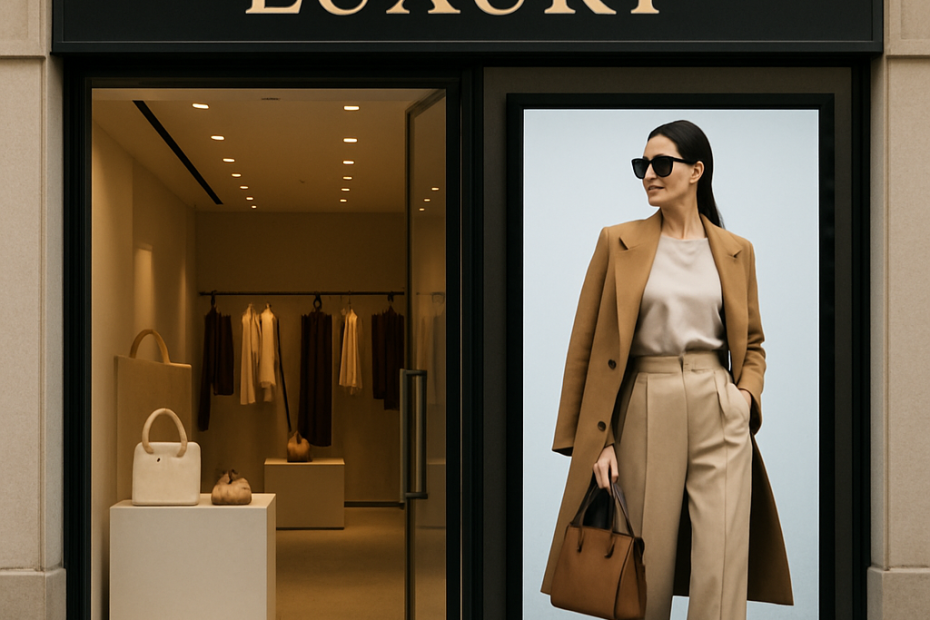
In the rapidly evolving world of retail, staying ahead of technology trends is crucial, especially for luxury brands. By 2025, luxury retailers will need to adapt to new window display technologies that captivate and engage customers. Two prominent contenders are digital window displays and smart glass technology. Both offer unique advantages, but which is better suited for luxury retail? Let’s explore.

Understanding Digital Window Displays
Digital window displays, often referred to as TV window displays or shop window TV displays, have revolutionized the way retailers engage with passersby. These displays use high-definition screens to showcase dynamic content, from promotional videos to interactive advertisements. The ability to update content remotely and frequently makes digital window advertising a flexible option for luxury brands.
Advantages of Digital Window Displays
- Dynamic Content: The ability to display moving images and videos grabs attention more effectively than static displays.
- Remote Management: Content can be updated in real-time from anywhere, allowing for quick changes in promotional campaigns.
- Interactivity: Some displays offer touch capabilities, inviting customers to interact with the brand directly at the storefront.
- High Visibility: Bright, high-resolution screens ensure that the display is visible even in direct sunlight.
Challenges of Digital Window Displays
While digital window displays offer numerous benefits, they also come with challenges. The upfront cost of high-quality screens can be significant. Additionally, continuous content production is necessary to keep the display fresh and engaging.
Exploring Smart Glass Technology
Smart glass technology, also known as switchable glass, allows windows to change from transparent to opaque with the flick of a switch. This technology can be used creatively in retail environments to showcase products or create immersive brand experiences.

Advantages of Smart Glass
- Privacy and Exclusivity: Smart glass can create private shopping experiences or reveal exclusive product launches.
- Energy Efficiency: It can reduce glare and heat, contributing to a more comfortable in-store environment and lower energy costs.
- Aesthetic Appeal: The sleek, modern look of smart glass complements luxury brand aesthetics.
Challenges of Smart Glass
Smart glass is not without its drawbacks. The technology can be expensive, and the transition between states may not always be seamless. Additionally, smart glass lacks the dynamic content capabilities of digital displays, limiting its use for advertising purposes.
Digital Window Display vs. Smart Glass: A Comparative Analysis
Cost Considerations
Both digital window displays and smart glass involve significant investment. However, digital displays may offer a better return on investment through their ability to drive sales via engaging content.
Flexibility and Content
Digital displays provide unmatched flexibility in terms of content delivery. The ability to change displays quickly and often means retailers can respond to trends and customer preferences rapidly. Smart glass, on the other hand, offers limited content options but excels in creating unique, high-end shopping experiences.
Customer Engagement
When it comes to engaging customers, digital window displays take the lead with their interactive capabilities. However, smart glass can create an aura of exclusivity that appeals to luxury shoppers, enhancing the brand experience.

The Future of Window Display Technology
Looking ahead to 2025, the landscape of window display technology in luxury retail is likely to continue evolving. Innovations in digital signage and smart glass are expected to enhance their respective offerings further. Retailers will likely employ a combination of both technologies to create the ultimate customer experience.
Integrating Both Technologies
For luxury brands, the optimal solution may lie in integrating both digital displays and smart glass. This combination can offer the best of both worlds: dynamic content to attract and inform, alongside the exclusivity and aesthetic appeal of smart glass.
Conclusion: Making the Right Choice for Luxury Retail
In the debate between digital window displays and smart glass, there is no one-size-fits-all answer. The choice depends on the specific goals and budget of the luxury retailer. For brands focused on dynamic advertising and customer interaction, digital window displays are a clear winner. However, for those seeking to create unique, high-end experiences, smart glass offers undeniable appeal.
Ultimately, the future of luxury retail window displays will likely involve a blend of both technologies, tailored to meet the specific needs and preferences of the target audience. As we approach 2025, staying informed about technological advancements and being willing to adapt will be key to maintaining a competitive edge in the luxury retail market.
Explore ScreenSculpt LCD/LED digital signage display screen, featuring a range of versatile commercial LCD/LED display products. such as indoor/outdoor digital signage, signage kiosk, led/lcd poster screen. Each digital signage is designed to meet diverse business needs and enhance visual communication.