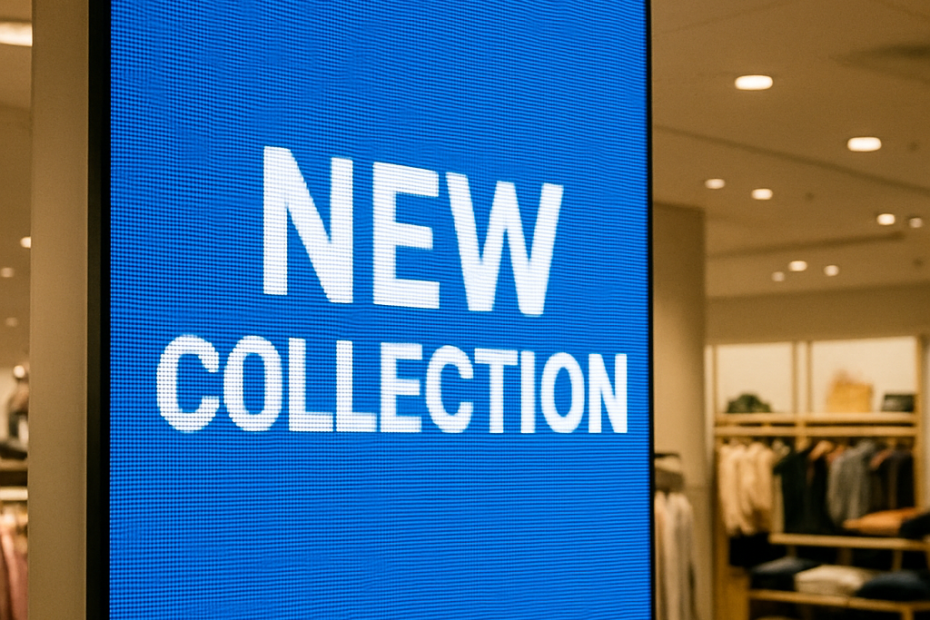
In an era where smartphone screens dominate our attention, customers walking into a physical retail store crave more vivid, dynamic visual experiences. A static poster, no matter how beautifully designed, struggles to compete with the content at our fingertips. This is precisely why digital LED screens are quietly rising as the central storytellers in modern retail spaces—they are more than just displays; they are dynamic bridges connecting brands with consumers.

Catalogue
- Beyond Tradition: The Transformative Power of Digital LED in Retail
- Strategic Deployment: Key Locations and Scenario-Based Applications
- The Intelligent Core: Content & Data-Driven Operational Revolution
- A Practical Guide: Key Considerations Before Deployment
- The Future is Here: The Next Stop for Retail Screens
- FAQ
- Conclusion
Beyond Tradition: The Transformative Power of Digital LED in Retail
Stepping into a flagship store with a panoramic LED wall, customers feel as if they are entering the heart of the brand’s narrative. High definition, vibrant colors, and seamless splicing technology elevate product presentation from “display” to “experience.”
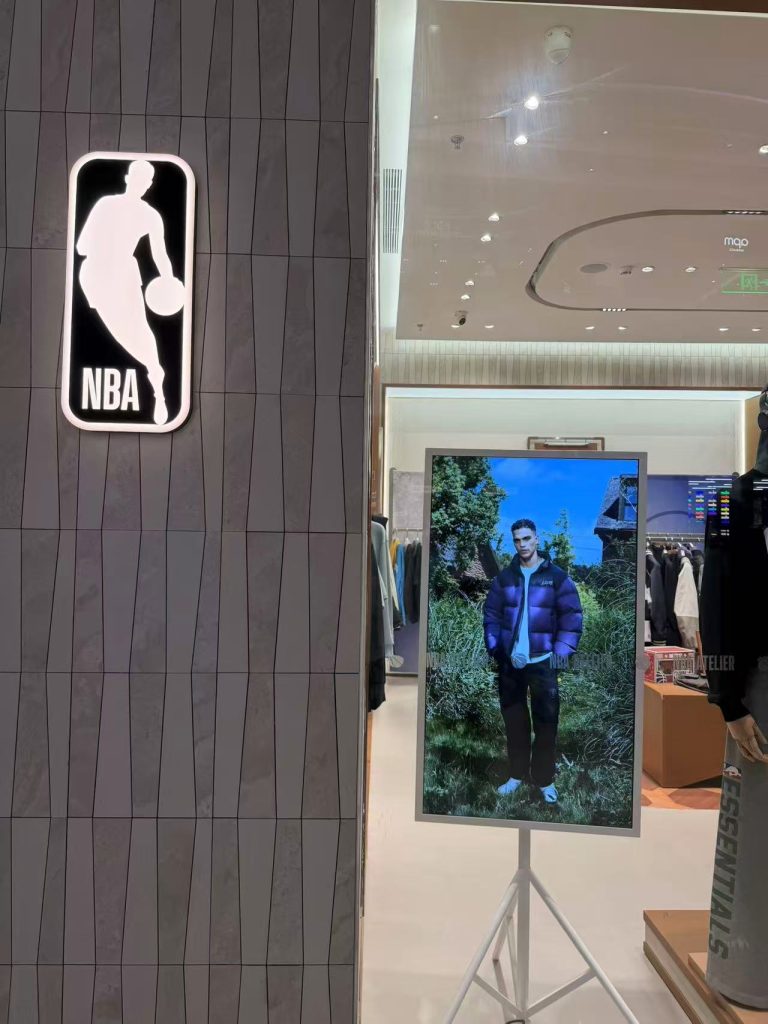
Key Advantages at a Glance:
- Ultimate Visual Appeal: With high brightness levels exceeding 2000 nits, visuals remain sharp and lively even in sunlit street-front windows, naturally drawing the attention of passersby.
- Flexible & Instant Content Updates: Say goodbye to the cycles and waste of printed posters. Promotional messages, seasonal themes, and social media content can be updated in real time with a single click.
- Immersive Environment Creation: From simulating a Parisian runway show to transforming a fitting room into a tropical rainforest, screen content can switch instantly with product lines or marketing themes.
- Enhanced Interactive Experience: By integrating touchscreens, sensors, and AR technology, customers can check inventory, mix and match items, even “try on” digital outfits, significantly boosting engagement.
Strategic Deployment: Key Locations and Scenario-Based Applications
Smart retail understands how to tell the right story in the right place.
- Store Windows & Facades: The “Brand Art Gallery” of the city. Transform static windows into dynamic storytelling portals that maintain brand vitality and attract footfall even outside business hours. For example, Burberry’s giant LED facade on its London flagship has become a landmark platform for digital art.
- In-Store Feature Wall: The “Pace Setter” of the sales floor. An LED wall positioned at the end of a main aisle can effectively guide customer flow and reinforce brand image and seasonal themes through looped core content.
- Product Display Areas: The silent “Super Sales Associate.” In high-value product zones like jewelry or electronics, use screens to showcase craftsmanship details, usage scenarios, or customer testimonials, providing rich information that paper tags cannot convey, directly influencing purchasing decisions.
- Interactive Experience Zones: The “Data Collector” and “Relationship Catalyst.” Through engaging games, photo opportunities, and other interactive content, these zones increase dwell time and, with permission, gather preference data to fuel personalized marketing.
The Intelligent Core: Content & Data-Driven Operational Revolution
Technology is the skeleton, but content is the soul. Successful digital screen projects follow the “4R Content Principle”:
- Relevant: Content must be highly relevant to the local products, customer demographics, and time of day.
- Rhythmic: A scientific mix of dynamic and static visuals to avoid viewer fatigue.
- Responsive: Ability to adjust content in real time based on factors like weather, foot traffic, or social media trends.
- Reportable: Playback data from all screens should be trackable and analyzable for content strategy optimization.
More importantly, modern retail LED solutions can integrate with store CRM and inventory management systems. When screens detect increased foot traffic, they can automatically switch to brand image ads. When they notice a customer lingering in an area, they can push relevant product combinations or promotions, achieving “thousands of screens, thousands of faces” precision communication.
A Practical Guide: Key Considerations Before Deployment
Before implementing digital LED screens, retailers are advised to think systematically:
- Define Core Objectives: Is the goal to enhance brand image, promote specific products, or directly drive sales? The objective dictates everything.
- Balance Technology and Content Budgets: Avoid “prioritizing hardware over content.” Industry experience suggests that for successful projects, investment in content creation and updates should not be less than 30% of the total budget.
- Conduct a Space & Specification Audit: Viewing distance determines pixel density (PPI), and ambient light influences brightness requirements—these need professional assessment.
- Plan for Operations & Maintenance First: Consider content update frequency, technical support, and long-term operational costs to ensure sustainability.
The Future is Here: The Next Stop for Retail Screens
Technological evolution never stops. Currently, we are witnessing three major trends:
- Transparent LED Screens: Display dynamic content while maintaining window transparency, achieving a perfect blend of virtual and real.
- Irregular-Shaped & Flexible Screens: Breaking free from rectangular constraints to wrap around columns or ceilings, enabling revolutionary spatial design.
- Deep AI Integration: Through cameras and AI analytics, screen content can not only “respond” to crowd demographics but also adjust messaging based on subtle customer expressions, enabling unprecedented personalized communication.
FAQ
What types of digital LED screens are best for retail?
- Indoor LED Displays: High-resolution screens (P2-P4 pixel pitch) for product showcases, feature walls, or interactive kiosks.
- Outdoor LED Displays: Weather-resistant screens with high brightness (5,000+ nits) for storefronts or window displays.
- Transparent LED Screens: Allow visibility through the screen while displaying content—ideal for store windows.
- Flexible/Curved LED Screens: Create unique shapes for creative installations (e.g., pillars, arches).
How much do digital LED screens cost for a retail store?
Costs vary based on:
- Screen Size & Resolution: Larger, higher-resolution screens cost more.
- Installation Complexity: Custom designs or outdoor setups increase expenses.
- Content Management Software (CMS): Subscription or one-time purchase fees.
- Maintenance & Support: Ongoing costs for repairs or updates.
Estimated Range:
- Small indoor screens (10–20 sq. ft.): $3,000–$10,000.
- Large outdoor/storefront displays: $15,000–$100,000+.
Can digital LED screens be used interactively?
Yes! Integration options include:
- Touchscreen Overlays: For product catalogs, lookbooks, or wayfinding.
- Motion Sensors: Trigger content when customers approach.
- QR Codes/Augmented Reality (AR): Link screens to mobile experiences.
- Social Media Feeds: Display user-generated content or live posts.
How difficult is it to update content on digital LED screens?
- Easy Updates: Most systems use cloud-based CMS platforms (e.g., Broadsign, ScreenCloud). Updates can be made remotely via smartphone, tablet, or computer.
- Scheduling: Content can be pre-scheduled (e.g., holiday promotions, timed discounts).
- Templates: Use drag-and-drop tools to design content without coding.
What technical factors should retailers consider?
Pixel Pitch: Lower pitch = higher resolution (choose P1.5–P4 for indoor viewing close-up).
Brightness: Indoor: 800–1,500 nits; Outdoor: 5,000+ nits for sunlight visibility.
Viewing Angle: Ensure screens are visible from wide angles (140°+ recommended).
Power Consumption: LED screens are energy-efficient but vary by model.
Heat & Ventilation: Proper cooling extends screen lifespan.
Conclusion
In the new era of retail where experience is king, digital LED screens have evolved from expensive novelties into indispensable retail infrastructure. They redefine how stores converse with customers—shifting from one-way announcements to dynamic, immersive, two-way experiential dialogues. For retailers, investing in such screens is, in essence, investing in the core capability to transform stories into emotion and foot traffic into loyal engagement.
When the customer’s gaze is illuminated, the possibilities for commerce shine just as brightly.