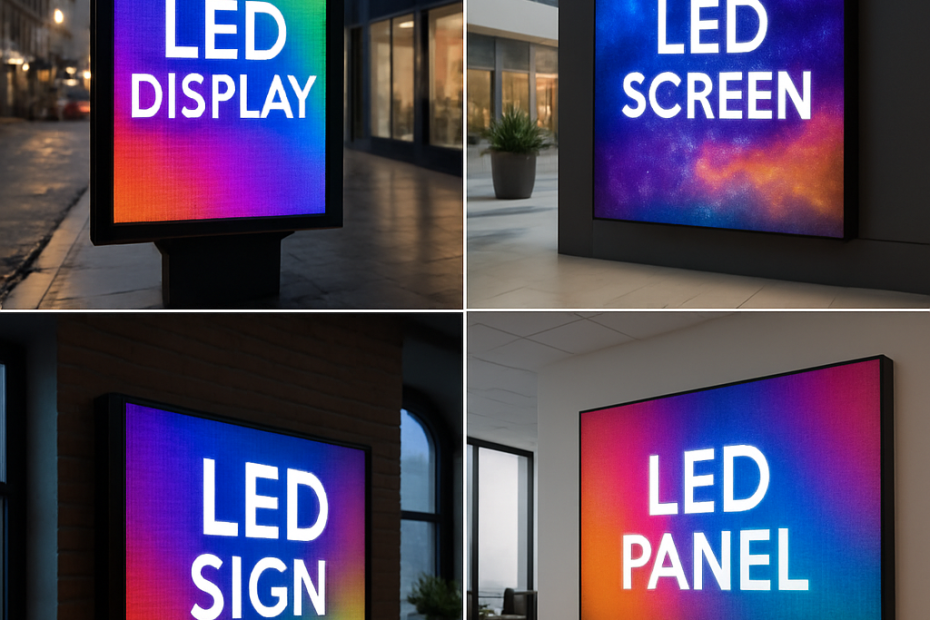
LED displays have transformed how we view digital content. They are everywhere, from billboards to smartphones.
Understanding the different types of LED displays can be overwhelming. Each type has unique features and applications.
This guide will help you navigate the world of LED displays. We will explore their benefits and uses.
Whether you’re a tech enthusiast or a business owner, this article is for you. Discover how LED displays can enhance your projects.
Let’s dive into the fascinating world of LED technology and its diverse applications.
What is an LED Display?
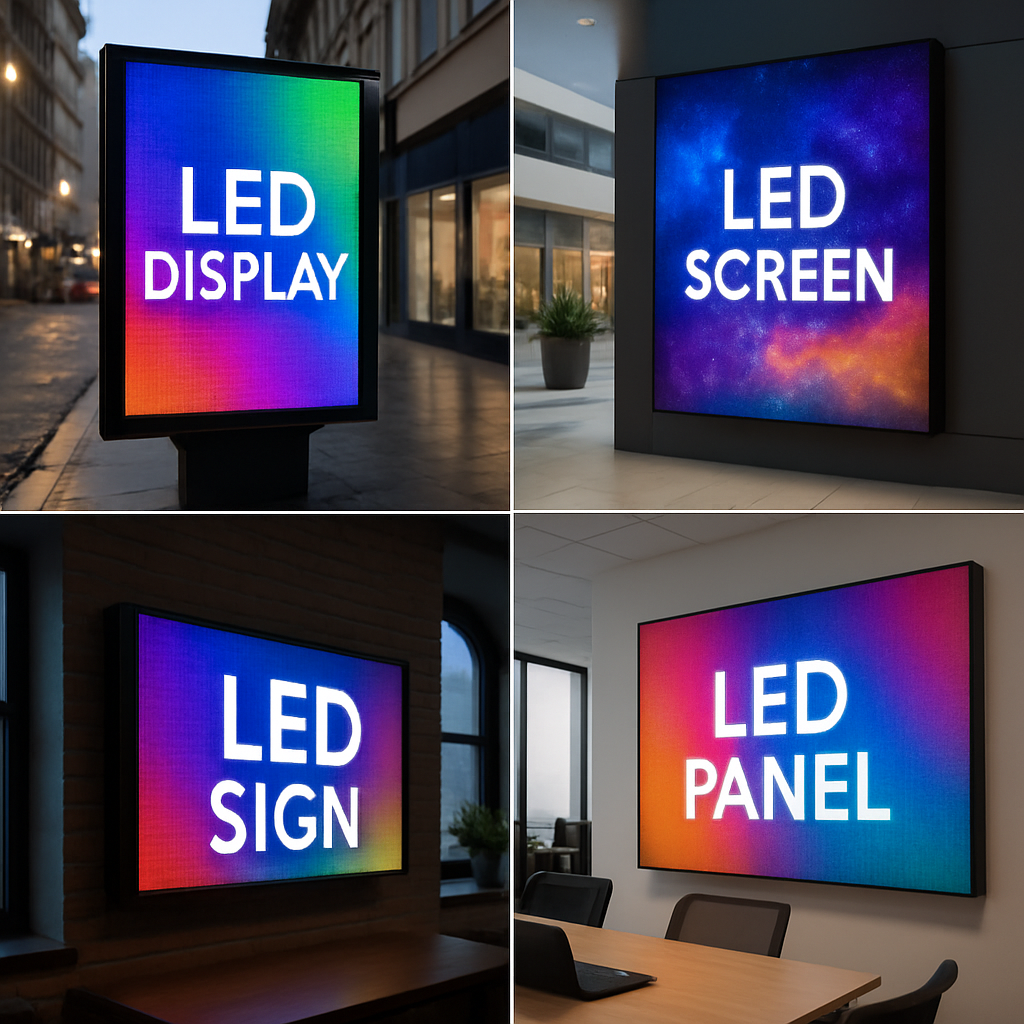
An LED display is a screen that uses light-emitting diodes. These diodes create bright, vivid images and text. LED technology is known for its energy efficiency and durability.
LED displays stand out due to their superior brightness and contrast. They are visible even under direct sunlight, making them highly versatile. The technology supports a wide range of sizes and shapes.
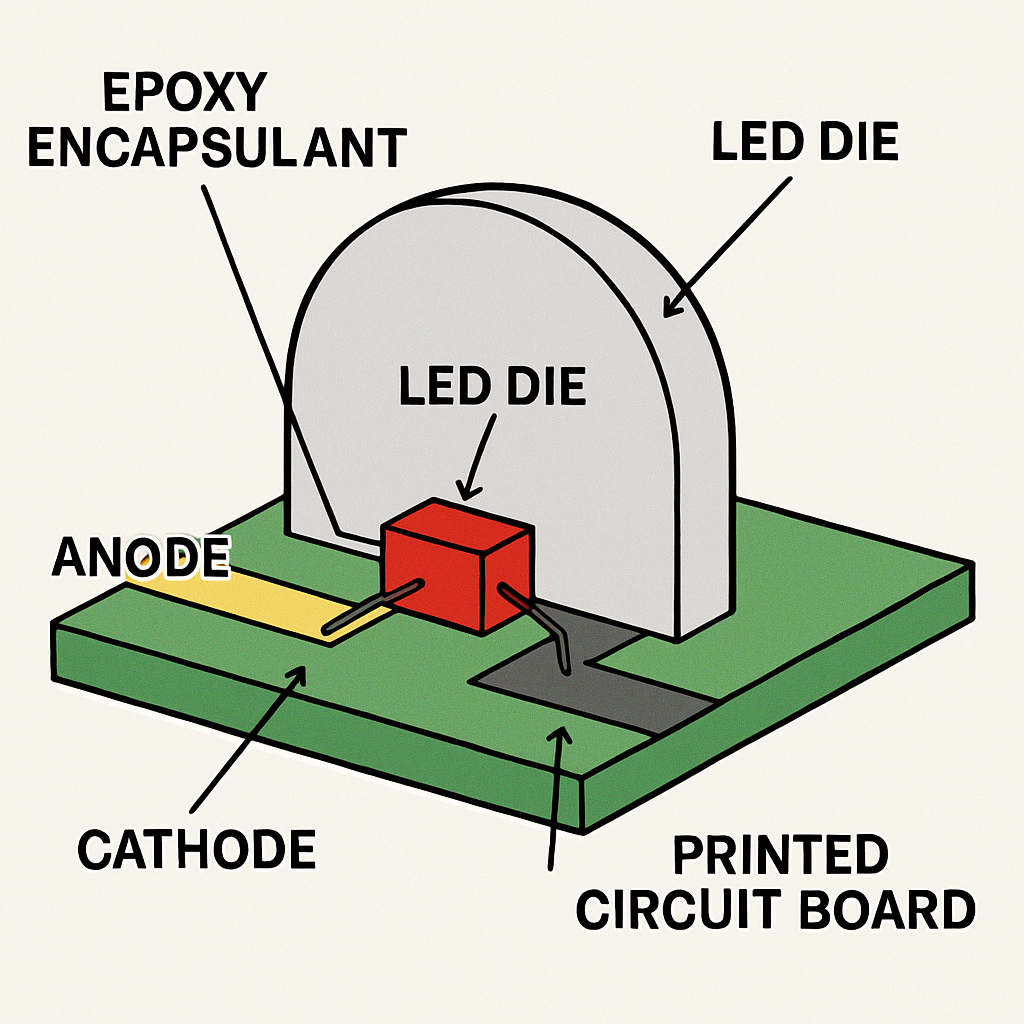
LED displays are composed of several parts that work together:
- Pixels: The smallest unit, made up of red, green, and blue diodes.
- Modules: Groups of pixels form modules.
- Panels: Several modules make a display panel.
Key Features and Benefits of LED Displays
LED displays provide several advantages over traditional display types. One key feature is their exceptional brightness. This allows for visibility even in bright environments like outdoor settings.
LED displays are also highly energy-efficient, saving costs on electricity. Their durability further reduces the need for frequent replacements, lowering overall maintenance expenses.
LED technology enables remarkable color accuracy and contrast levels. This results in sharp images and vibrant visuals, enhancing viewer experience. The flexibility in design allows for customized displays.
Here are some of the standout benefits:
- High brightness for outdoor visibility.
- Energy-efficient performance.
- Long-lasting with lower maintenance costs.
- Superior color and image quality.
Overall, LED displays serve a variety of purposes across different industries, illustrating their versatility.

by Paul Pablo (https://unsplash.com/@oh_snaps)
Main Types of LED Displays
LED displays come in various forms tailored to specific needs. These types cater to both indoor and outdoor applications, providing solutions for different environments.
Here are the main types of LED displays:
- Indoor LED Displays
- Outdoor LED Displays
- Transparent LED Displays
- Flexible LED Displays
- LED Video Walls
Each type offers unique features and serves various applications across different industries.
Indoor LED Displays
Indoor LED displays are primarily designed for interior environments. They are frequently used in retail spaces, corporate settings, and event venues. Their high resolution and vibrant colors make them ideal for close-up viewing.
These displays are adjustable and can fit spaces like conference rooms and trade shows. Some common features include:
- Adjustable brightness for indoor lighting conditions.
- High resolution for detail-rich content.
- Variety of sizes to fit any space.
Indoor displays are versatile and can enhance customer engagement by delivering dynamic and interactive content.

by Cova Software (https://unsplash.com/@covasoftware)
Outdoor LED Displays
Outdoor LED displays are built to endure harsh weather conditions. They are typically used for advertising on billboards and for information displays in stadiums. Their high brightness levels ensure visibility in direct sunlight.
These displays are rugged and weather-resistant. Key characteristics include:
- High brightness levels for daytime visibility.
- Durable design for weather endurance.
- Larger pixel pitch suitable for distant viewing.
Outdoor displays are essential for businesses needing to reach wide audiences with impactful visuals.

by Bruce Barrow (https://unsplash.com/@bruceb_uk)
Transparent LED Displays
Transparent LED displays offer a futuristic approach to advertising and displays. They allow light to pass through, making them perfect for storefronts and glass building facades.
These displays blend seamlessly into glass surfaces, maintaining a level of transparency. Key features include:
- Integration with glass structures.
- Lightweight and easy to install.
- High transparency level.
Retailers use transparent displays to showcase products without obstructing the view inside stores.

by Gaurav Bagdi (https://unsplash.com/@dfyngrvty)
Flexible LED Displays
Flexible LED displays can be bent and shaped to fit unique design needs. They are often used in creative installations and events.
These displays offer an interactive and engaging experience for viewers. Some important traits are:
- Bendable and adaptable design.
- Lightweight for easier handling.
- Durable material for long-term use.
Flexible displays enable designers to explore new artistic expressions in digital signage.

by Igor Shalyminov (https://unsplash.com/@ishalyminov)
LED Video Walls
LED video walls consist of multiple LED panels arranged together for a larger display area. They are used in arenas, control rooms, and concert venues where large visuals are necessary.
These walls are impressive, providing immersive experiences. Key benefits include:
- Seamless display with no visible borders.
- High resolution for large environments.
- Scalability to adjust to venue size.
Video walls leave a lasting impression and are perfect for captivating large audiences.

by Arawark chen (https://unsplash.com/@arawark)
Specialized Types of LED Displays
There are several specialized LED displays that address niche requirements. These types further refine the capabilities of LED technology, presenting opportunities for advanced applications.
Here’s a look at some specialized types:
- Mini-LED Displays
- Micro-LED Displays
- OLED and QLED Displays
These variations offer enhanced features tailored for specific needs or experiences.
Mini-LED Displays
Mini-LED displays harness smaller LED backlighting to improve brightness and contrast. They’re often used in high-end TVs and monitors, offering a stellar viewing experience.
Key advantages include:
- Enhanced contrast ratios
- Improved color accuracy
- Decreased halo effect
These displays are gaining popularity for their superior picture quality.

by Ignat Kushnarev (https://unsplash.com/@ignatkushanrev)
Micro-LED Displays
Micro-LED displays feature even smaller LEDs for ultra-high resolution. This technology promises brighter displays with superb energy efficiency.
Noteworthy benefits consist of:
- Greater brightness levels
- Exceptional durability
- Low power consumption
Micro-LEDs are paving the way for the next generation of display innovation.

by Leiada Krözjhen (https://unsplash.com/@leiadakrozjhen)
OLED and QLED Displays
OLED (Organic LED) displays leverage organic molecules for vivid color representation. QLED (Quantum Dot LED) displays use quantum dots to enhance brightness and color.
These technologies are known for:
- Superior black levels in OLEDs
- High peak brightness in QLEDs
- Expansive color gamut
OLEDs deliver absolute blacks, while QLEDs shine with exceptional brightness and color volume, making each suitable for various environments.
Choosing the Right LED Display: Key Factors
Selecting the right LED display requires consideration of several critical factors. Each use case demands specific features, so understanding your needs is key.
Evaluate the following:
- Pixel Pitch: Affects resolution and viewing distance.
- Brightness Level: Important for outdoor vs. indoor settings.
- Durability: Consider weather resistance for outdoor displays.
Additionally, consider the installation environment to ensure optimal display performance. Ambient light and audience proximity should guide your choice.
Proper assessment will lead to a display solution that enhances engagement and effectiveness in your unique context.

by Fumiaki Hayashi (https://unsplash.com/@fumirin)
Common Applications of LED Displays
LED displays have become integral in many sectors due to their versatility and impact. Their ability to showcase vibrant visuals is unmatched, making them indispensable in contemporary settings.
They are widely used across various industries, including:
- Retail: For captivating window displays and promotions.
- Entertainment: Enhancing live events and concerts.
- Transportation: Providing real-time information at hubs.
These displays are also popular in educational facilities and corporate environments for presentations. Their dynamic nature allows for engaging, interactive experiences.
The potential applications are virtually limitless, contributing to enhanced communication and marketing efforts worldwide.

by Mesha Mittanasala (https://unsplash.com/@meshaxphotography)
Future Trends in LED Display Technology
The future of LED display technology looks promising with several innovative trends emerging. These advancements are set to revolutionize how we interact with digital content.
Key trends to watch include:
- Micro-LEDs for enhanced resolution.
- Transparent displays for versatile applications.
- AI integration for personalized content delivery.
These developments will not only improve visual quality but also offer new creative possibilities. The ongoing evolution will ensure LED displays remain at the forefront of digital signage. As technology advances, expect more interactive and immersive experiences.

by Kajetan Sumila (https://unsplash.com/@kajtek)
Conclusion
LED displays come in a wide variety of types, each with its unique strengths. Whether you’re looking for indoor or outdoor solutions, there’s a suitable option available.
As technology evolves, LED displays will continue to offer innovative features. Understanding the different types will help you make informed decisions. Embrace LED technology for dynamic, efficient, and engaging visual solutions.
Contact us to customize your led display, +86 137 2375 4264