
In today’s fast-paced digital world, displaying information and capturing attention is more important than ever. Whether you’re a business owner looking to advertise your products or an event organizer aiming to impress your audience, choosing the right display technology can make all the difference. Let’s dive into the world of display technologies and explore the differences between custom LED screens and standard displays to help you decide which option is right for your needs.
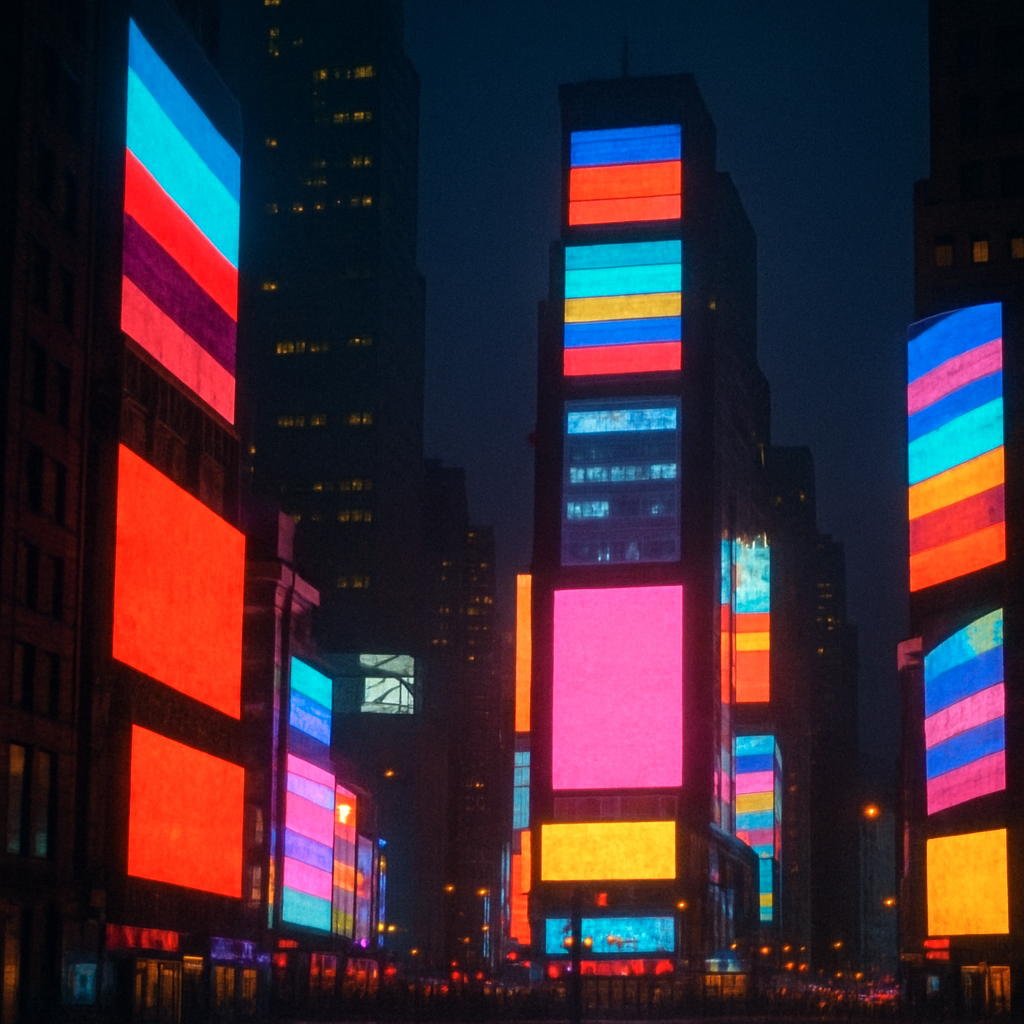
Understanding Display Technologies
What Are Standard Displays?
Standard displays, often known as LCD (liquid crystal display) or OLED (organic light-emitting diode), are the traditional screens we encounter in various devices. They are commonly used in televisions, computer monitors, and signage. These displays provide clear and crisp images, but they come with limitations in terms of size and customization.
The Rise of Custom LED Screens
Custom LED screens, on the other hand, have gained popularity for their versatility and adaptability. Unlike standard displays, LED (light-emitting diode) technology allows for greater flexibility in design and size. This means you can have a display that’s tailored to fit specific dimensions or shapes, making it ideal for unique applications.
Key Differences Between Custom LED Screens and Standard Displays
Customization and Flexibility
One of the most significant advantages of custom LED screens is their ability to be customized. Whether you need a custom size LED screen or a custom shape LED screen, the technology allows you to create a display that perfectly fits your space and requirements. This level of customization is not possible with standard displays.
Standard displays are restricted to predefined sizes and shapes, limiting their adaptability. If you’re looking for a display that can conform to a specific architectural feature or a unique branding opportunity, custom LED screens offer a clear advantage.

Image Quality and Brightness
Both custom LED screens and standard displays can deliver high-quality images, but there are some differences. LED screens are known for their superior brightness and contrast, making them ideal for outdoor use or environments with high ambient light. They also provide vibrant colors, ensuring your content pops and grabs attention.
Standard displays, while offering good image quality, may struggle in bright environments. Their brightness levels are generally lower, and they may not perform as well as custom LED screens in outdoor settings.
Cost Considerations
Cost is a crucial factor when deciding between custom LED screens and standard displays. Custom LED screens tend to have a higher upfront cost due to their advanced technology and customization options. However, they can offer better long-term value, especially if you require a unique display solution.
Standard displays are often more budget-friendly initially, but they may not offer the same level of flexibility or impact as custom LED screens. It’s essential to weigh the initial investment against the potential benefits and longevity of the display.
Applications and Use Cases
Custom LED Screens: Where They Shine
Custom LED screens are a game-changer in various industries. Here are some scenarios where they truly excel:
- Retail Spaces: Custom digital signage can transform retail environments by creating engaging and interactive shopping experiences. From large-scale video walls to eye-catching window displays, custom LED screens can help drive foot traffic and sales.
- Events and Exhibitions: For event organizers, custom LED screens offer the ability to create immersive experiences. Whether it’s a concert, trade show, or conference, having a unique and dynamic display can leave a lasting impression on attendees.
- Architecture and Design: Customizable LED displays can be seamlessly integrated into architectural designs, allowing for creative installations that enhance the aesthetics of a space.

Standard Displays: Practical and Reliable
Standard displays still hold their ground in many practical applications:
- Office Environments: For presentations and meetings, standard displays like projectors and monitors provide reliable solutions.
- Home Entertainment: LCD and OLED televisions remain popular choices for home entertainment systems, offering excellent picture quality for movies and gaming.
Making the Right Choice
Choosing between custom LED screens and standard displays depends on your specific needs and goals. Consider the following factors when making your decision:
- Purpose and Environment: Assess where and how the display will be used. If you need a display for outdoor events or unique installations, custom LED screens offer more flexibility.
- Budget: Evaluate your budget and consider the long-term value of each option. Custom LED screens may require a higher initial investment but can provide greater returns over time.
- Visual Impact: Think about the visual impact you want to achieve. Custom LED screens can deliver stunning visuals that capture attention, while standard displays offer reliable performance.
In conclusion, both custom LED screens and standard displays have their strengths and weaknesses. By understanding your specific requirements and considering the factors mentioned above, you can make an informed decision that aligns with your goals.
Custom LED screens offer unparalleled flexibility and impact, making them a popular choice for businesses and events looking to stand out. Meanwhile, standard displays provide reliable performance for everyday applications. Ultimately, the right choice depends on your unique needs and the impression you want to leave on your audience.