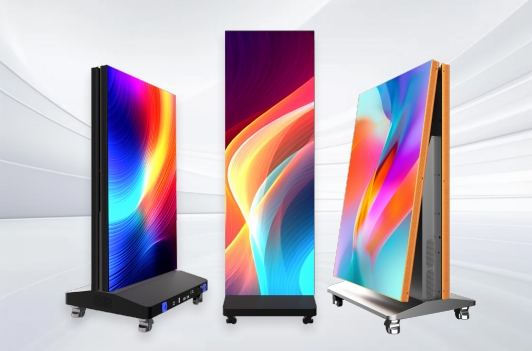
When it comes to modern stadiums, LED screens have become a staple feature. These screens enhance the viewing experience for fans, offer opportunities for advertising, and provide real-time updates and replays. But with so many options available, how do you choose the right LED screen for your stadium? This guide will walk you through the key considerations to ensure you make the best choice.
Catalogue
- What’s LED screen for stadiums
- Key Factors to Consider
- Additional Features to Consider
- Popular LED Screen Types for Stadiums
- Budget Considerations
- FAQ
- Making the Final Decision
Before diving into the specifics of selecting an LED screen for stadiums, it’s important to understand what LED screens are and how they work. LED stands for Light Emitting Diode, a technology that uses small light sources to create bright and vibrant displays. These screens are composed of many small LED units that combine to display images and videos in high resolution.
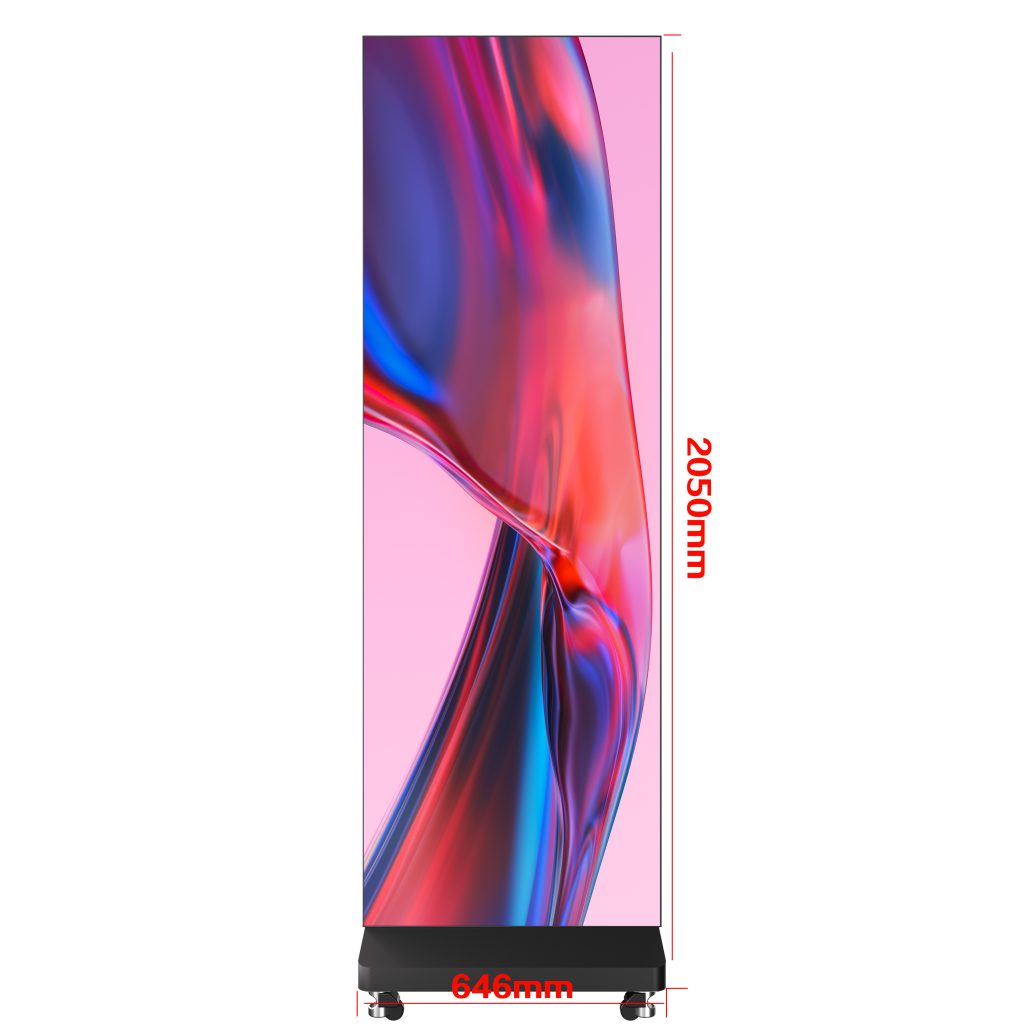
LED screens are favored for their brightness, durability, and energy efficiency, making them ideal for outdoor settings like stadiums.
Key Factors to Consider
When selecting an LED screen for a stadium, there are several key factors to consider:
Screen Size and Viewing Distance
The size of the LED screen is one of the most crucial factors. The screen needs to be large enough for spectators to view content clearly from different seating areas. Consider the size of your stadium and the distance from the screen to the farthest seating point. Larger stadiums will require bigger screens to ensure visibility for all fans.
Resolution and Pixel Pitch
Resolution refers to the clarity of the image displayed on the screen, and it’s directly related to pixel pitch. Pixel pitch is the distance between the center of two adjacent pixels. A smaller pixel pitch means more pixels are packed into the screen, resulting in a higher resolution. For stadium screens, a lower pixel pitch is typically better as it offers clearer images, especially from a distance.
Brightness and Contrast

Brightness is essential for outdoor LED screens, as they need to compete with sunlight during day games. Look for screens with high brightness levels to ensure the display is visible even in direct sunlight. Additionally, good contrast ratios will ensure that colors are vibrant and the image is sharp.
Durability and Weather Resistance
Stadium LED screens need to withstand various weather conditions, from heavy rain to intense sunlight. Ensure that the screen is weatherproof and can operate in extreme temperatures. Look for screens with a high IP rating, which indicates the level of protection against dust and water.
Energy Efficiency
Operating large LED screens can consume significant power. Opt for energy-efficient models that reduce operational costs without compromising performance. Look for screens with energy-saving features and certifications that indicate reduced power consumption.
Additional Features to Consider
Beyond the basic factors, there are additional features that can enhance the functionality of your stadium LED screen:
Content Management System (CMS)
A robust CMS allows you to control what is displayed on the screen easily. Choose a system that is user-friendly and offers flexibility in scheduling content, whether it’s live sports updates, advertising, or entertainment.
Integration Capabilities
Ensure the LED screen can integrate with your stadium’s existing systems, such as audio systems and broadcasting equipment. Seamless integration will enhance the overall experience for fans and streamline operations.
Maintenance and Support
Regular maintenance is crucial to keep your LED screen functioning optimally. Choose a provider that offers comprehensive maintenance packages and reliable support services. This will ensure quick resolutions to any technical issues and prolong the lifespan of the screen.
Popular LED Screen Types for Stadiums

There are different types of LED screens you can consider for your stadium:
Fixed LED Screens
These screens are permanently installed in the stadium. They are ideal for displaying scores, advertisements, and live feeds. Fixed LED screens are highly durable and can be customized to fit the stadium’s design.
Mobile LED Screens
Mobile LED screens offer flexibility as they can be moved and adjusted as needed. They are perfect for temporary events or when you need additional screens for specific occasions. These screens are versatile but may not offer the same level of durability as fixed screens.
Perimeter LED Screens
Used for advertising around the field, perimeter LED screens provide a platform for sponsors and brands. They are designed to be seen by both live audiences and television viewers, maximizing advertising impact.
Budget Considerations
Investing in a stadium LED screen is a significant decision that comes with various costs. While it’s important to consider your budget, don’t compromise on essential features that impact performance and longevity. It’s wise to invest in high-quality screens that offer durability and reliability, as this can save costs in the long run.
FAQ
What types of LED screens are used in stadiums?
Common types include:
- Perimeter LED displays (around the field)
- Scoreboard LED screens
- Video walls for replays and live feeds
- Ribbon LED displays
- Outdoor advertising LED screens
Are stadium LED screens suitable for outdoor use?
Yes. Stadium LED screens are designed for outdoor environments with:
- High brightness for daylight visibility
- Weather-resistant protection (rain, dust, wind)
- Stable performance under temperature changes
What brightness level is recommended for stadium LED screens?
For outdoor stadiums, a brightness level of ≥5000 nits is typically recommended to ensure clear visibility under direct sunlight. Indoor stadiums usually require lower brightness.
Can stadium LED screens display live video and replays?
Yes. Stadium LED screens support live video feeds, instant replays, slow motion playback, scoreboards, and graphics, delivering an immersive viewing experience for audiences.
How are stadium LED screens controlled?
They can be controlled via professional LED control systems and support:
- Live video input
- Synchronized playback
- Remote and centralized content management
- Integration with broadcast and scoreboard systems
Making the Final Decision
Choosing the right LED screen for your stadium requires careful consideration of various factors. Start by assessing your stadium’s specific needs and the viewing experience you want to offer fans. Evaluate the options based on screen size, resolution, brightness, and additional features that enhance functionality.
Consult with experts or providers who can offer insights and recommendations based on your unique requirements. Remember, the right LED screen can significantly enhance the stadium experience for fans, providing them with memorable moments and ensuring they stay engaged throughout the event.
In conclusion, selecting the perfect LED screen for your stadium is an investment in the fan experience, advertising opportunities, and the overall success of your venue. By considering the factors discussed, you can make an informed decision that will benefit your stadium for years to come.