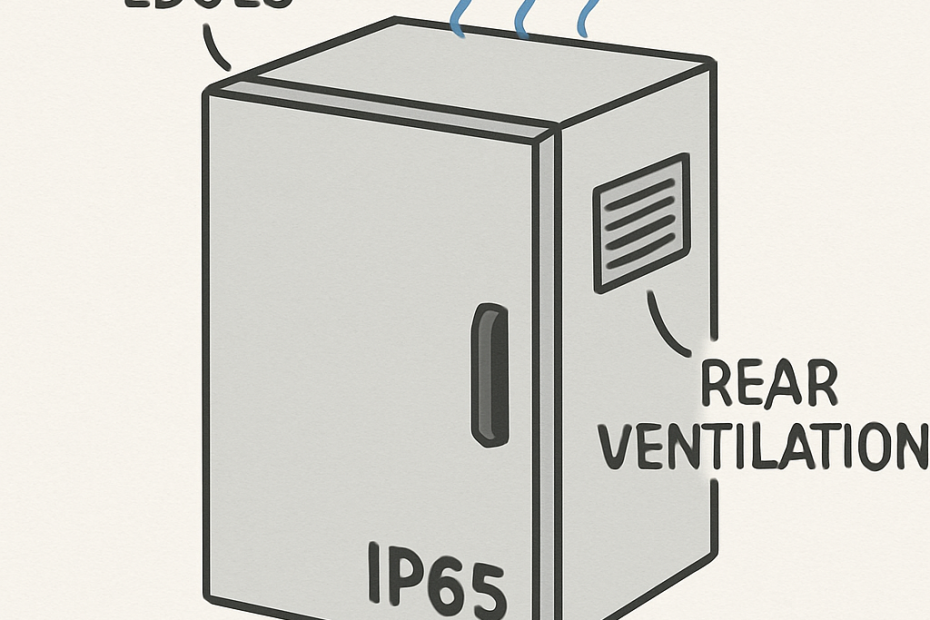
Ever wondered how stadium displays get so massive? According to experts, they aren’t giant TVs, but high-tech modular blocks built around an LED screen cabinet. This protective housing forms the core modular unit.
In practice, knowing how to assemble modular video wall panels reveals their genius. They lock perfectly, ensuring seamless bezel-free display alignment across any cabinet LED display. If a part breaks, you simply swap one tile, making repairs faster and cheaper.
Magnesium vs. Aluminum: Choosing the Best Frame for Fast Setup
Building massive displays requires safely hanging cabinets overhead, a process called structural rigging for large scale video walls. To keep these frames perfectly shaped, manufacturers use die-casting—pouring liquid metal into exact molds. When comparing a die-cast aluminum vs magnesium alloy housing, consider these trade-offs:
- Weight: Magnesium is significantly lighter.
- Strength: Both are highly durable, but magnesium absorbs transport bumps better.
- Price: Aluminum fits tighter budgets, whereas lightweight magnesium alloy frame benefits offset higher upfront costs via cheaper shipping.
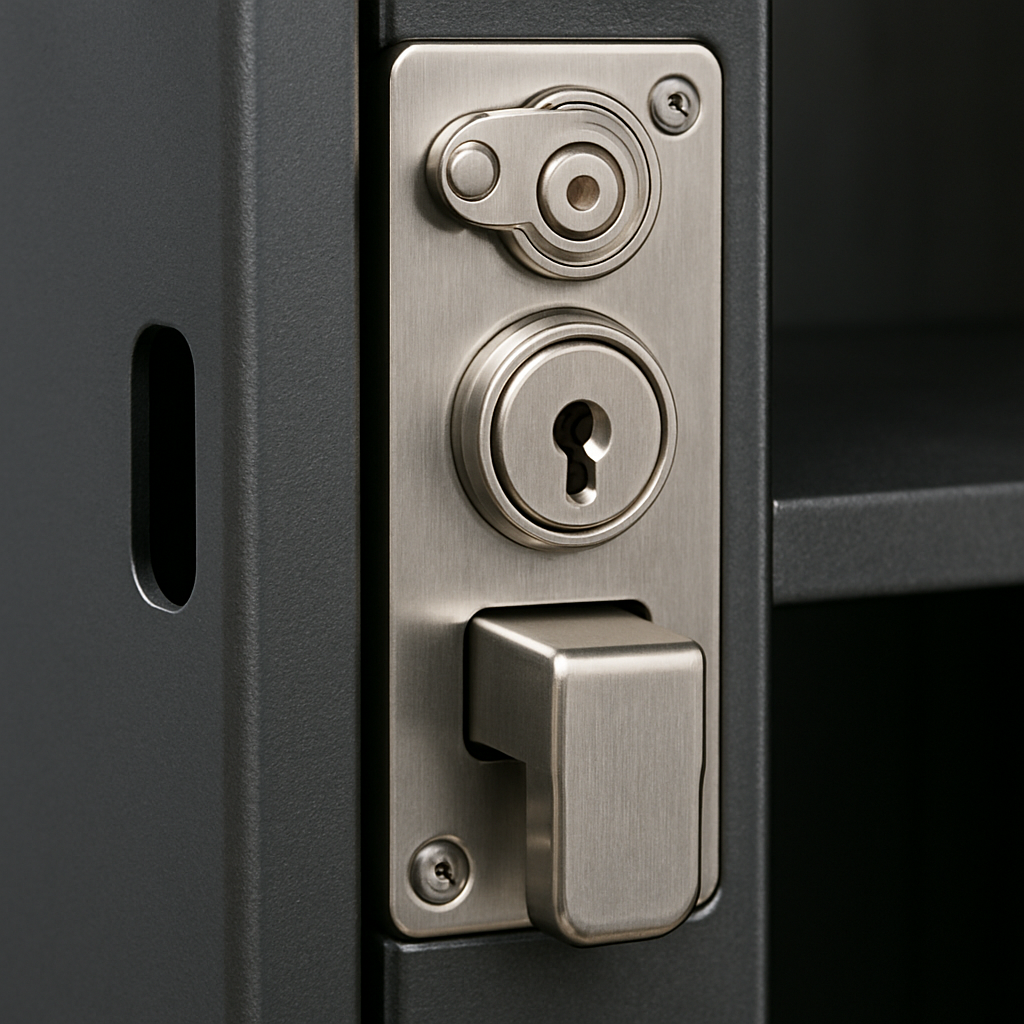
Snapping these building blocks together flawlessly requires more than sturdy metal. A high precision locking mechanism for fast installation clicks the panels tight, ensuring the picture looks like a seamless sheet of glass. Because quicker assembly means paying for fewer labor hours, quality hardware heavily reduces the total cost of ownership for rental displays.
From Waterproofing to Pixel Pitch: Matching Specs to Your Space
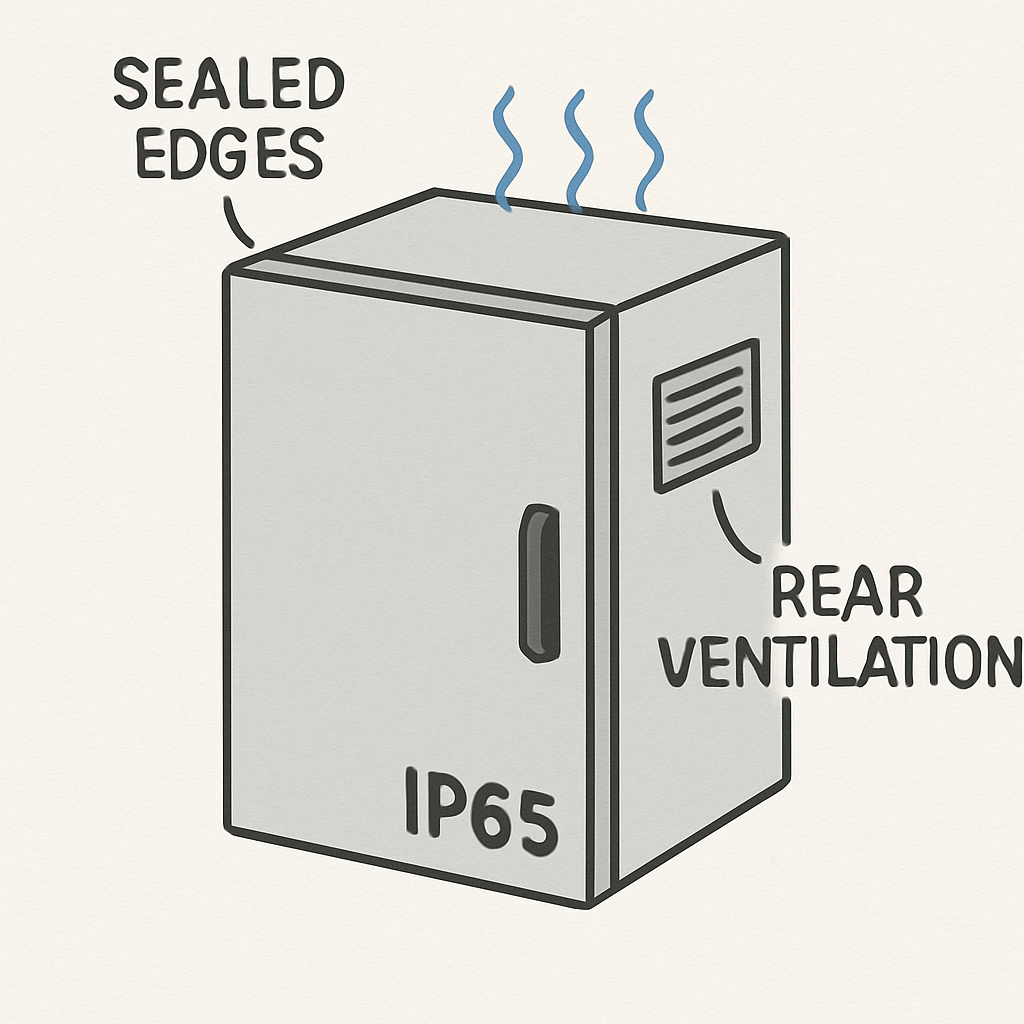
Taking your display outside means battling the elements. An IP65-rated outdoor waterproof housing seals electronics against rain, acting like a heavy-duty raincoat for your screen. However, tightly sealing a cabinet traps heat. Managing thermal dissipation in digital signage is crucial because overheating quickly ruins the internal power supply. Quality cabinets use clever rear ventilation to let heat escape while keeping moisture out entirely.
Once your hardware is protected, visual clarity becomes your main priority. The physical distance between the screen’s tiny lights is called pixel pitch. When deciding what is the best pixel pitch for indoor events versus outdoor billboards, you must match the pitch to where people stand. Whether you are using standard SMD LED technology vs COB packaging, follow these baseline guidelines to avoid overspending:
- Close viewing (5ft away): 1.5mm to 2.5mm pitch
- Medium viewing (20ft away): 3mm to 5mm pitch
- Distant viewing (50ft+ away): 8mm to 10mm pitch
Long-Term Success: Maintenance and Calibration Essentials
Treat upkeep proactively during the design phase. Choosing front access maintenance vs rear service dictates your configuration, though front-access wins for wall-mounts. Always request an integrated power supply and receiving card housing, preventing signal interference in daisy-chained panels. Before launching, calibrate brightness across multiple display modules to ensure your screen remains a seamless, uniform image.