In the rapidly evolving world of retail, staying ahead of the competition requires innovation and adaptation. For small retailers, this often means finding cost-effective ways to enhance customer experiences and increase sales. This case study explores how a small retailer successfully boosted sales by 38% using smart screens, demonstrating the power of technology in transforming retail spaces.
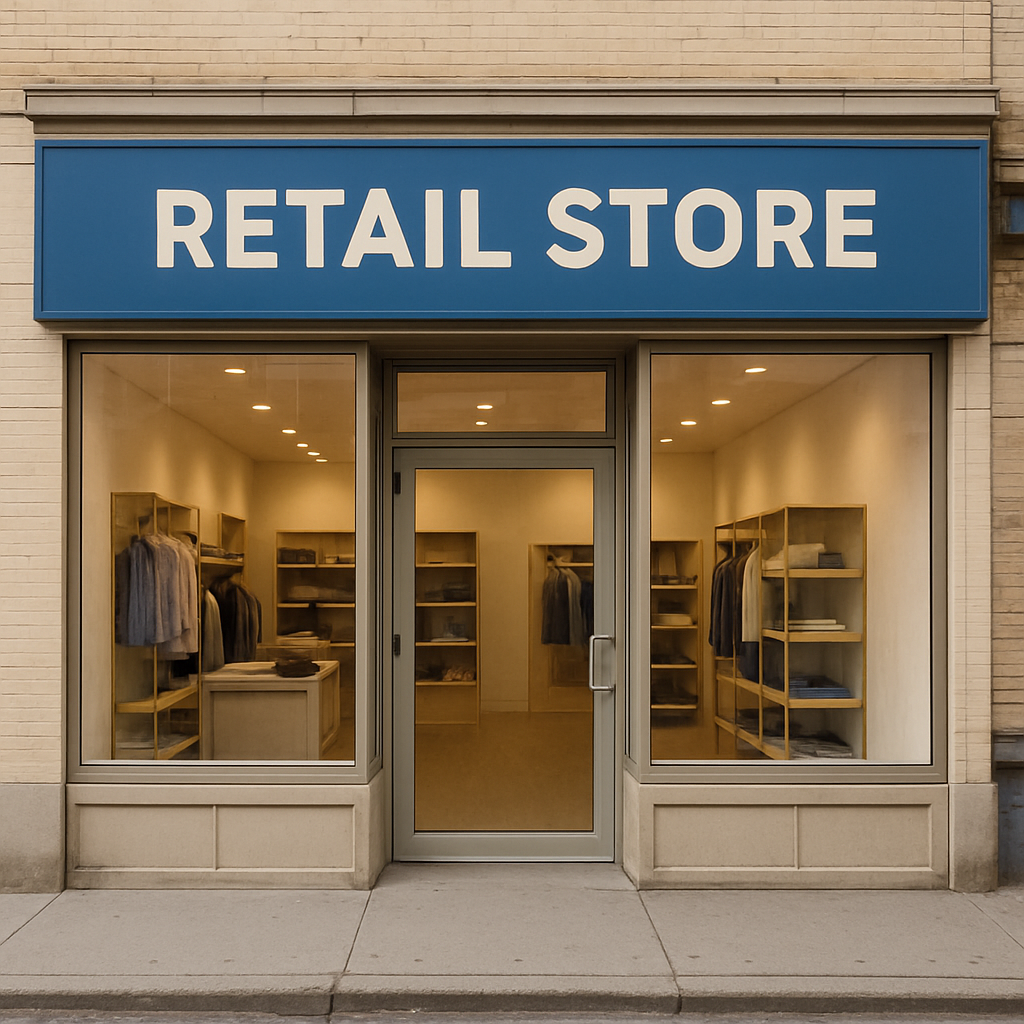
Like many small retailers, our subject—a family-owned boutique specializing in handcrafted goods—faced the challenge of stagnant sales. Despite having a loyal customer base, they struggled to attract new customers and increase the average transaction value. With limited marketing budgets, traditional advertising methods were not feasible, prompting the need for an innovative solution.
Identifying the Pain Points
The retailer identified several key pain points:
- Low foot traffic during off-peak hours.
- Difficulty in communicating promotions and product information effectively.
- Limited staff to assist customers during busy periods.
- Challenges in creating a dynamic shopping experience that encourages repeat visits.
The Solution: Implementing Smart Screens
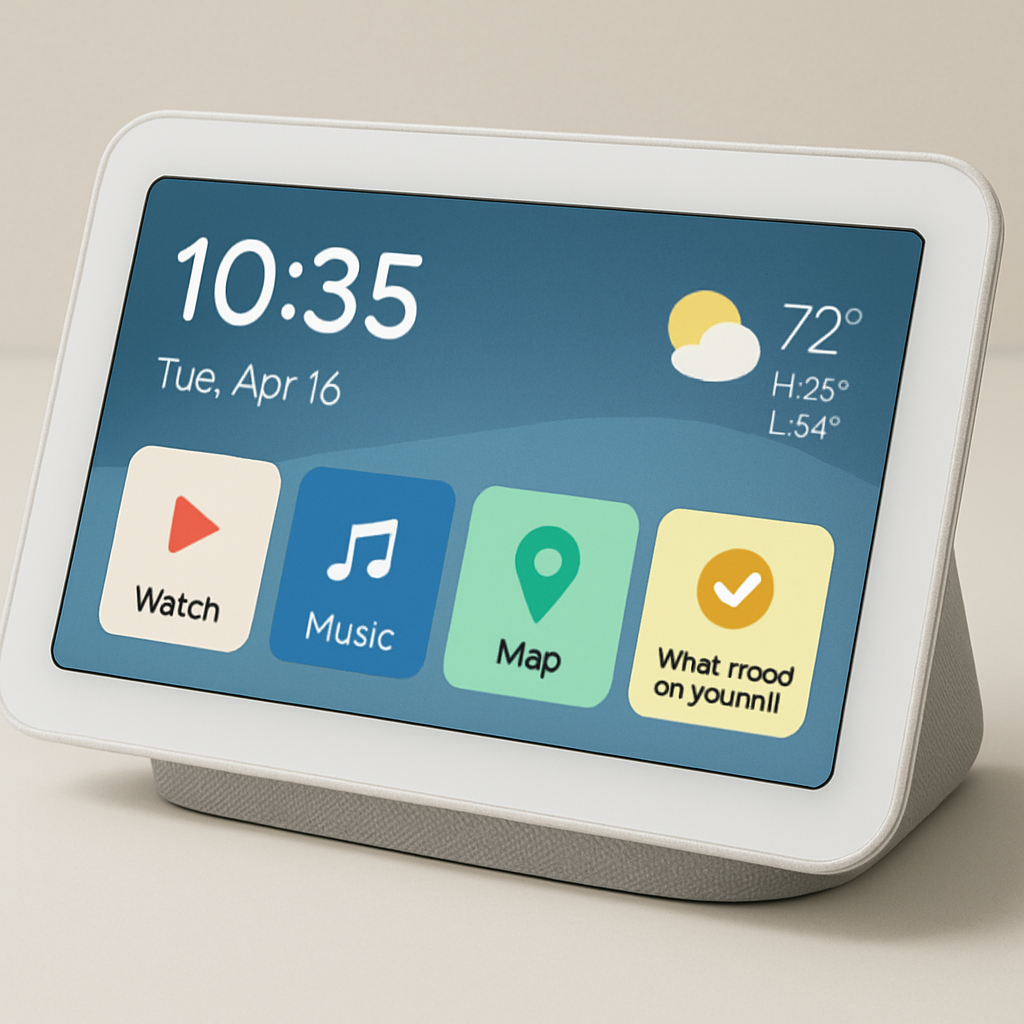
After researching various options, the retailer decided to implement smart screens throughout their store. These digital displays offered a versatile and engaging platform to capture customer attention and communicate vital information.
Why Smart Screens?
Smart screens provided several advantages over traditional static displays:
- Dynamic Content: The ability to display videos, slideshows, and interactive content allowed the retailer to showcase products in a more engaging manner.
- Real-Time Updates: Promotions and product information could be updated instantly, ensuring customers always had access to the latest offers.
- Customer Engagement: Interactive features encouraged customers to explore more products and learn about the brand’s story.
- Cost-Effective: Compared to other advertising methods, smart screens offered a high return on investment, especially when considering the increase in sales.
Implementation Strategy: Integrating Smart Screens
To maximize the impact of the smart screens, the retailer developed a strategic implementation plan. This involved:
Selecting Strategic Locations
The retailer strategically placed smart screens in high-traffic areas of the store to ensure maximum visibility. These locations included entrances, checkout areas, and near product displays where customers were likely to pause and engage with the content.
Creating Compelling Content
Content creation was key to the success of the smart screens. The retailer focused on:
- Product Demonstrations: Videos showcasing how to use products or highlighting unique features.
- Customer Testimonials: Stories and reviews from satisfied customers to build trust and credibility.
- Promotional Offers: Eye-catching graphics and videos to inform customers of current discounts and deals.
- Brand Storytelling: Sharing the history and values of the brand to create a personal connection with customers.
Training Staff
To ensure a seamless integration, the retailer trained their staff on how to use and update the smart screens. This included technical training on the software and best practices for content creation and scheduling.
The Results: A Significant Sales Boost

After implementing the smart screens, the retailer observed remarkable results:
Increased Foot Traffic
The dynamic displays caught the attention of passersby, drawing more people into the store. This increase in foot traffic was particularly noticeable during off-peak hours, helping to level out the sales fluctuations typical of a small retail operation.
Enhanced Customer Experience
Customers appreciated the engaging and informative content. The smart screens provided them with valuable information and entertainment as they shopped, creating a memorable experience that encouraged them to return.
Higher Average Transaction Value
With the smart screens highlighting promotions and product features, customers were more likely to purchase additional items. The ability to display cross-selling opportunities in real time contributed to a higher average transaction value.
Improved Brand Perception
The use of technology positioned the retailer as modern and customer-focused. This improvement in brand perception not only attracted new customers but also strengthened loyalty among existing ones.
Lessons Learned: Best Practices for Using Smart Screens
The success of this initiative provided valuable insights into best practices for using smart screens in retail:
Prioritize Content Quality
The effectiveness of smart screens hinges on the quality of the content displayed. Investing in high-quality visuals and well-crafted messages is essential for capturing customer interest.
Keep Content Fresh and Relevant
Regular updates to the content keep customers engaged and informed about new products and promotions. A content calendar can help in planning and scheduling updates effectively.
Use Data-Driven Insights
Analyzing customer interactions with smart screens can provide insights into preferences and behaviors. This data can guide future content strategies and promotional efforts.
Foster a Tech-Savvy Culture
Encouraging staff to embrace technology and contribute ideas for content can lead to more innovative uses of smart screens. It also ensures that the technology becomes a seamless part of the customer experience.
Conclusion: The Future of Retail Innovation
This case study illustrates the transformative potential of smart screens for small retailers. By embracing technology and focusing on customer engagement, the retailer not only boosted sales by 38% but also enhanced the overall shopping experience. As the retail landscape continues to evolve, integrating smart solutions like these will be crucial for staying competitive and meeting the ever-changing needs of customers.
For small retailers looking to replicate this success, the key lies in understanding the unique challenges and opportunities of their business and leveraging technology to create meaningful connections with customers. As demonstrated, smart screens offer a powerful tool for achieving these goals, paving the way for a brighter future in retail.