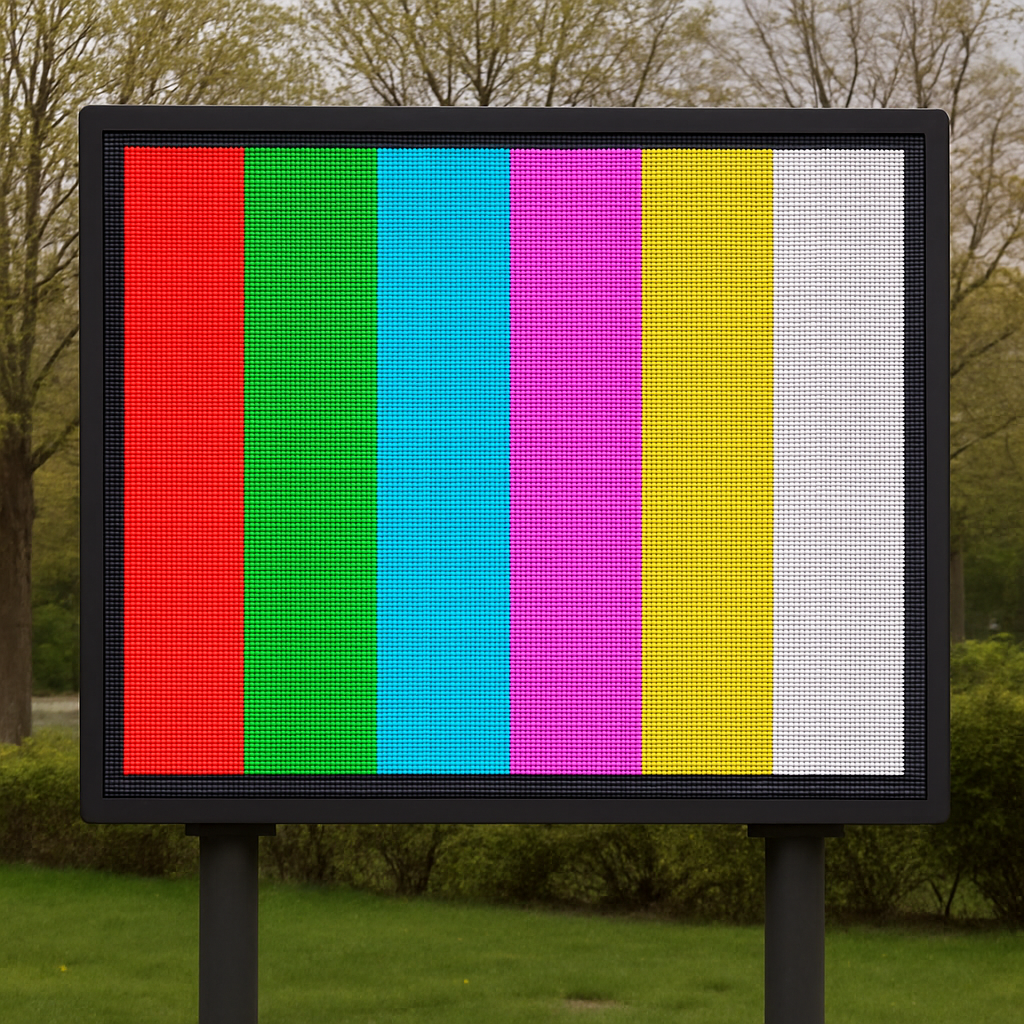
When it comes to digital signage, LED displays are a popular choice for both indoor and outdoor settings. But what happens when you have an indoor LED display and want to use it outside temporarily? Is it possible, and if so, what should you consider? Let’s explore the potential of using indoor LED displays outdoors and discuss the factors you need to keep in mind to ensure success.
Understanding Indoor vs. Outdoor LED Displays
Before diving into the possibility of using indoor LED displays outside, it’s important to understand the differences between indoor and outdoor LED displays.
Indoor LED Displays
Indoor LED displays are designed for environments that are protected from the elements. They typically have a lower brightness level compared to their outdoor counterparts because indoor environments are less affected by sunlight and other harsh lighting conditions. Additionally, indoor LEDs are not built to withstand weather conditions like rain, wind, or extreme temperatures.
Outdoor LED Displays
Outdoor LED displays, on the other hand, are specifically designed to handle the rigors of outdoor environments. They are brighter to ensure visibility in direct sunlight and have protective casings that shield them from rain, wind, and dust. Outdoor LEDs are also built to operate efficiently in varying temperatures.
Can Indoor LED Displays Be Used Outdoors?
The short answer is yes, but with significant precautions. Using indoor LED displays outdoors temporarily is feasible, but there are several critical factors to consider.
1. Weatherproofing
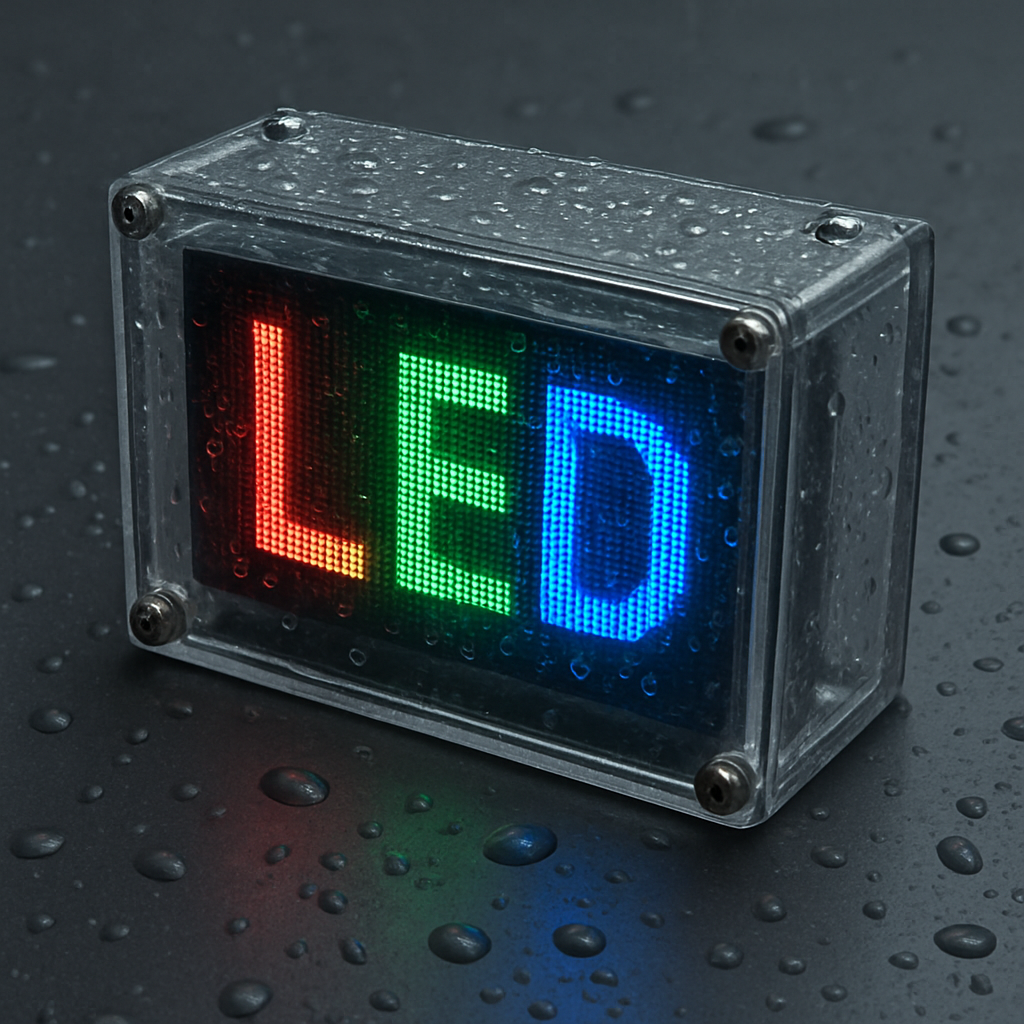
The biggest challenge of using an indoor LED display outdoors is its lack of weatherproofing. Indoor displays lack the protective casings that outdoor displays have, making them vulnerable to moisture, dust, and other environmental factors. If you plan to use an indoor LED display outside, you’ll need to provide some form of temporary weather protection. This could be a custom-built enclosure or a rented weatherproof housing.
2. Brightness
Another crucial factor is brightness. Indoor displays are not as bright as outdoor ones, which can make them hard to see in daylight. If you must use an indoor display outdoors, consider placing it in a shaded area or using it during times when sunlight is not as intense. This will help improve visibility.
3. Power and Connectivity
Ensure that your power source is compatible with outdoor settings. You may need extension cords or portable power sources to make this work. Additionally, consider how you will connect the display to your content source. Wireless connections might be more practical, but ensure that the signal is strong enough to maintain a stable connection outdoors.
4. Duration
Consider how long you plan to use the indoor LED display outdoors. If it’s only for a few hours or a day, temporary solutions may suffice. However, if the display will be outdoors for an extended period, investing in proper outdoor equipment might be more economical and efficient in the long run.
Best Practices for Using Indoor LED Displays Outdoors
If you decide to use an indoor LED display outdoors temporarily, here are some best practices to follow:
Use Protective Housing
Invest in a temporary protective housing or enclosure that can shield the display from weather conditions. These can often be rented or custom-made to fit your display.
Optimize Placement
Place the display in a locati0n that minimizes exposure to direct sunlight, rain, and wind. Shaded areas or covered spaces like tents can help protect the display and improve visibility.
Schedule Usage
Plan the usage of the display during times when environmental conditions are less challenging, such as during the evening or on overcast days. This can reduce the strain on the display and improve audience engagement.
Monitor Conditions
Keep a close eye on weather forecasts and be prepared to move or cover the display if adverse conditions arise suddenly.
Test Beforehand
Before the actual event or usage, perform a test run of the setup to identify any potential issues with power, connectivity, or visibility. This will allow you to make necessary adjustments ahead of time.
Alternatives to Using Indoor Displays Outdoors

If the idea of using an indoor LED display outdoors seems too complicated or risky, consider these alternatives:
Rent Outdoor Displays
Renting outdoor LED displays can be a cost-effective solution for temporary needs. Rental companies can provide displays that are specifically designed for outdoor use, along with the necessary setup and support.
Use Portable Digital Signage
Portable digital signage solutions are available that are designed for temporary outdoor use. These units are often weatherproof and come with built-in power sources, making them easy to set up and use.
Consider Projection
In some cases, using a projector might be a feasible alternative. While projectors have their own limitations, such as visibility in bright light, they can be a viable option for certain temporary outdoor applications.
Conclusion
While it is possible to use indoor LED displays outdoors temporarily, it requires careful planning and consideration of several factors including weatherproofing, brightness, power, and connectivity. By following best practices and considering alternative solutions, you can effectively achieve your outdoor digital signage goals without compromising your equipment or message visibility. Always weigh the pros and cons and choose the solution that best fits your needs and circumstances.