
In many small monitoring rooms, users often opt for TVs as monitoring displays due to cost considerations. For example, in guardhouses, shopping malls, schools, and businesses, there may be only a limited number of monitors available, often just a handful. To reduce expenses, some facilities choose to connect monitoring signals directly to a TV or a regular computer monitor. But is this the best solution?
We recommend against using TVs or consumer monitors for professional surveillance purposes for several key reasons:
1. Panel Durability Issues
Consumer-grade TVs and monitors are not designed for continuous operation in demanding environments like monitoring rooms. LCD panels in these devices are vulnerable to long-term use. Prolonged operation can lead to burn-in, where static images permanently damage the screen. The screen itself is the most vital and expensive component, and replacing it can cost nearly as much as purchasing a new TV or monitor. Even if burn-in doesn’t occur, the power board, which supports continuous operation, is also at risk. These power boards are expensive to replace, typically costing around $80 or more. In contrast, monitoring displays are built for 24/7 use and are designed with industrial-grade panels and components that can handle constant power-on times, making them more suitable for monitoring rooms.
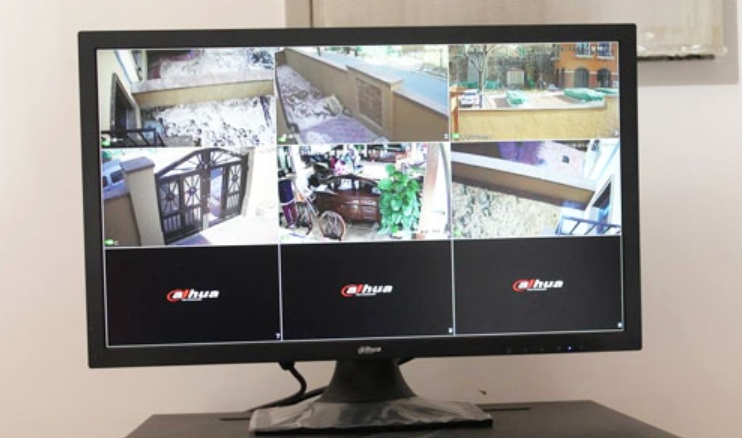
2. Limited Splicing Functionality
TVs and regular monitors lack the ability to tile or splice multiple screens together, a crucial feature for monitoring large numbers of video feeds. For example, a 55-inch TV may display up to 9 video feeds, but adding more screens would make the images too small, reducing their clarity. If you need to display dozens of video feeds at once, you’ll need multiple TVs, and since these devices cannot be spliced, there’s no seamless connection between them. This can create a fragmented viewing experience, which is inefficient for a surveillance system that requires continuous, real-time monitoring.
What Are Professional Monitoring Display Screens?
Professional monitoring screens are specifically designed for high-performance and industrial use, offering features that consumer TVs and monitors cannot match. The three main types of professional monitoring displays are:
- DLP Splicing Screens Digital Light Processing (DLP) splicing screens are top-tier professional monitoring displays. They offer minimal splicing seams and excellent display quality, making them ideal for large-scale command centers or other critical monitoring environments. However, DLP systems tend to be expensive and large, so they are not typically used in smaller monitoring rooms where cost-effectiveness is important.
- LCD Splicing Screens LCD splicing screens are a more affordable and practical choice for many monitoring rooms. Unlike consumer-grade LCD TVs, these screens feature industrial-grade panels and the ability to splice multiple screens together. This makes them ideal for continuous, 24/7 operation, and they can handle numerous video feeds, whether for simultaneous display or sequential patrol mode. Moreover, LCD splicing screens are often competitively priced, offering good cost-effectiveness for those with mid-range needs. For example, a 55-inch LCD splicing screen with a 3.5mm bezel can be a solid choice for most surveillance applications.
- Industrial LCD Monitors Industrial LCD monitors are similar to TVs in many ways but differ in one key aspect: the panel is industrial-grade. This means they can handle continuous operation and are more reliable than consumer-grade displays. However, these monitors do not have the splicing functionality required for larger setups. As a result, they are best suited for smaller monitoring rooms with fewer video feeds—typically those with around 10 channels or fewer.
Conclusion: Why Not Use a TV for Surveillance?
While using a TV or regular monitor as a surveillance display may seem like an easy and cost-effective solution, it’s not the best choice for professional or continuous use. The risk of panel damage from prolonged operation and the lack of splicing functionality can create more problems than they solve. TVs are fine for casual viewing, but they are not built for the demands of a 24/7 surveillance environment.
If you have a relatively small number of video feeds, an industrial-grade monitor might suffice. However, for more extensive systems with dozens of channels, it’s best to invest in a professional LCD splicing screen. These screens are designed to handle the rigors of continuous monitoring and allow for a seamless, efficient display of multiple video feeds, ensuring better reliability and performance in the long term.