
In the rapidly evolving landscape of education, technology plays an increasingly pivotal role. Among the myriad of technological advancements, big touch screens are making a significant impact. These large touch displays, ranging from giant touch screen computers to large touchscreen monitors, are transforming traditional classrooms into interactive, engaging learning environments. This article explores the advantages of integrating large touch screens into education, and how they enhance the learning experience for both students and educators.
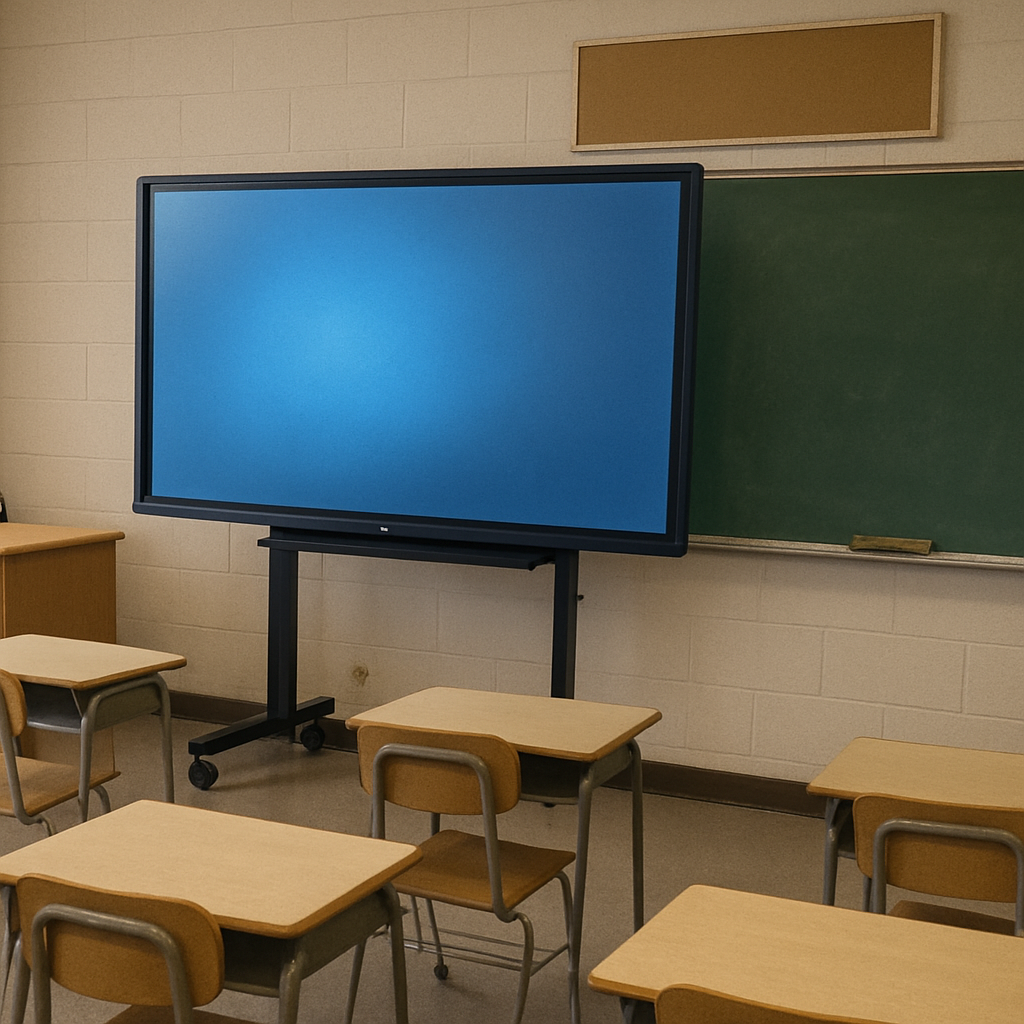
Big touch screens in classrooms foster increased engagement and interaction. These giant touch screen monitors enable students to interact with content directly, creating a dynamic learning environment. Instead of passively listening to lectures, students can engage with interactive lessons and multimedia content.
The tactile nature of large touch panels encourages students to participate actively, which enhances their learning experience. This hands-on approach caters to various learning styles, making education more inclusive. For example, visual learners can benefit from vivid displays, while kinesthetic learners can engage through touch.
Facilitating Collaborative Learning

Collaboration is a critical skill in today’s world, and large touchscreen displays facilitate this in educational settings. Giant touch screens allow multiple students to interact simultaneously, promoting teamwork and cooperation. This fosters a collaborative environment where students can work together on projects, solve problems collectively, and share ideas seamlessly.
Moreover, these large touch display monitors often come equipped with software that supports collaborative learning activities. Teachers can create interactive lessons where students contribute to a common goal, enhancing their communication and problem-solving skills.
Versatility in Teaching Methods
One of the significant advantages of big touch screen computers is their versatility. Educators can incorporate various teaching methods, from traditional lectures to interactive sessions. The ability to display videos, animations, and simulations on a massive touch screen makes lessons more engaging and informative.
For instance, science teachers can demonstrate complex biological processes or chemical reactions using animations on a large touchscreen TV. History lessons come alive with interactive maps and timelines displayed on the biggest touch screen monitors. This versatility allows educators to cater to different learning preferences and adapt their teaching strategies accordingly.
Improved Accessibility and Inclusivity
Incorporating large touch screens in education also enhances accessibility and inclusivity. These devices can be adjusted to accommodate students with different needs. For example, text size can be increased for visually impaired students, and audio features can assist those with hearing challenges.
Additionally, the intuitive nature of touch screens makes them accessible to younger students who may struggle with traditional computer interfaces. This inclusivity ensures that all students have the opportunity to participate actively in their education, regardless of their abilities.
Streamlined Lesson Planning and Delivery

Large touchscreen monitors streamline lesson planning and delivery. Educators can create and organize lessons digitally, reducing the need for physical materials. This not only saves time but also allows for easy customization and updates.
Furthermore, teachers can use giant touch screen computers to deliver lessons more efficiently. With the ability to switch between different media formats, educators can present information clearly and effectively. This streamlined approach makes teaching more efficient and allows educators to focus on student engagement.
Encouraging Critical Thinking and Problem Solving
Big touch screens in classrooms encourage critical thinking and problem-solving skills. Interactive lessons require students to analyze information, make decisions, and solve problems in real-time. This active participation enhances their cognitive abilities and prepares them for real-world challenges.
For example, math teachers can use large touchscreen displays to present complex problems that students must solve collaboratively. This approach not only reinforces mathematical concepts but also develops critical thinking skills essential for future success.
Sustainability and Cost-Effectiveness
While the initial investment in large touch screen displays may seem significant, they offer long-term cost-effectiveness and sustainability. By reducing the need for paper-based materials, schools can lower their environmental impact and reduce ongoing costs.
Moreover, the durability and longevity of these devices mean that they require less frequent replacement compared to traditional educational tools. This makes them a sustainable choice for schools looking to invest in technology that supports their educational goals.
Preparing Students for the Future
Incorporating massive touch screens in education prepares students for the future workplace. As technology continues to advance, familiarity with digital tools becomes increasingly important. By interacting with large touch displays, students develop digital literacy skills essential for success in modern careers.
The experience gained from using big touchscreen monitors provides students with a competitive edge in the job market. It equips them with the skills needed to adapt to technological advancements and thrive in a digital world.
Conclusion
In conclusion, big touch screens offer numerous advantages in education. From enhancing engagement and collaboration to improving accessibility and sustainability, these large touch display monitors are transforming the educational landscape. By integrating giant touch screen computers into classrooms, educators can create interactive, inclusive, and effective learning environments that prepare students for future success. As technology continues to evolve, the role of large touchscreen displays in education will undoubtedly expand, offering even more opportunities for innovation and growth.